
Many families and healthcare buyers wonder whether ordinary beds are safe enough for elderly people living alone. Without proper support, seniors face greater risks of falls, poor sleep quality, mobility difficulties, and delayed emergency care. Choosing the right medical bed can improve comfort, enhance safety, support independent living, and provide better long-term home care solutions for elderly patients.
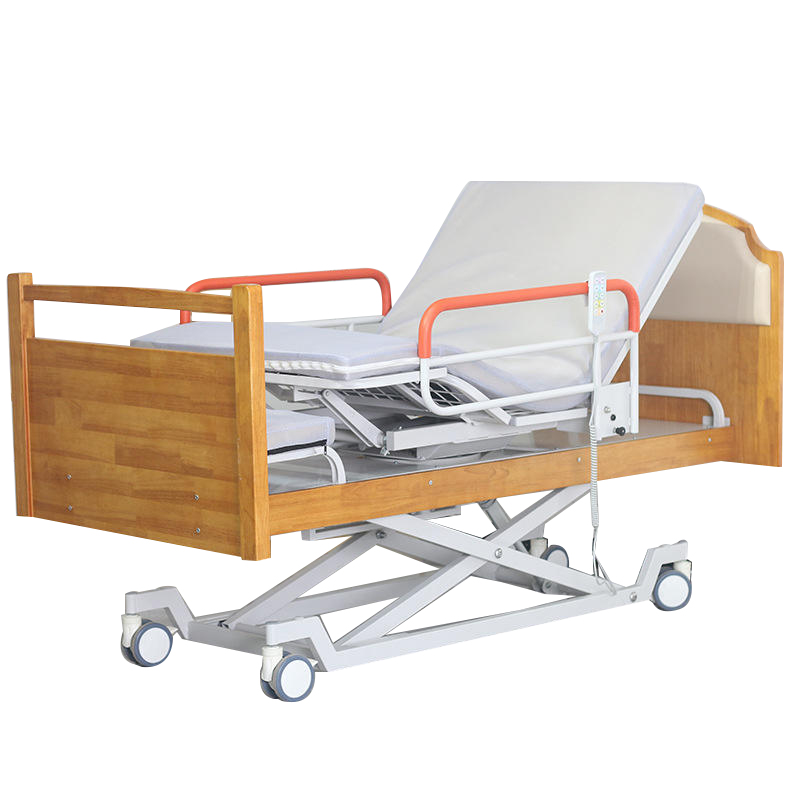
Medical beds for elderly patients living alone are specially designed to improve safety, comfort, mobility, and independence at home. Features such as adjustable height, side rails, pressure relief support, remote-controlled positioning, and low-height designs help reduce fall risks and simplify daily care. Home care medical beds are widely used in elderly care, rehabilitation, and long-term home healthcare environments worldwide.
The right medical bed can significantly improve elderly safety, comfort, and quality of life at home.
People Also Ask: Why Are Medical Beds Important for Elderly Patients Living Alone?
As populations continue aging worldwide, more seniors are choosing to remain in their own homes instead of moving into nursing facilities. While independent living offers emotional comfort and personal freedom, it also creates challenges related to mobility, safety, and healthcare management. Elderly individuals living alone may struggle with getting in and out of bed, changing sleeping positions, or responding quickly during emergencies.
Traditional household beds are not designed to support seniors with limited mobility, chronic illness, rehabilitation needs, or long-term care requirements. This is where medical beds become essential. Home care medical beds are specifically developed to improve patient comfort while reducing physical strain for both elderly users and caregivers.
Modern medical beds combine ergonomic design, safety functions, and intelligent adjustment systems to create safer home environments. For hospitals, rehabilitation centers, distributors, and medical equipment buyers, demand for elderly home care beds continues growing rapidly across global healthcare markets.
What Features Should Medical Beds for Seniors Living Alone Have?
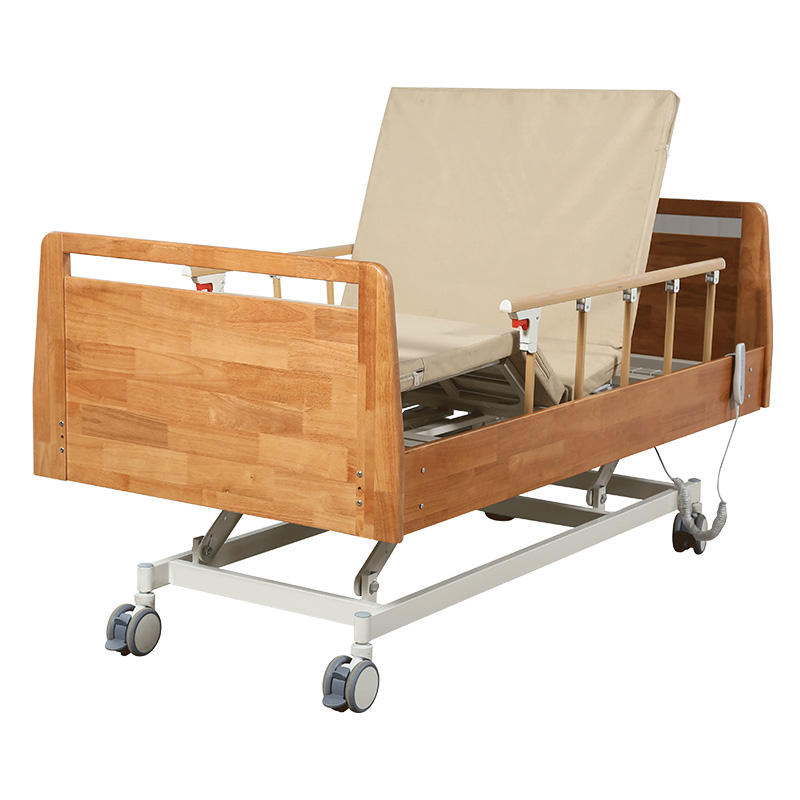
The best medical beds for elderly patients living alone should combine safety, convenience, durability, and ease of operation. Different elderly users may require different support levels, but several core features are considered highly important in most home care environments.
Adjustable Height Function
Adjustable height is one of the most valuable features in elderly medical beds. Seniors with weak legs or balance difficulties often struggle to safely enter or exit standard beds. Low-height adjustment allows users to place their feet firmly on the ground, reducing fall risks during transfers.
Higher bed positions also assist caregivers when helping with cleaning, repositioning, or rehabilitation exercises. Electric height adjustment improves convenience and allows elderly users to control the bed independently through handheld remotes.
Adjustable Backrest and Leg Support
Backrest and leg elevation functions help improve comfort and circulation. Elderly patients can sit upright for eating, reading, watching television, or communicating with family members without excessive physical effort.
Leg adjustment may help reduce swelling and improve blood flow for seniors with circulatory issues or mobility limitations. Multi-position adjustment also reduces pressure on joints and muscles during extended bed rest.
Barrières de sécurité latérales
Side rails help prevent accidental falls, especially during nighttime movement or sudden repositioning. Foldable aluminum alloy or ABS side rails are commonly used in modern home care beds.
Besides physical protection, side rails also provide psychological reassurance for elderly individuals living alone. Many seniors feel more secure when sleeping or moving inside the bed.
Emergency Positioning Functions
Advanced medical beds may include emergency flattening systems, CPR positioning, or quick adjustment controls. These functions can help caregivers or emergency responders quickly provide assistance during urgent situations.
Although not every elderly patient requires these features, they are especially valuable for long-term care patients or individuals with chronic medical conditions.
Pressure Relief Mattress Compatibility
Elderly patients with limited mobility are at higher risk of developing pressure ulcers. Medical beds designed for pressure relief mattresses help distribute body weight more evenly and reduce long-term pressure on sensitive areas.
Many healthcare providers combine electric nursing beds with anti-decubitus mattresses to improve patient comfort and reduce skin-related complications.
How Do Medical Beds Improve Elderly Safety at Home?
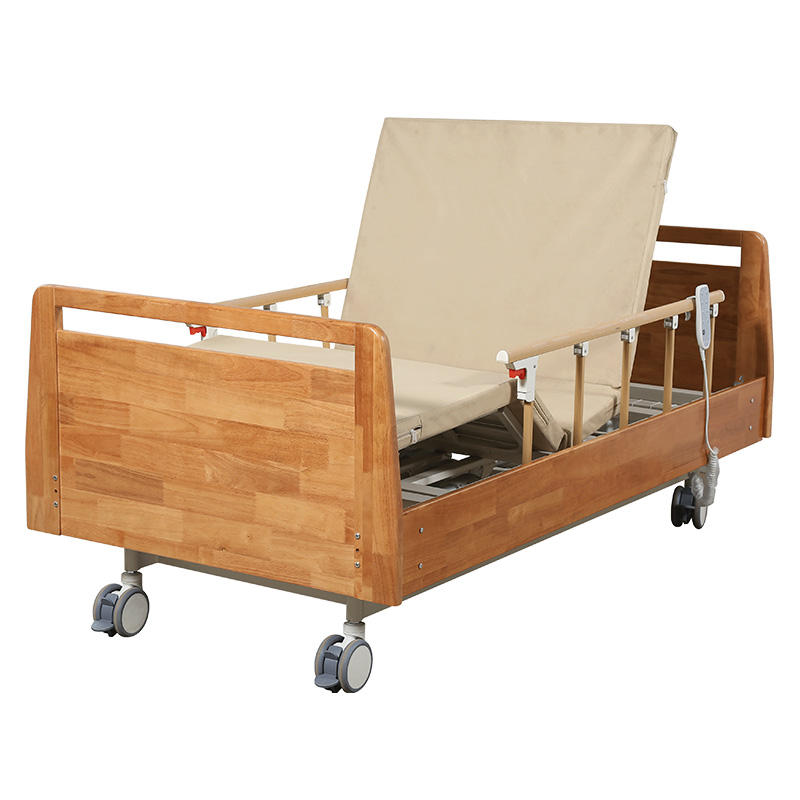
Home safety remains one of the biggest concerns for elderly individuals living independently. Falls inside bedrooms are among the most common causes of injury for seniors worldwide. Medical beds are specifically designed to reduce these risks and create safer living conditions.
Reduced Fall Risks
Low-height home care beds significantly reduce injuries caused by falls. Adjustable height systems allow seniors to safely transfer between the bed, wheelchair, walker, or bedside commode.
Side rails provide additional support and reduce the chance of accidental nighttime falls. Some beds also include braking systems for greater stability.
Easier Position Changes
Electric adjustment systems reduce the physical effort required to reposition the body. Elderly patients can independently raise the backrest or adjust leg elevation using simple remote controls.
This independence improves self-confidence and reduces reliance on family members or caregivers.
Better Nighttime Safety
Many elderly individuals experience nighttime discomfort, dizziness, or mobility difficulties. Medical beds make it easier for seniors to sit upright gradually before standing, reducing balance-related accidents.
Beds with integrated lighting systems or control panels may further improve nighttime safety.
Support for Emergency Care
In emergencies, caregivers or medical professionals can quickly adjust medical beds into safer positions for treatment or patient transfer. Efficient positioning functions improve care response speed and patient handling efficiency.
Which Types of Medical Beds Are Best for Elderly Home Care?
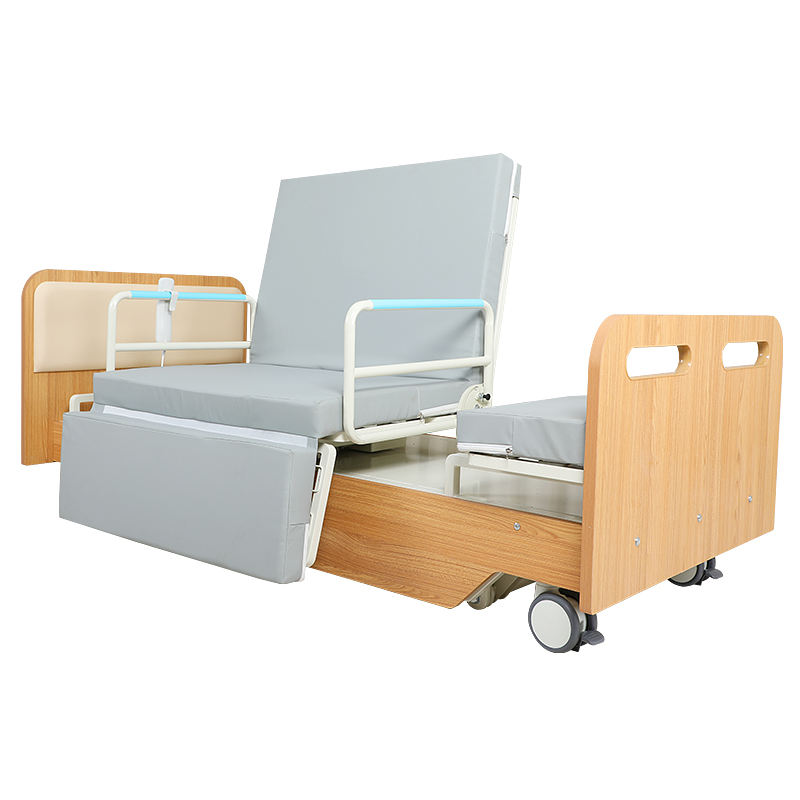
Different elderly patients require different bed solutions depending on their health conditions, mobility levels, and care environments.
Manual Home Care Beds
Manual nursing beds are cost-effective and suitable for basic home care environments. These beds usually use crank systems to adjust the backrest and leg sections.
They are popular in price-sensitive healthcare markets and short-term rehabilitation applications.
Electric Home Care Beds
Electric medical beds provide greater comfort and convenience. Users can easily control multiple adjustment functions without physical strain.
These beds are highly suitable for elderly patients with long-term mobility limitations or chronic health conditions.
Low Height Medical Beds
Ultra-low medical beds are designed to reduce injury risks from falls. Their lower sleeping surface makes entering and exiting the bed safer for elderly users.
These beds are widely used in nursing homes, rehabilitation centers, and advanced home healthcare environments.
Multifunction Nursing Beds
High-end multifunction beds may include Trendelenburg positioning, lateral turning systems, weighing functions, intelligent monitoring technology, or rehabilitation assistance.
Such beds are commonly used in professional healthcare environments or advanced elderly care facilities.
How Does Medical Bed Design Affect Elderly Comfort?
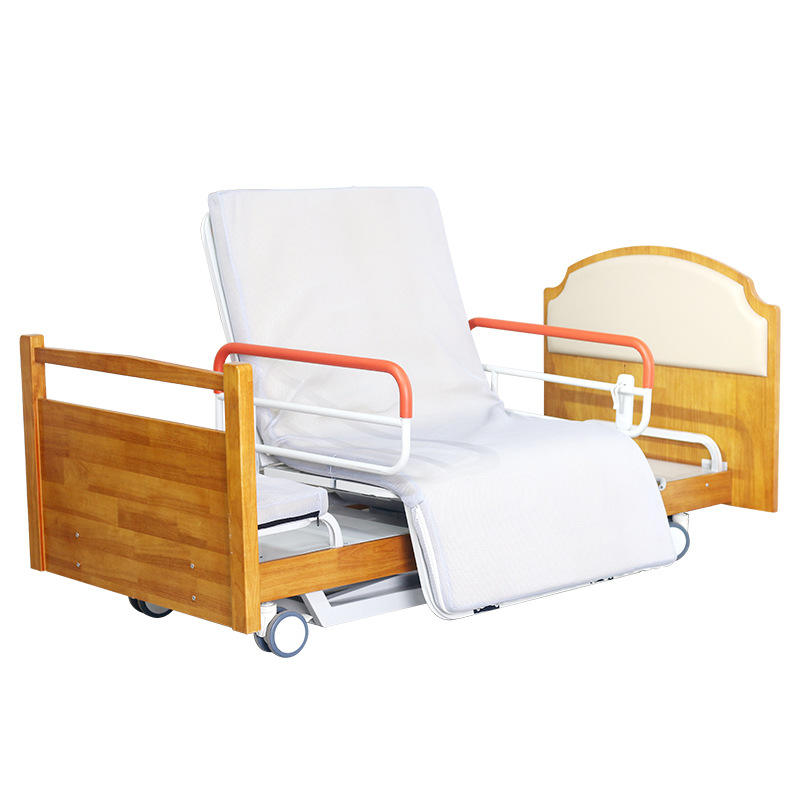
Comfort plays an essential role in elderly health, emotional well-being, and recovery. Poor sleeping conditions can negatively affect circulation, sleep quality, and mental health.
Modern medical bed manufacturers increasingly focus on ergonomic and residential-style designs that improve both functionality and appearance.
Ergonomic Mattress Platforms
High-quality mattress platforms distribute body pressure evenly while improving airflow. Perforated steel platforms and flexible support systems help reduce heat and moisture buildup.
This improves comfort for elderly users who spend extended periods in bed.
Quiet Motor Systems
Low-noise electric motors improve nighttime comfort and reduce sleep disturbances. Quiet operation is especially important for elderly patients sensitive to noise or sudden movement.
Home-Style Appearance
Many home care beds now include wooden headboards, decorative panels, and residential-style finishes. These designs create a warmer and less clinical atmosphere compared to traditional hospital beds.
For elderly individuals living alone, maintaining a comfortable home environment can positively affect emotional health and overall quality of life.
Why Is Global Demand for Elderly Medical Beds Increasing?
Global demand for elderly home care equipment continues growing due to population aging, healthcare cost pressures, and increased preference for home-based care.
Countries across Europe, Japan, Southeast Asia, the Middle East, and North America are investing heavily in elderly healthcare infrastructure and home care solutions. Many governments and healthcare providers encourage aging-in-place strategies that allow seniors to remain at home longer.
This trend creates strong market opportunities for hospitals, distributors, wholesalers, rehabilitation centers, and medical equipment buyers.
As a professional Chinese medical bed manufacturer, Jcare provides B2B wholesale home care bed solutions for international healthcare markets. With a 3000 square meter processing facility, stable production capacity, factory-direct pricing, ample inventory, and short delivery times, Jcare supports hospitals, clinics, rehabilitation providers, and medical distributors worldwide.
What Should Buyers Consider When Purchasing Elderly Medical Beds?
Healthcare buyers should carefully evaluate several important factors before purchasing medical beds for elderly care applications.
Product Durability
Strong steel frames, reliable motors, and durable side rails improve long-term product performance and reduce maintenance costs.
Ease of Operation
Simple remote controls and user-friendly adjustment systems are critical for elderly users with limited technical ability.
Compliance and Certification
Different countries require different medical certifications such as CE or ISO standards. Buyers should ensure compliance with local regulations.
Disponibilité des pièces de rechange
Reliable spare part supply improves after-sales service efficiency and long-term customer satisfaction.
Packaging and Shipping Efficiency
Efficient packaging reduces transportation damage and lowers international shipping costs for wholesalers and distributors.
Conclusion
Medical beds for elderly patients living alone are becoming increasingly important in modern home healthcare environments. Features such as adjustable height, electric positioning, side rails, pressure relief support, and low-height safety designs help seniors maintain independence while improving comfort and reducing fall risks.
As global demand for elderly home care solutions continues rising, hospitals, distributors, and healthcare buyers are seeking reliable medical bed manufacturers that offer durable products, stable supply capacity, and factory-direct pricing. Choosing the right home care medical bed can greatly improve elderly safety, comfort, and long-term quality of life.
If you are looking for professional home care bed solutions for your healthcare business, feel free to share your thoughts, questions, or purchasing requirements. You are also welcome to share this article with others interested in elderly healthcare equipment and medical bed solutions.