
Many buyers struggle to choose the right hospital bed and often focus only on price or appearance. These mistakes can lead to costly repairs, poor patient comfort, operational delays, and repeated replacements. Understanding the most common hospital bed buying mistakes helps hospitals, clinics, and distributors make smarter purchasing decisions that improve long-term value and reduce unnecessary expenses.
The most expensive hospital bed buying mistakes include choosing beds based only on low price, ignoring product quality, selecting the wrong functions, overlooking certifications, and working with unreliable suppliers. Buyers who evaluate durability, maintenance costs, spare parts availability, ergonomic design, and supplier support can significantly reduce long-term expenses while improving patient safety and operational efficiency.
Hospital bed purchasing involves more than comparing prices. Let’s explore the critical mistakes buyers should avoid.
People Also Ask: What Are the Biggest Hospital Bed Buying Mistakes?
Hospital bed procurement is a major investment for hospitals, clinics, distributors, rehabilitation centers, and home care providers. However, many buyers underestimate the complexity of selecting the right medical beds. A poor purchasing decision can lead to unexpected repair costs, patient dissatisfaction, operational inefficiencies, and expensive equipment replacement.
One of the most common mistakes is prioritizing low upfront cost instead of long-term value. While cheaper hospital beds may seem attractive initially, they often create hidden expenses through frequent repairs, short product lifespan, and unreliable performance.
Another major issue is purchasing beds without fully understanding the end-user requirements. Different healthcare environments require different bed specifications. ICU departments, rehabilitation facilities, nursing homes, and home care settings all demand specific features and performance standards.
Buyers also frequently overlook supplier reliability, certification compliance, maintenance support, and spare parts availability. These factors directly affect the total ownership cost of hospital beds over time.
Understanding these common mistakes helps buyers avoid financial losses and improve procurement efficiency.
Why Is Buying Based Only on Price a Costly Mistake?
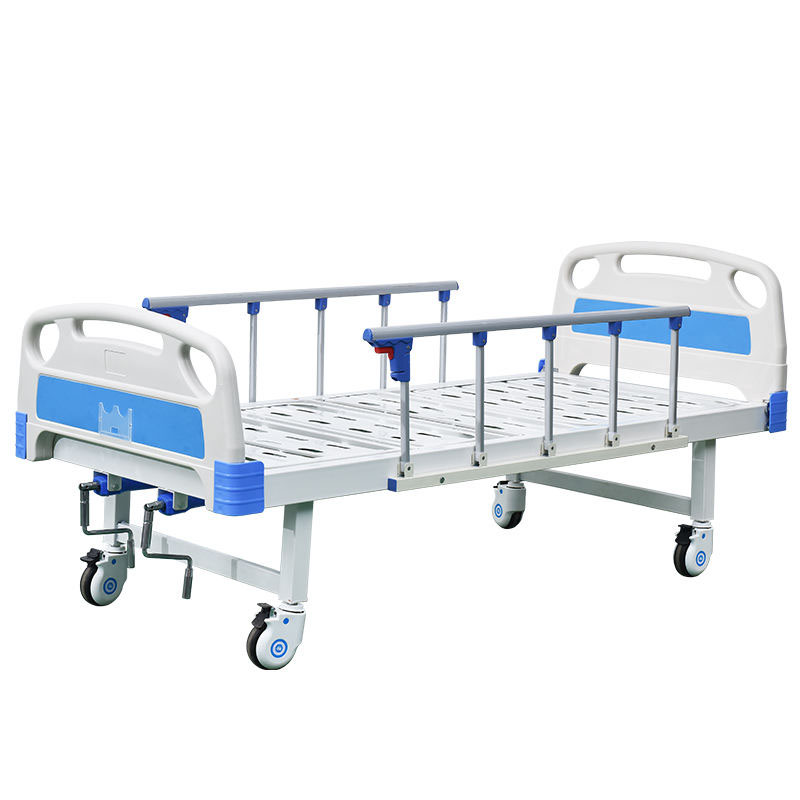
Price is always an important factor in B2B procurement, especially for large-volume purchases. However, focusing exclusively on the lowest price often results in significantly higher long-term costs.
Low-cost hospital beds are frequently manufactured using inferior materials or simplified production methods. Common quality issues include:
- Thin steel frames
- Weak welding structures
- Low-quality motors
- Unstable casters
- Fragile side rails
- Poor surface coating durability
These problems may not appear immediately after installation, but they often become serious after months of continuous use.
For hospitals and care facilities, frequent maintenance creates operational disruptions. Beds that break down regularly reduce patient care efficiency and increase labor costs. In some cases, facilities may need to replace entire units much earlier than expected.
A hospital bed with a slightly higher initial price but better durability often delivers lower overall ownership cost. Buyers should evaluate:
- Expected service life
- Fréquence d'entretien
- Couverture de la garantie
- Assistance pour les pièces de rechange
- Durabilité structurelle
- Long-term operational reliability
Focusing on total lifecycle cost instead of only purchase price helps avoid expensive procurement mistakes.
How Does Poor Material Quality Affect Hospital Bed Performance?
Hospital beds operate under demanding conditions every day. Weak materials quickly reduce safety, stability, and durability.
Some low-end manufacturers reduce costs by using low-grade raw materials, including:
- Thin carbon steel
- Weak plastic components
- Poor-quality electric actuators
- Low-density mattress materials
- Inferior caster systems
These shortcuts may lower the initial selling price, but they increase failure rates and maintenance costs.
Les lits d'hôpital haut de gamme comprennent généralement :
- Châssis en acier renforcé
- Anti-rust powder coating
- Durable ABS components
- Medical-grade locking casters
- Reliable electric control systems
- Strong aluminum alloy side rails
Durability is especially important for ICU beds and long-term care beds that operate continuously.
A damaged bed frame or malfunctioning adjustment system can create patient safety risks and disrupt medical workflows. Reliable materials help healthcare facilities reduce downtime and extend equipment lifespan.
Why Do Buyers Often Choose the Wrong Hospital Bed Functions?
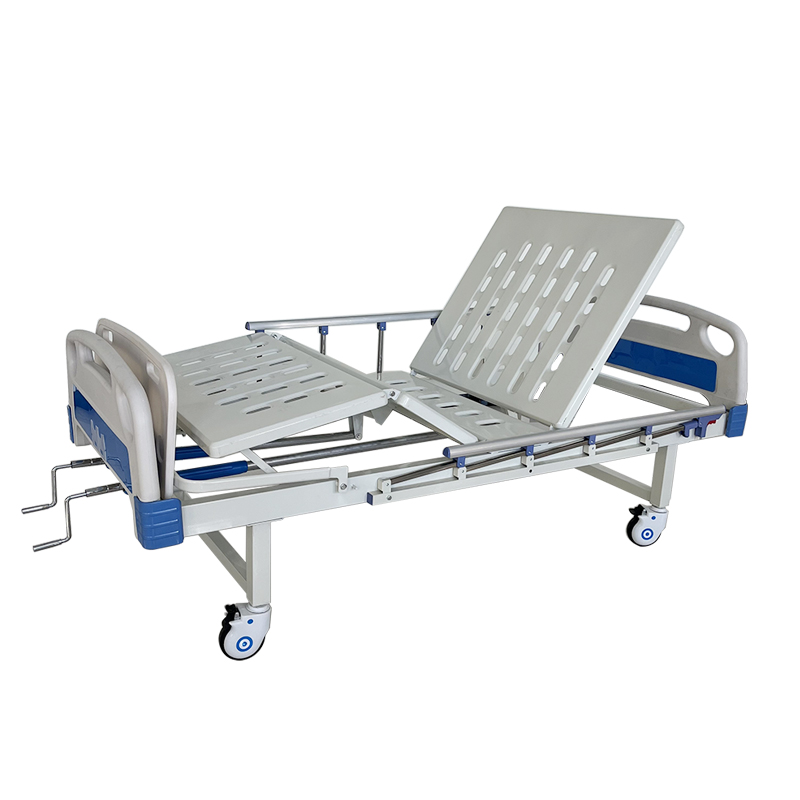
Another costly mistake is selecting inappropriate bed functions.
Some buyers purchase advanced multifunction electric beds for standard wards where basic manual beds are sufficient. Others buy overly simple beds for environments requiring advanced patient positioning and caregiver assistance.
Both situations lead to wasted investment or operational inefficiency.
Different healthcare applications require different configurations:
| Type de lit | Typical Application |
|---|---|
| Lit d'hôpital manuel | Services de médecine générale |
| Lit d'hôpital électrique | Long-term care and ICU |
| Lit de soins à domicile | Residential patient care |
| Bariatric Bed | Heavy-weight patient support |
| Rehabilitation Bed | Mobility recovery support |
Common hospital bed functions include:
- Réglage de la hauteur
- Élévation du dossier
- Élévation des jambes
- Position de Trendelenburg
- CPR emergency release
- Central locking system
- Side rail control
Buyers should carefully evaluate patient needs, caregiver requirements, and operational environments before selecting functions.
Why Is Supplier Reliability So Important in Hospital Bed Procurement?
A reliable supplier directly affects product quality, delivery consistency, technical support, and long-term purchasing stability.
Some buyers choose suppliers based only on low quotations without verifying manufacturing capabilities. This can lead to:
- Delayed shipments
- Inconsistent product quality
- Missing certifications
- Communication problems
- Poor after-sales support
- Limited spare parts supply
Experienced hospital bed manufacturers usually provide stronger support systems and better quality control.
Professional suppliers typically offer:
- Stable production capacity
- Expérience en matière d'exportation
- Procédures d'inspection de la qualité
- International certifications
- Technical documentation
- Warranty service
- Spare parts inventory
For wholesale buyers and distributors, supplier reliability is essential for maintaining customer satisfaction and project timelines.
How Can Ignoring Certifications Create Expensive Problems?
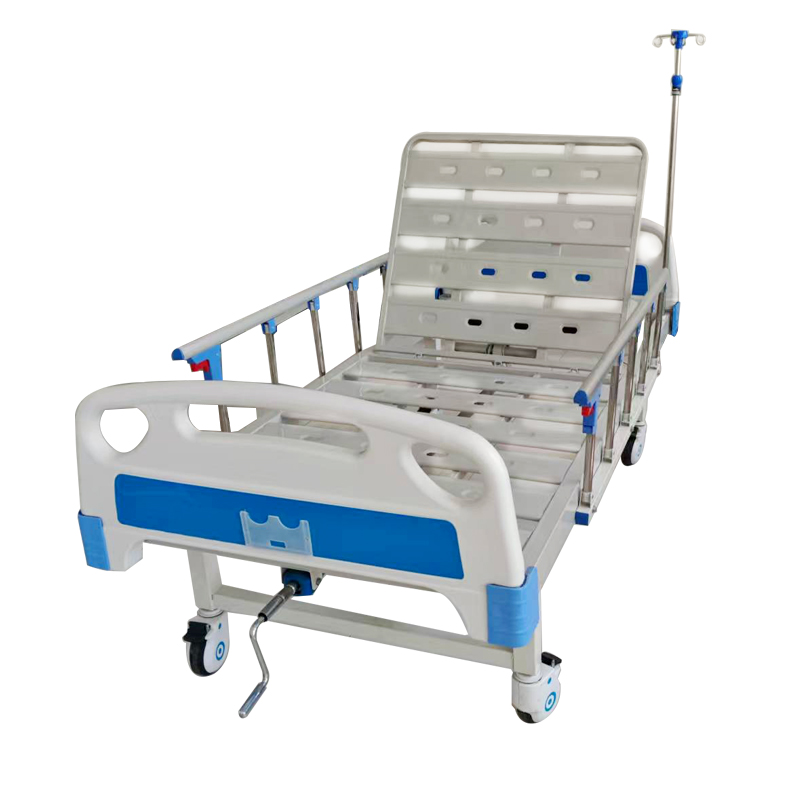
Certification compliance is another area many buyers overlook during procurement.
Different countries and healthcare systems require specific medical equipment certifications. Hospital beds lacking proper documentation may face:
- Customs clearance delays
- Failed inspections
- Import restrictions
- Legal compliance issues
- Customer complaints
Parmi les certifications importantes, on peut citer :
- Certification CE
- ISO 13485
- Enregistrement auprès de la FDA
- Normes de sécurité électrique de la CEI
Buyers should always verify certifications before placing large orders.
Compliance not only supports legal market entry but also reflects manufacturing quality standards and supplier professionalism.
Why Do Maintenance and Spare Parts Matter So Much?
Many buyers focus only on the initial product purchase while ignoring long-term maintenance costs.
Electric hospital beds contain multiple moving and electronic components that require ongoing servicing. Replacement parts may include:
- Moteurs
- Hand controllers
- Roulettes
- Barrières latérales
- Systèmes électriques
- Hydraulic components
If spare parts are unavailable, buyers may need to replace entire beds prematurely.
Reliable suppliers should provide:
- Disponibilité des pièces de rechange
- Technical guidance
- Maintenance manuals
- Fast replacement delivery
- Long-term support
Hospitals operating hundreds of beds especially need stable maintenance systems to reduce downtime and repair expenses.
How Does Poor Ergonomic Design Impact Healthcare Facilities?
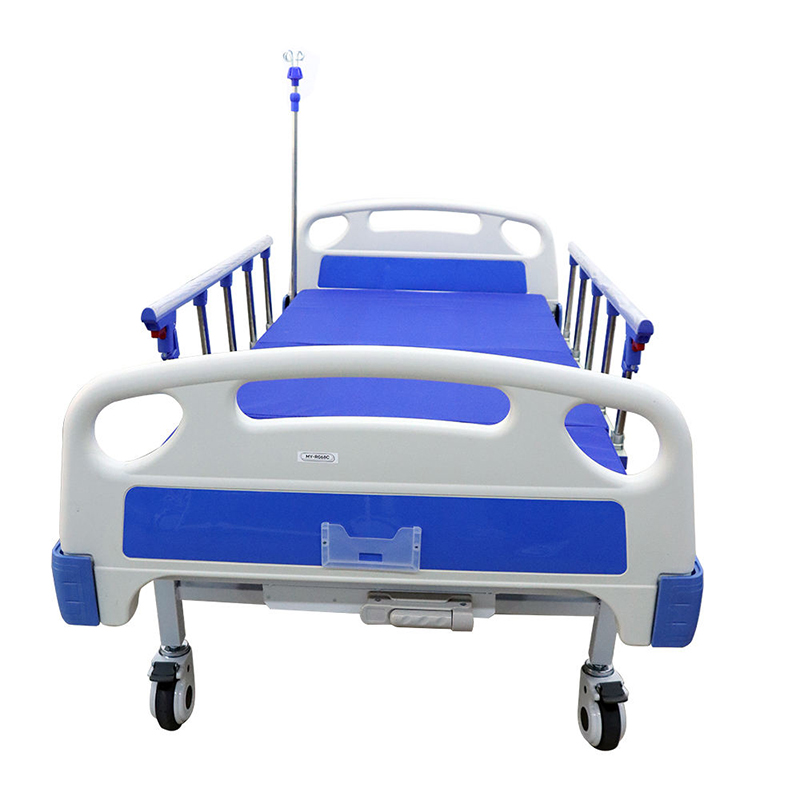
Ergonomic design is often overlooked during hospital bed procurement, yet it directly affects patient comfort and caregiver efficiency.
Poorly designed beds can create:
- Difficult patient transfers
- Increased caregiver fatigue
- Higher injury risks
- Réduction de l'efficacité du flux de travail
- Lower patient satisfaction
Important ergonomic considerations include:
- Adjustable height range
- Une mobilité fluide
- Easy-to-use controls
- Side rail accessibility
- Comfortable mattress support
In long-term care environments, ergonomic performance significantly improves operational efficiency and patient experience.
Why Is Choosing the Wrong Mattress a Major Mistake?
Many buyers underestimate the importance of hospital bed mattresses.
Low-quality mattresses can contribute to:
- Pressure ulcers
- Poor circulation
- Patient discomfort
- Faster wear and tear
Different patient groups require different mattress solutions.
| Mattress Type | Recommended Use |
|---|---|
| Foam Mattress | General patient care |
| Air Mattress | Prévention des escarres |
| Pressure Relief Mattress | Patients alités à long terme |
| Waterproof Mattress | High sanitation environments |
Selecting the correct mattress improves patient recovery and reduces healthcare complications.
How Can Delivery and Packaging Problems Increase Costs?
International hospital bed transportation involves significant logistical challenges.
Improper packaging may result in:
- Scratched surfaces
- Damaged frames
- Broken motors
- Missing accessories
- Electrical component failures
Buyers should confirm:
- Export packaging standards
- Container loading methods
- Protective materials
- Spare parts packaging
- Shipping insurance coverage
Proper logistics planning reduces transportation damage and avoids unexpected replacement costs.
Why Should Buyers Consider Long-Term Procurement Planning?
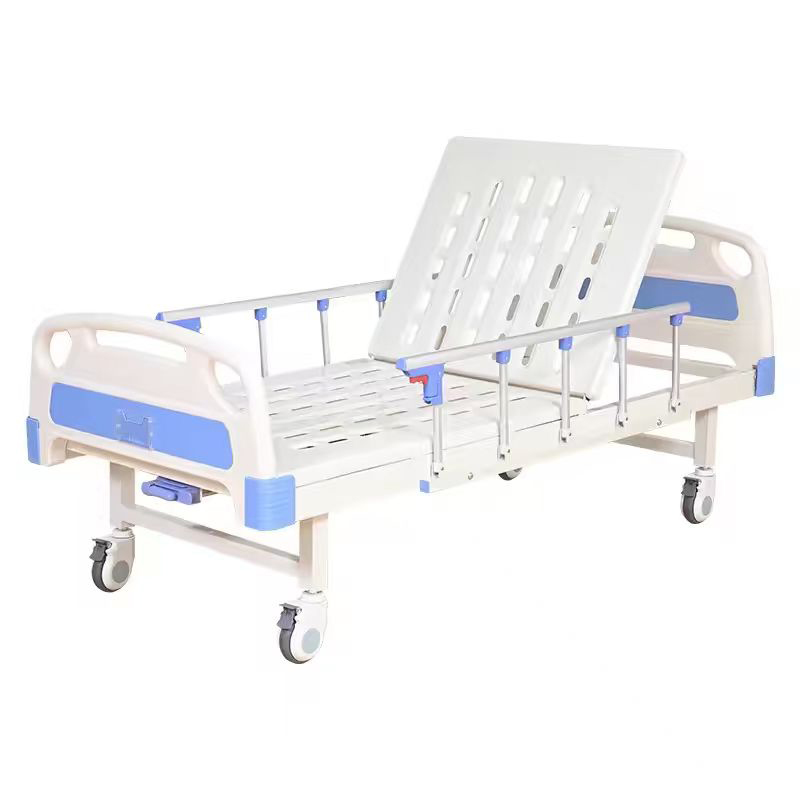
Some healthcare facilities purchase hospital beds only for immediate needs without considering future expansion or standardization.
This often creates problems such as:
- Incompatible spare parts
- Different maintenance procedures
- Increased staff training complexity
- Inventory management difficulties
Standardized procurement helps simplify:
- Maintenance systems
- Spare parts storage
- Caregiver training
- Operational management
Long-term purchasing strategies improve efficiency and reduce future procurement risks.
How Can Buyers Properly Evaluate a Hospital Bed Manufacturer?
Selecting the right manufacturer is one of the most important steps in successful procurement.
Before placing large orders, buyers should evaluate:
Manufacturing Capacity
A professional supplier should demonstrate stable production capabilities and quality control systems.
Expérience à l'exportation
Manufacturers with international market experience better understand global certification, packaging, and logistics requirements.
Product Range
A broad product portfolio often indicates stronger manufacturing flexibility and technical expertise.
Communication Efficiency
Fast and professional communication helps reduce procurement misunderstandings and project delays.
Factory Verification
Buyers can verify supplier reliability through:
- Factory visits
- Video inspections
- Third-party audits
- Trade show meetings
Careful supplier evaluation significantly reduces purchasing risks.
What Procurement Strategies Help Reduce Hospital Bed Costs?
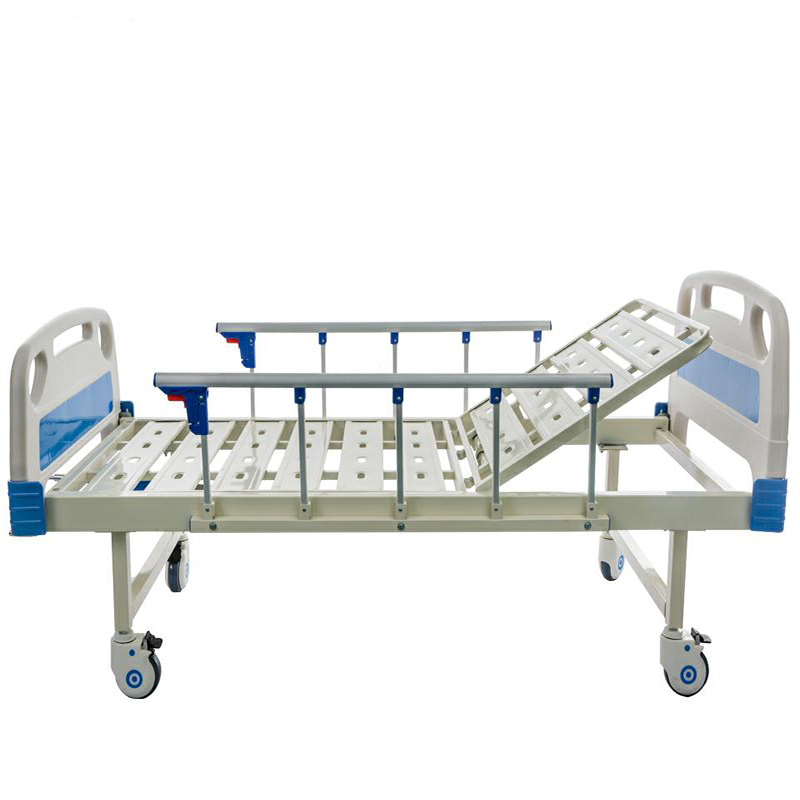
Smart procurement focuses on long-term operational value instead of only short-term pricing.
Effective strategies include:
- Comparing total ownership costs
- Standardizing bed models
- Purchasing compatible accessories
- Building long-term supplier partnerships
- Prioritizing after-sales support
- Verifying certifications early
Wholesale buyers should also negotiate:
- Spare parts packages
- Conditions de garantie
- Delivery schedules
- Technical training
- Maintenance support
Strategic purchasing improves operational stability and financial efficiency.
Conclusion
Hospital bed buying mistakes can cost healthcare facilities thousands of dollars through repairs, replacements, downtime, and operational inefficiencies. Buyers who focus only on price often overlook critical factors such as durability, certifications, ergonomic design, maintenance support, and supplier reliability. By carefully evaluating hospital bed quality, functions, long-term maintenance costs, and manufacturer capabilities, buyers can make smarter purchasing decisions that improve patient care while reducing total ownership expenses.
Have you experienced challenges when purchasing hospital beds? Feel free to share your thoughts, questions, or procurement experiences in the comments, and share this article with others in the healthcare industry.