
Families, caregivers, and healthcare buyers often ask which beds are best for palliative care patients and whether standard hospital beds are sufficient. Choosing the wrong bed can increase pain, pressure injuries, caregiver strain, and patient discomfort during sensitive stages of care. The right palliative care bed improves comfort, safety, dignity, and caregiving efficiency, helping patients experience better quality of life while reducing physical and emotional stress for caregivers.
The best beds for palliative care patients are adjustable medical or home care beds designed for comfort, pressure relief, safety, and caregiver support. Features such as electric positioning, low-height adjustment, pressure-relief mattresses, side rails, and easy mobility help reduce pain, prevent complications, and improve patient dignity. Selecting the appropriate bed depends on patient mobility, medical condition, caregiving environment, and long-term care needs.
Comfort and dignity are essential in palliative care. Let’s explore the key features, bed types, and selection factors that truly matter.
What is a palliative care bed?
A palliative care bed is a specialized medical or home care bed designed to support patients with chronic, serious, or terminal illnesses. These beds focus on improving comfort, safety, positioning, and caregiver efficiency during long-term or end-of-life care.
Unlike ordinary household beds, palliative care beds offer adjustable positioning systems that help patients sit, rest, sleep, or receive treatment more comfortably. They are widely used in hospitals, nursing homes, hospices, rehabilitation centers, and home care settings.
Modern palliative care beds often include:
- Electric backrest adjustment
- Leg elevation functions
- Height adjustment systems
- Barrières de sécurité latérales
- Pressure-relief mattress compatibility
- Locking caster wheels
- Emergency positioning features
These functions help reduce physical discomfort while making caregiving safer and more efficient.
As healthcare systems increasingly emphasize patient-centered care, palliative care beds have become essential equipment for improving quality of life during difficult medical situations.
Why is choosing the right bed important for palliative care patients?
The right bed directly affects a patient’s comfort, safety, emotional well-being, and overall quality of life. Patients receiving palliative care often spend extended periods in bed due to reduced mobility, weakness, pain, or respiratory challenges.
An unsuitable bed may lead to:
- Pressure ulcers
- Muscle stiffness
- Poor circulation
- Breathing discomfort
- Risques de chute
- Increased caregiver injuries
A properly designed palliative care bed helps address these issues by supporting frequent repositioning and ergonomic patient care.
Improved Comfort
Adjustable positioning allows patients to find more comfortable resting angles, helping reduce pain and discomfort.
Better Breathing Support
Elevating the upper body can improve breathing for patients with respiratory conditions or fluid retention.
Safer Patient Movement
Low-height adjustments and side rails reduce fall risks during transfers or repositioning.
Reduced Caregiver Strain
Electric adjustments reduce the need for manual lifting, protecting caregivers from physical injury.
In many cases, the right bed significantly improves both physical and emotional well-being for patients and caregivers alike.
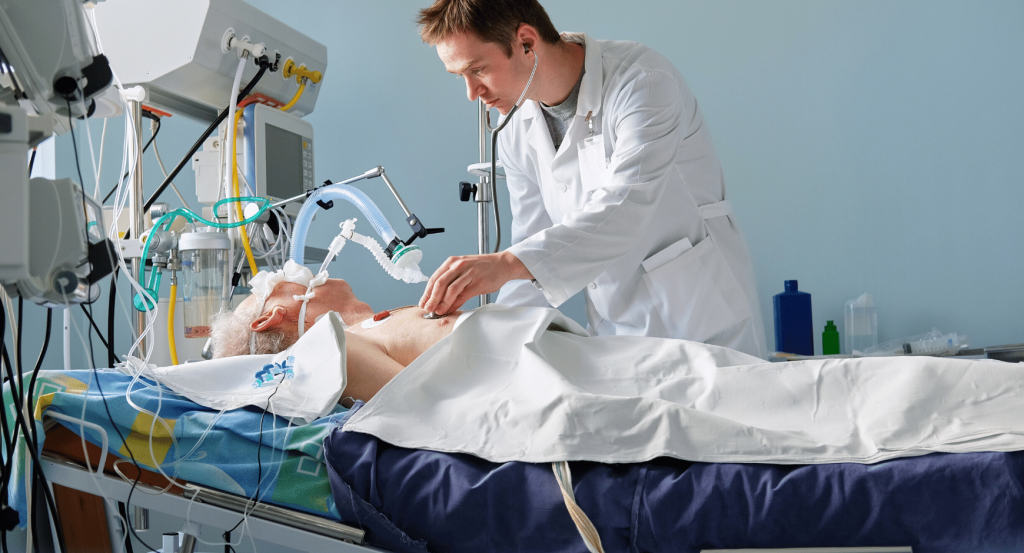
What features should a palliative care bed include?
Choosing a suitable palliative care bed requires evaluating several important features that contribute to comfort, safety, and long-term usability.
Fonctions de réglage électrique
Electric beds allow caregivers or patients to adjust:
- Backrest angle
- Surélévation du genou
- Overall bed height
- Trendelenburg positioning on advanced models
Electric operation improves convenience and reduces physical effort.
Pressure Relief Compatibility
Patients who remain in bed for long periods are vulnerable to pressure ulcers. Beds should support pressure-relief mattresses such as:
- Matelas en mousse
- Alternating air mattresses
- Gel mattresses
These systems help distribute body weight evenly.
Low Height Design
Ultra-low beds reduce injury risk if a patient accidentally leaves the bed or falls.
Barrières latérales
Foldable ABS or aluminum alloy side rails provide safety support while allowing easy caregiver access.
Mobilité en toute fluidité
Medical-grade casters with central locking systems allow secure movement during cleaning, repositioning, or emergencies.
Construction robuste
Strong steel bed frames improve long-term durability and stability for healthcare environments.
Quiet Motor Systems
Low-noise motors improve patient comfort, especially during nighttime repositioning.
These features collectively improve patient dignity and caregiver efficiency.
Are electric beds better for palliative care?
Yes, electric beds are generally considered the best option for palliative care because they improve comfort, reduce caregiver strain, and support safer patient positioning.
Manual repositioning can be physically demanding and uncomfortable for fragile patients. Electric systems allow smoother, safer adjustments with minimal effort.
Benefits of Electric Palliative Care Beds
Easier Position Changes
Patients can move from lying to sitting positions more comfortably.
Reduced Pain During Movement
Smooth electric adjustments reduce sudden body movement and discomfort.
Better Independence
Some patients can operate controls independently, preserving dignity and autonomy.
Improved Caregiver Safety
Electric positioning reduces repetitive lifting and bending injuries.
Faster Daily Care
Tasks such as feeding, dressing, and wound care become easier.
Many hospitals and home care providers now prefer fully electric or semi-electric care beds because they improve both patient experience and operational efficiency.
What type of mattress is best for palliative care patients?
The mattress is just as important as the bed itself. Patients in palliative care are highly vulnerable to skin breakdown and pressure injuries due to limited movement.
The best mattress depends on patient condition, mobility level, and care duration.
Foam Pressure-Relief Mattresses
High-density foam mattresses provide comfort and moderate pressure redistribution. They are suitable for lower-risk patients.
Alternating Air Mattresses
Air mattresses continuously change pressure points using air cells, making them ideal for high-risk patients.
Les avantages comprennent :
- Reduced pressure ulcers
- Improved circulation
- Better skin protection
Gel Mattresses
Gel layers provide cooling comfort and pressure distribution.
Hybrid Mattresses
Some advanced systems combine foam and air technologies for enhanced support.
When selecting mattresses, buyers should also consider:
- Waterproof covers
- Contrôle des infections
- Easy cleaning
- Capacité de poids
- Breathability
A high-quality mattress can significantly improve patient comfort during long-term care.
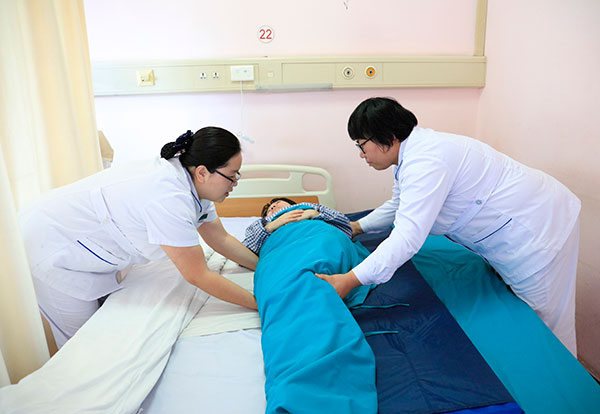
How do palliative care beds improve caregiver efficiency?
Palliative care beds are designed not only for patient comfort but also for improving caregiving efficiency and reducing physical workload.
Caregivers frequently assist with:
- Repositionnement
- Alimentation
- Hygiene care
- Medication support
- Patient transfers
Without adjustable beds, these tasks become physically exhausting.
Reduced Lifting Injuries
Height-adjustable beds reduce bending and heavy lifting.
Des transferts de patients plus faciles
Wheelchair transfers become safer and more efficient.
Faster Hygiene Assistance
Adjustable positioning simplifies bathing and clothing changes.
Improved Workflow in Medical Facilities
Hospitals and nursing homes can provide more efficient care with multifunctional beds.
This is especially important in long-term care environments where caregivers perform repetitive physical tasks daily.
Efficient caregiving also improves emotional interactions by reducing stress and fatigue.
What safety features are essential for palliative care beds?
Safety is one of the most important considerations when choosing beds for palliative care patients.
Patients often experience weakness, confusion, balance issues, or reduced mobility, making fall prevention critical.
Barrières latérales
Side rails provide stability during repositioning and help prevent accidental falls.
Roulettes à blocage central
Secure wheel-lock systems prevent unintended movement during care.
Emergency Lowering Functions
Rapid positioning features help caregivers respond quickly during emergencies.
Stable Bed Structure
Heavy-duty steel frames improve bed stability and reduce shaking.
Electrical Safety Systems
Reliable motor systems minimize operational failures and improve long-term safety.
Conception anti-pincement
Modern bed designs reduce gaps where patients could become trapped.
Healthcare facilities should also ensure beds meet local medical safety certifications and compliance standards.
Are home care beds suitable for palliative care?
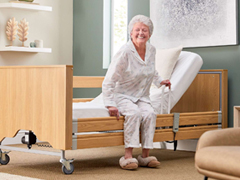
Yes, home care beds are increasingly popular for palliative care because many patients prefer receiving care in familiar home environments.
Modern home care beds combine medical functionality with residential-style aesthetics.
Avantages des lits de soins à domicile
Better Emotional Comfort
Patients often feel more relaxed and emotionally secure at home.
Improved Family Interaction
Home care environments encourage closer family support.
Reduced Hospital Costs
Home-based care can reduce long-term hospitalization expenses.
Adjustable Medical Functions
Many home care beds include electric adjustment, safety rails, and pressure-relief support.
Popular Home Care Bed Options
Common models include:
- Electric wooden home care beds
- Multifunctional nursing beds
- Ultra-low home care beds
- Rotating care beds
- Wheelchair transfer beds
For home use, buyers should evaluate room size, caregiver needs, power supply compatibility, and ease of operation.
What should healthcare buyers consider when purchasing palliative care beds?
Hospitals, distributors, nursing homes, and home care suppliers should evaluate multiple factors before purchasing palliative care beds.
Product Quality
Durable construction reduces maintenance and replacement costs.
Supplier Reliability
Stable inventory and delivery capabilities are critical for healthcare procurement.
Certification Compliance
Beds should meet medical safety and export standards for target markets.
Customization Capability
Different markets may require:
- Specific voltage systems
- Types de matelas
- Rail configurations
- Dimensions du lit
After-Sales Service
Reliable technical support and spare parts availability improve long-term operational value.
Total Ownership Cost
Low-cost beds may create higher long-term maintenance expenses.
Experienced manufacturers with consistent production capacity provide better long-term value for wholesale buyers and healthcare institutions.
Why is global demand for palliative care beds increasing?
The global market for palliative care and home care beds continues to grow rapidly due to aging populations and expanding healthcare needs.
Aging Populations Worldwide
Countries across Europe, Asia, and North America are experiencing rapid growth in elderly populations.
Increased Chronic Illnesses
More patients require long-term care support for chronic diseases.
Growth of Home Healthcare
Families increasingly prefer home-based medical care solutions.
Healthcare Cost Reduction
Home care beds help reduce pressure on hospitals and long-term care facilities.
Technological Improvements
Modern beds now offer quieter motors, better ergonomics, and smarter positioning systems.
As healthcare systems evolve, demand for multifunctional palliative care beds is expected to continue increasing globally.
Conclusion
Choosing the right bed for palliative care patients plays a critical role in improving comfort, dignity, safety, and caregiving efficiency. Features such as electric adjustment, pressure-relief support, low-height safety, and multifunctional positioning can significantly improve quality of life for patients while reducing physical strain on caregivers.
Whether used in hospitals, hospices, nursing homes, or home care environments, high-quality palliative care beds provide long-term medical and operational value. Healthcare buyers should focus on durability, safety, comfort, and supplier reliability when selecting products for long-term care applications.
If you are exploring palliative care bed solutions for your healthcare facility or distribution business, feel free to share your thoughts or contact us to discuss suitable options for your market.