
Hospital bed buyers often ask which model to sample, what specifications to confirm, and how to judge whether a supplier can support a large order. A poorly planned sample may hide quality risks and delay procurement. A structured sample-order plan helps buyers verify performance, packaging, documentation, and supplier reliability before bulk purchasing.
To plan a hospital bed sample order, define the intended use, required functions, technical specifications, accessories, documents, packaging, and test criteria. Order a configuration that closely matches the future bulk product, inspect it systematically, record all findings, and confirm corrections in writing. The sample should validate both the bed and the supplier’s communication, quality control, delivery accuracy, and after-sales support.
A sample is more than a product demonstration. It is a small-scale test of the complete purchasing process. The following steps show how to evaluate it effectively.
Why Order a Hospital Bed Sample Before Bulk Purchasing?
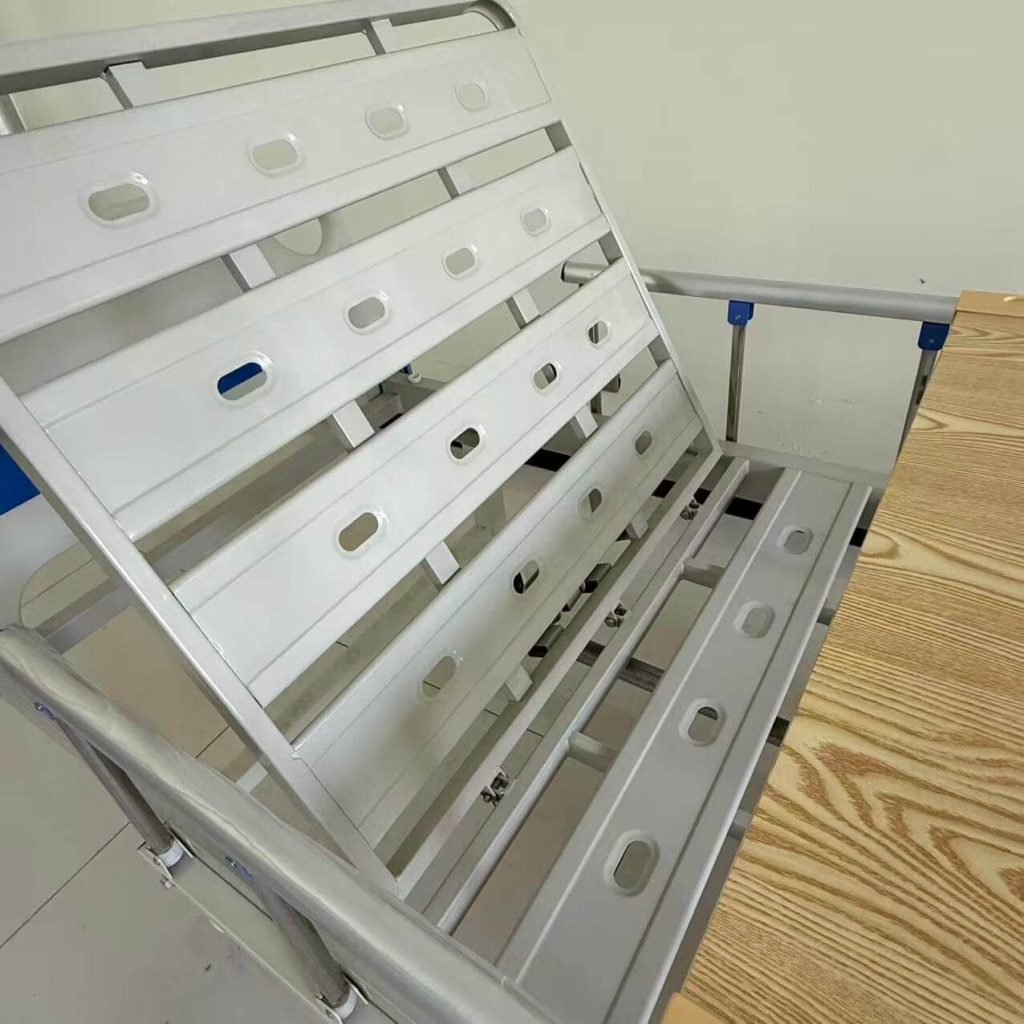
A hospital bed may look acceptable in photos while still having weaknesses that become visible only during physical inspection. Frame stability, caster movement, side-rail operation, motor noise, weld quality, mattress fit, and packaging strength are difficult to assess from a quotation.
A sample reduces uncertainty before a buyer invests in a container order or long-term supply agreement. It also allows nurses, technicians, distributors, and procurement teams to evaluate the product from different perspectives.
However, the sample must represent the planned bulk order. Ordering the cheapest unit only to inspect appearance can produce misleading results when its configuration differs from the final product.
Define the Application Before Selecting a Sample
The first step is to identify where and how the bed will be used. General wards, intensive care units, home-care settings, rehabilitation centers, nursing facilities, and emergency departments may require different functions.
Match the Bed to the Care Setting
General ward buyers may prioritize adjustment, safe side rails, easy cleaning, and reliable casters. Home-care buyers may focus on simple controls, low height, and caregiver convenience.
The sample should also suit the real environment. Room width, elevators, ramps, floor surfaces, cleaning methods, and storage conditions can all affect performance.
Separate Essential and Optional Functions
List all required functions before requesting a quotation. These may include backrest adjustment, leg adjustment, height adjustment, Trendelenburg, reverse Trendelenburg, lateral turning, CPR release, or wheelchair conversion.
Divide them into essential features, preferred features, and optional accessories. This helps control cost while preventing important requirements from being omitted.
Prepare a Detailed Sample Specification Sheet
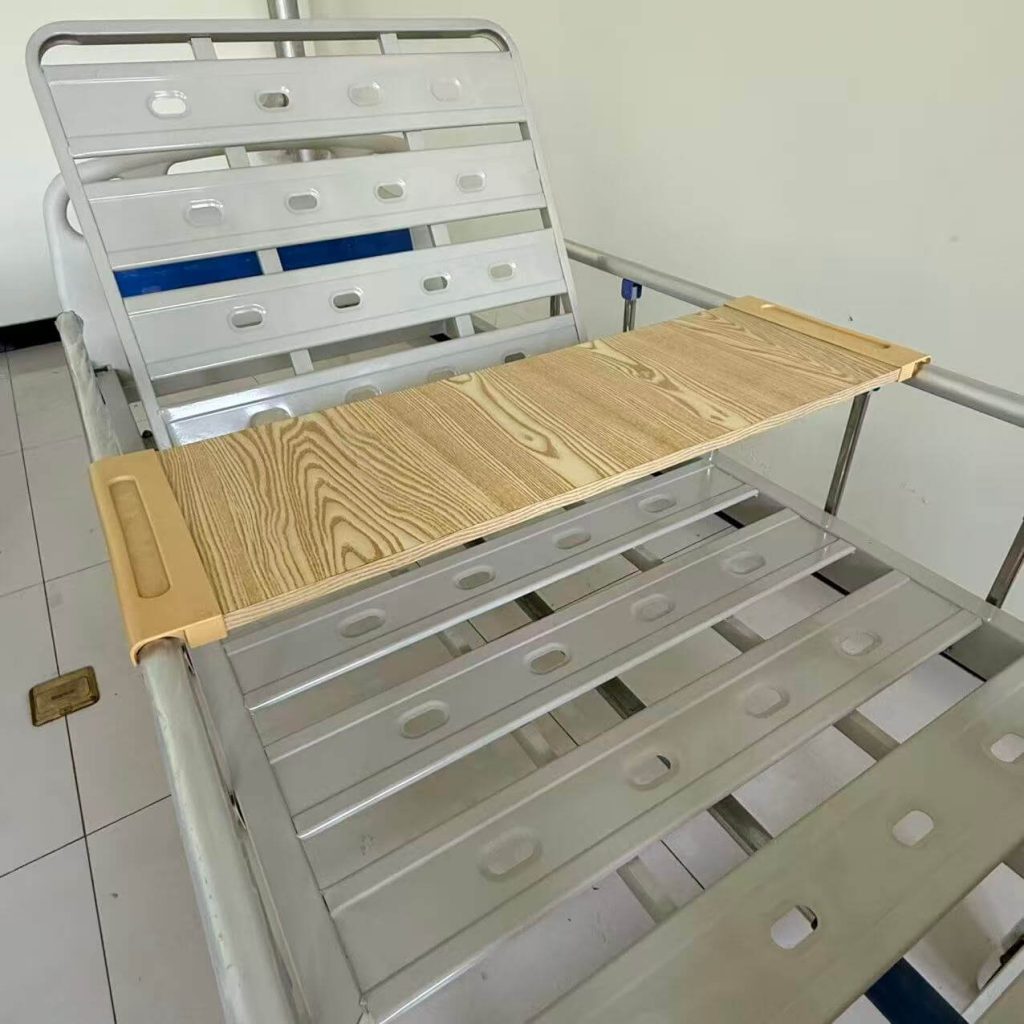
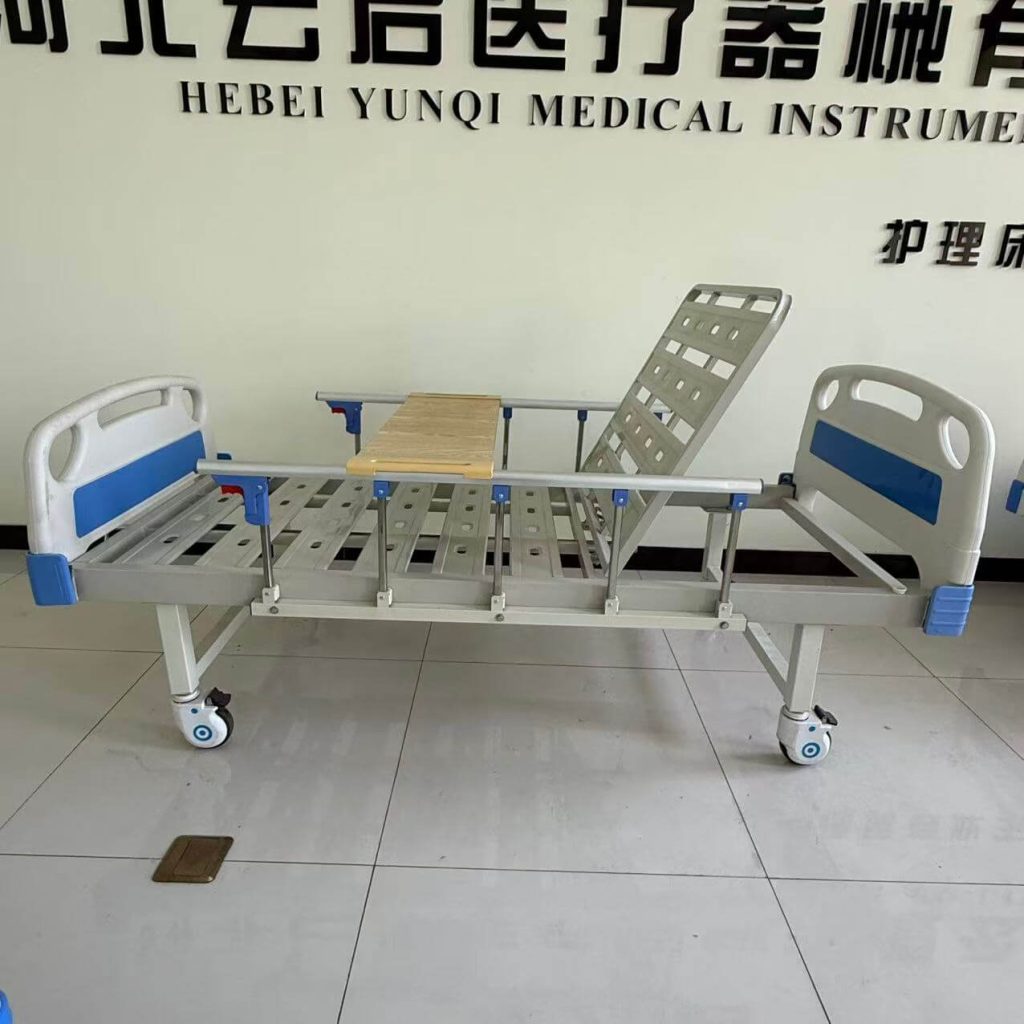
A written specification sheet reduces misunderstandings and becomes the reference for inspection after delivery. It should include the model, overall dimensions, mattress platform size, height range, safe working load, frame and platform materials, coating, side rails, headboard and footboard, casters, brakes, motor system, controller, and accessories.
Confirm Materials and Components
Descriptions such as “steel frame,” “ABS rail,” or “medical caster” are too general for comparison. Request details such as tube thickness, surface treatment, platform construction, caster diameter, rail mechanism, and locking method.
For electric beds, confirm voltage, plug type, actuator configuration, battery-backup options, and emergency lowering. For manual beds, review crank location, folding design, handle material, and protection against accidental movement.
Specify Accessories and Mattress Requirements
The quotation should identify every included accessory, such as the mattress, IV pole, drainage hooks, dining board, patient lifting pole, bedside cabinet, or over-bed table.
Confirm mattress thickness, internal structure, cover material, waterproof properties, zipper design, and compatibility with the moving platform. A poorly matched mattress may restrict adjustment or create unsafe gaps.
Decide the Right Sample Quantity
One bed is often enough for initial technical evaluation. Two or three units provide a better view of production consistency and allow testing in different departments. A small pilot batch may be preferable when the buyer wants to observe performance during routine use before placing a large order.
The quantity should reflect the value and risk of the future purchase. A distributor launch, hospital project, or container-scale order may justify a pilot order, while a small repeat purchase may require only one sample.
Confirm Sample Price, Payment, and Credit Terms
Samples usually cost more per unit because the supplier must handle small-quantity assembly, export packing, documents, and individual shipping.
Ask whether the price includes accessories, packing, inland transport, documentation, and freight. Also confirm whether any part of the sample cost can be credited toward the bulk order.
The goal is not merely to obtain the lowest sample price. A simplified sample may not represent the final product. Payment terms, sample-credit policies, freight responsibilities, and refund conditions should all appear on the proforma invoice.
Review Documents Before Shipment
Before dispatch, request the product data sheet, dimensional drawing, function diagram, accessory list, electrical information, user manual, maintenance instructions, packing details, warranty terms, and applicable compliance documents.
Request Pre-Shipment Photos and Videos
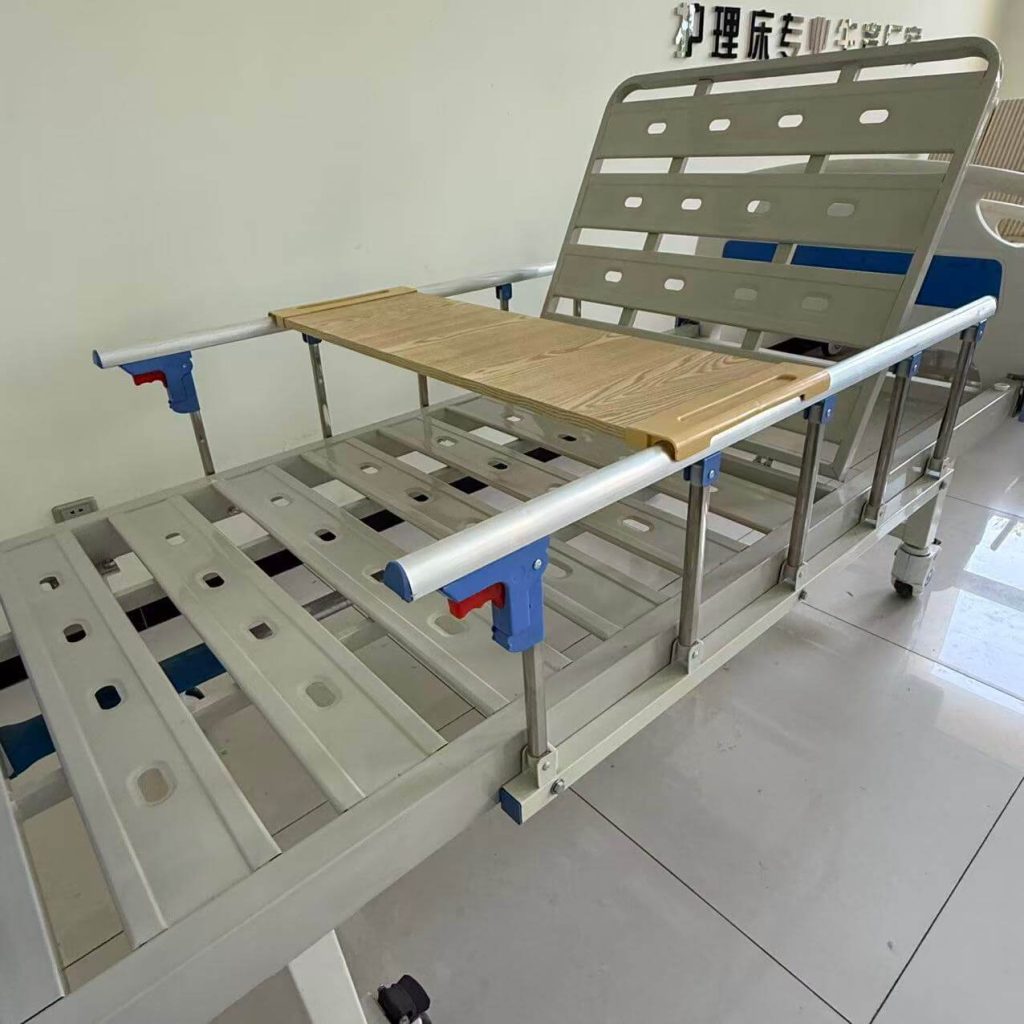
Ask for clear photos from multiple angles. Videos should show all adjustments, side-rail operation, removable panels, caster locks, controls, and accessories.
For electric models, the supplier should demonstrate smooth movement and any included emergency functions. For manual beds, the video should show how each crank operates. These records do not replace inspection, but they can identify obvious errors before freight is paid.
Create a Sample Inspection Checklist
A checklist makes the evaluation consistent. Mark each item as passed, failed, or requiring improvement, and attach measurements, photographs, and comments.
Inspect Appearance and Workmanship
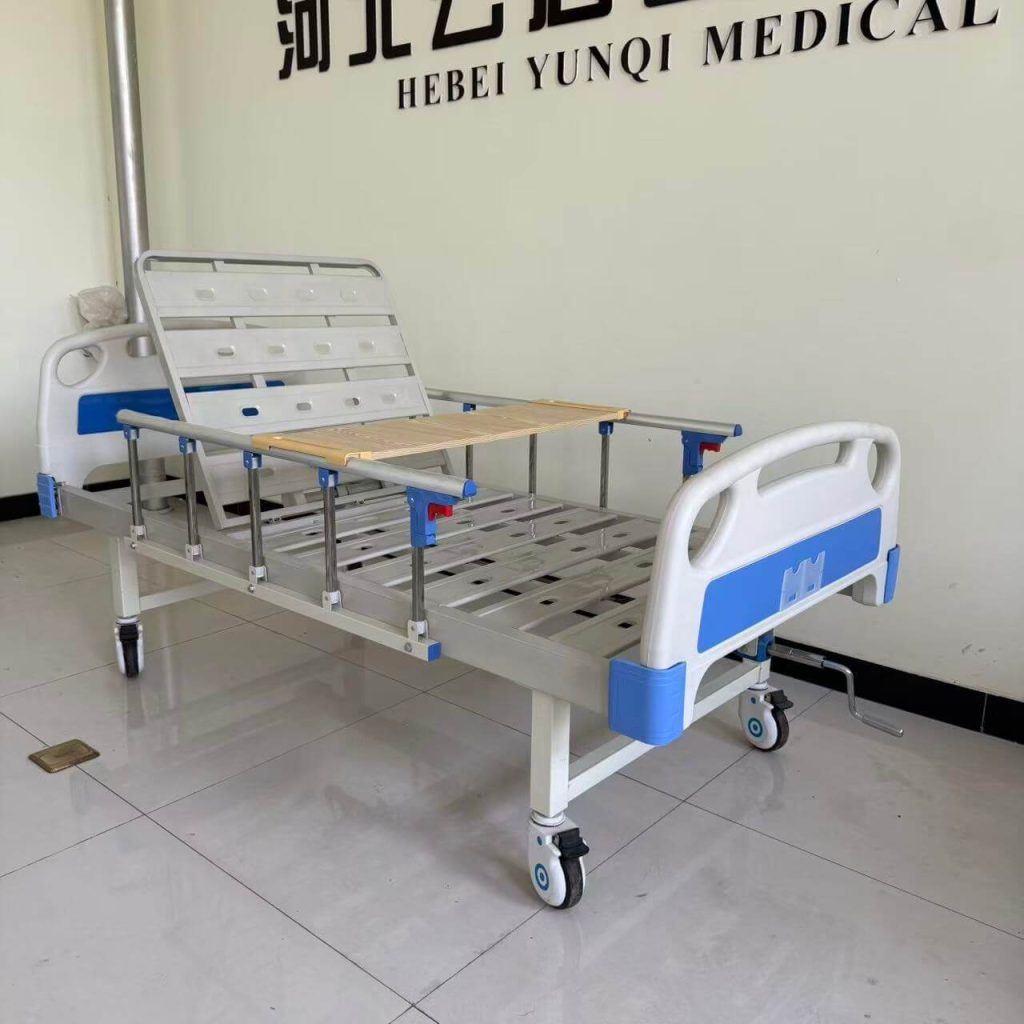
Check for frame deformation, sharp edges, rough welds, coating defects, rust, scratches, loose parts, uneven gaps, cracked plastic, weak attachment points, and color differences.
Labels, warning marks, symbols, and product identification should be clear. For private-label orders, verify logo size, position, color, and durability.
Test Function, Movement, and Stability
Operate every adjustment repeatedly. Movement should be smooth, without abnormal vibration, sudden stops, excessive noise, or interference between platform sections.
Test the bed at different heights and angles. Side rails should lock securely and release without excessive force. Headboards and footboards should be removable and easy to reinstall.
Move the bed across normal floors, thresholds, and gentle ramps where relevant. Casters should roll and swivel smoothly, while the brake system should hold the bed securely.
Verify Dimensions and Load Information
Measure the length, width, platform height, mattress area, side-rail height, and adjustment angles. Compare the results with the approved specification.
Request supporting load-test information and clarify the difference between patient capacity, safe working load, and test load. Do not rely only on a printed capacity label.
Test the Bed in a Real Working Environment
The people who will use or maintain the bed should participate. Nurses can assess controls, positioning, side rails, and cleaning access. Technicians can inspect wiring, fasteners, actuators, replacement procedures, and spare-parts availability. Procurement teams can review documentation, packaging, and supplier response.
A trial period may reveal issues that a one-day inspection misses, including loose connections, controller problems, motor noise, coating wear, or hard-to-clean areas.
Record testing conditions and frequency. A comment such as “the motor is noisy” is less useful than a note explaining when the sound occurs, how often it appears, and whether it affects operation.
Evaluate Packaging and Shipping Protection
Hospital beds are heavy and contain moving parts, plastic panels, and accessories that may be damaged in transit. Packaging is therefore part of the sample evaluation.
Inspect carton strength, internal cushioning, moisture protection, corner guards, straps, pallet design, component separation, and accessory placement. Detachable parts should be protected from rubbing, crushing, or movement.
Check the gross weight, package dimensions, handling method, assembly convenience, and suitability for container loading. When damage occurs, ask the supplier to identify the cause and propose a corrective packaging plan before bulk production.
Review Installation, Maintenance, and Spare Parts
The sample should show how much assembly is required and which tools or skills are needed. The supplier should provide clear assembly instructions, operating guidance, cleaning recommendations, maintenance procedures, troubleshooting information, and spare-parts lists.
For electric beds, confirm how motors, hand controls, control boxes, batteries, and cables are replaced. For manual beds, inspect cranks and mechanical linkages. Straightforward maintenance can reduce downtime and long-term operating costs.
La gente también pregunta
Should the Sample Match the Bulk Order?
Yes, as closely as practical. The frame, rails, casters, motors, controls, panels, mattress, accessories, branding, and packaging should match the intended bulk configuration. Any difference must be documented because it may affect the test result.
How Long Should the Sample Be Tested?
Basic dimensional and functional checks may take one or two days, while real-use trials may continue for several weeks. Test long enough to observe repeated movement, cleaning, adjustment, transport, and staff feedback.
What If the Sample Needs Changes?
List each requested change in an evaluation report. The supplier should confirm the modification, cost effect, lead-time effect, and revised specification in writing. Major structural or functional changes may require an updated sample or verified pre-production unit.
Convert Findings into a Bulk-Order Agreement
Classify findings as approved items, minor improvements, major corrections, or unacceptable risks. Add every accepted change to the final quotation, specification sheet, contract, drawing, packing instruction, inspection checklist, and quality agreement.
Define the bulk inspection method, such as supplier records, third-party inspection, random sampling, functional testing, packaging checks, or loading supervision.
Keep the approved sample as a reference unit where possible. Preserve photographs, videos, measurements, signed documents, and component details in case the physical sample is unavailable later.
Evaluate the Supplier as Well as the Bed
The sample order tests the supplier’s overall capability. Observe whether the team asks useful questions, confirms details, reports progress, identifies risks, supplies accurate documents, meets the promised dispatch date, and responds professionally to problems.
Also review production capacity, quality-control procedures, spare-parts support, warranty handling, customization ability, inventory readiness, and expected bulk lead time.
Jcare supports wholesale buyers with hospital beds, home-care beds, rehabilitation products, medical furniture, and accessories. Its factory-direct approach, inventory options, and short delivery arrangements can support sample evaluation and later bulk purchasing, subject to model and destination requirements.
Conclusión
Planning a hospital bed sample order requires more than selecting one model and arranging delivery. Buyers should define the application, prepare a detailed specification, confirm accessories and documents, create inspection criteria, conduct realistic tests, evaluate packaging, and record every required improvement.
All approved findings should be transferred into the final technical and commercial documents before mass production begins. This process reduces specification errors, shipping damage, quality disputes, and unexpected maintenance problems.
For hospital bed sample planning or wholesale purchasing discussions, contact Jcare at jcarebed@gmail.com. Share this guide with your procurement or technical team, and leave a comment about the hospital bed features most important in your market.