
Healthcare providers, hospital administrators, and home care professionals often ask whether medical bedding truly affects patient outcomes or if it is simply a supplementary healthcare product. Overlooking bedding quality can lead to discomfort, poor sleep, increased pressure injury risks, and slower recovery. Fortunately, choosing the right medical bedding can significantly improve patient comfort, support healing, enhance infection control, and contribute to better overall healthcare outcomes.
Medical bedding plays a vital role in patient comfort and recovery by improving sleep quality, reducing pressure injury risks, supporting infection prevention, regulating body temperature, and enhancing overall well-being. When combined with quality hospital beds and mattresses, proper medical bedding creates a safer and more comfortable healing environment that helps patients recover more effectively while improving healthcare efficiency.
Medical bedding influences far more than comfort alone. Understanding its impact can help healthcare facilities improve patient outcomes and operational performance.
La gente también pregunta
What Is Medical Bedding?
Medical bedding refers to specialized bedding products designed specifically for healthcare environments. Unlike standard residential bedding, medical bedding is engineered to support patient safety, hygiene, durability, and comfort.
Common medical bedding products include:
- Hospital bed sheets
- Medical blankets
- Pillow covers
- Mattress protectors
- Waterproof bedding
- Pressure-relief bedding accessories
- Disposable bedding products
- Specialized positioning cushions
These products are used in hospitals, nursing homes, rehabilitation centers, long-term care facilities, and home healthcare settings.
Medical bedding must meet higher standards than ordinary household bedding because it is subjected to frequent washing, heavy use, and strict hygiene requirements.
Why Is Patient Comfort Important in Healthcare?
Patient comfort is often underestimated in healthcare planning, yet it directly affects treatment outcomes.
When patients are uncomfortable, they may experience:
- Difficulty sleeping
- Increased stress
- Anxiety
- Reduced mobility
- Lower treatment satisfaction
Comfortable patients are generally more cooperative during treatment and recovery processes. They are also more likely to maintain positive attitudes toward their care.
Healthcare facilities increasingly recognize patient comfort as a key component of quality healthcare services. As patient-centered care becomes more important worldwide, comfort-enhancing products such as medical bedding receive greater attention.
How Does Medical Bedding Improve Sleep Quality?
Sleep is one of the body’s most powerful healing mechanisms.
Supporting Natural Recovery Processes
During sleep, the body performs essential restorative functions including:
- Tissue repair
- Immune system strengthening
- Hormone regulation
- Cellular regeneration
Poor sleep can interfere with these processes and potentially extend recovery periods.
Reducing Sleep Interruptions
Patients recovering from surgery or illness often experience discomfort that disrupts sleep.
Quality medical bedding can help by:
- Providing a softer sleeping surface
- Reducing skin irritation
- Improving temperature regulation
- Minimizing discomfort during movement
The result is longer periods of uninterrupted sleep that support faster healing.
Creating a Calming Environment
Comfortable bedding contributes to a more welcoming and less stressful healthcare environment.
Patients who feel physically comfortable are more likely to relax, which can positively influence sleep quality and emotional well-being.
How Does Medical Bedding Help Prevent Pressure Injuries?
Pressure injuries remain a major challenge for healthcare facilities worldwide.
These injuries occur when prolonged pressure restricts blood flow to vulnerable areas of the body.
Reducing Friction
Friction occurs when skin rubs against bedding surfaces.
High-quality medical bedding is designed to minimize friction, helping protect delicate skin from damage.
Minimizing Shear Forces
Shear injuries occur when skin remains stationary while underlying tissues move.
Specialized medical bedding materials can help reduce these harmful forces.
Managing Moisture
Moisture is one of the leading contributors to skin breakdown.
Advanced medical bedding can help:
- Absorb excess moisture
- Wick moisture away from the skin
- Keep patients dry
- Maintain skin integrity
Supporting Pressure Redistribution
When used with pressure-relief mattresses and adjustable hospital beds, medical bedding helps distribute body weight more evenly.
This reduces pressure concentrations that may contribute to skin damage.
Why Is Temperature Regulation Important for Recovery?
Maintaining proper body temperature is essential for patient comfort and healing.
Preventing Overheating
Many patients experience elevated temperatures due to:
- Illness
- Medicamentos
- Medical procedures
- Limited mobility
Breathable medical bedding promotes airflow and helps reduce overheating.
Reducing Excessive Perspiration
Sweating can create discomfort and increase moisture-related skin issues.
Proper bedding materials help regulate moisture and maintain a more comfortable sleeping environment.
Supporting Consistent Comfort
Patients often struggle to regulate body temperature while recovering.
Medical bedding helps create a stable and comfortable environment that promotes restful sleep and recovery.
How Does Medical Bedding Contribute to Infection Control?
Healthcare-associated infections remain a serious concern for healthcare providers worldwide.
Medical bedding plays an important role in infection prevention strategies.
Frequent Laundering Capability
Healthcare bedding must withstand repeated washing at high temperatures.
This allows healthcare facilities to maintain strict cleanliness standards without compromising product performance.
Reducing Microbial Contamination
Specialized medical bedding materials can help reduce microbial accumulation compared to ordinary household products.
Combined with proper laundering protocols, this contributes to safer patient environments.
Supporting Hygiene Compliance
Healthcare facilities must comply with infection control regulations and standards.
Medical bedding is designed to support these requirements through durability, cleanability, and performance.
Can Medical Bedding Improve Patient Satisfaction?
Patient satisfaction has become a critical performance indicator for healthcare facilities.
Enhancing Overall Comfort
Comfortable bedding contributes directly to positive patient experiences.
Patients often remember details such as:
- Softness of bedding
- Cleanliness
- Temperature comfort
- Calidad del sueño
These factors influence their overall perception of healthcare quality.
Improving Hospital Reputation
Healthcare facilities that prioritize patient comfort often receive better feedback and stronger reputations.
This can positively influence:
- Patient retention
- Referrals
- Public perception
- Competitive positioning
Supporting Patient-Centered Care
Modern healthcare increasingly focuses on delivering personalized and compassionate care.
Comfortable medical bedding aligns closely with these goals.
Why Does Medical Bedding Matter in Long-Term Care Facilities?
Residents in long-term care facilities spend significant amounts of time in bed.
This makes bedding quality especially important.
Supporting Extended Bed Rest
Long-term care residents often have mobility limitations.
Comfortable bedding helps improve daily living experiences and overall quality of life.
Protecting Vulnerable Skin
Elderly individuals frequently have fragile skin that is more susceptible to injury.
Medical bedding helps reduce risks associated with prolonged bed occupancy.
Enhancing Emotional Well-Being
Comfort contributes to dignity and emotional health.
Residents who feel comfortable are often more satisfied with their living environments.
How Does Medical Bedding Benefit Home Care Patients?
The global demand for home healthcare continues to grow.
Improving Comfort at Home
Patients recovering at home require environments that support healing.
Medical bedding helps create professional-quality care settings outside traditional healthcare facilities.
Supporting Family Caregivers
Family members often assist with caregiving responsibilities.
Easy-to-maintain medical bedding simplifies daily care routines.
Encouraging Recovery
Comfortable and hygienic bedding can contribute to better rest and improved recovery experiences at home.
What Materials Are Commonly Used in Medical Bedding?
Different materials offer unique advantages depending on healthcare requirements.
Polyester Blends
Polyester blends are widely used because they offer:
- Durabilidad
- Wrinkle resistance
- Rentabilidad
- Frequent laundering capability
Cotton-Polyester Combinations
These materials combine comfort with durability.
They are commonly found in hospitals and healthcare facilities worldwide.
Waterproof Fabrics
Waterproof materials help protect mattresses from fluids and contamination.
Advanced Performance Textiles
Modern healthcare increasingly uses innovative fabrics designed for:
- Moisture management
- Breathability
- Control de infecciones
- Enhanced durability
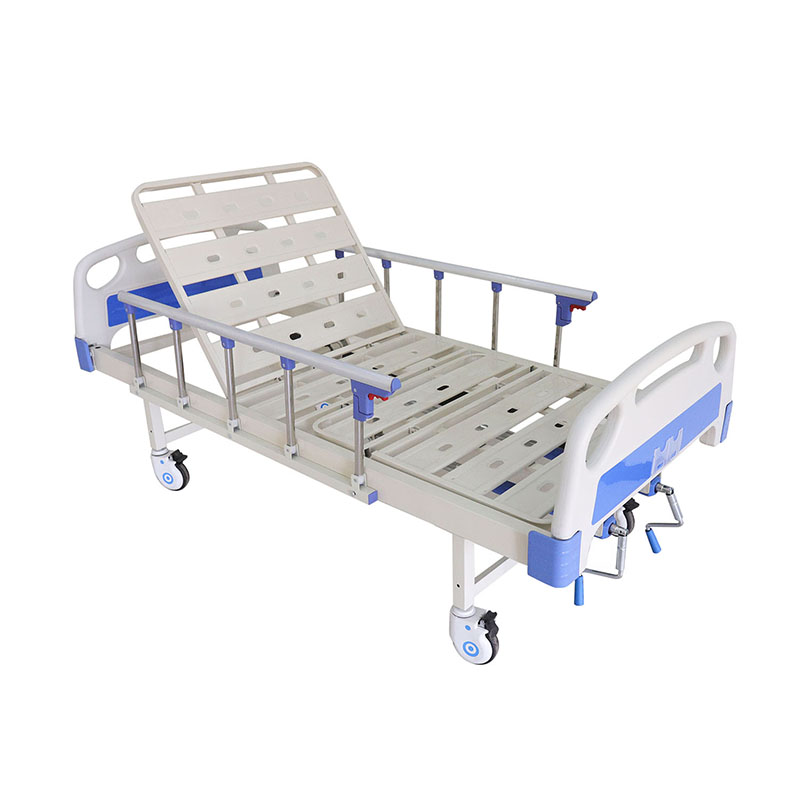
How Does Medical Bedding Work Together with Hospital Beds?
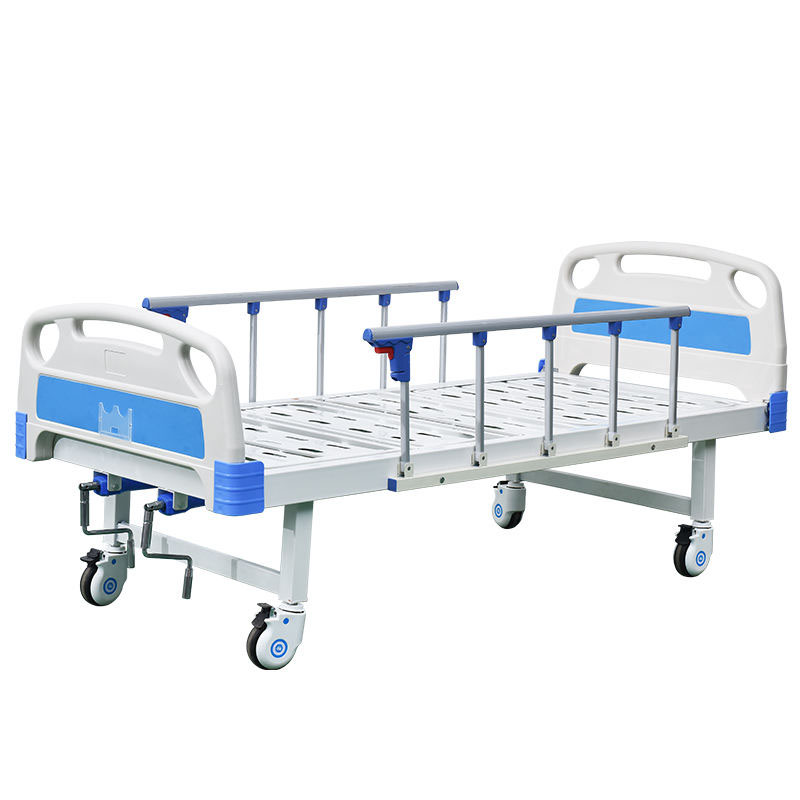
Hospital beds and bedding should function as a coordinated system.
Supporting Bed Adjustability
Modern hospital beds offer multiple positioning options.
Medical bedding must accommodate:
- Head elevation
- Elevación de las piernas
- Posición de Trendelenburg
- Height adjustments
Improving Patient Positioning
Proper bedding helps maintain patient comfort during repositioning procedures.
Enhancing Clinical Outcomes
Together, hospital beds, mattresses, and bedding contribute to:
- Better comfort
- Improved safety
- Reduced pressure injury risks
- Enhanced recovery environments
Healthcare facilities that invest in high-quality hospital beds should also prioritize compatible bedding solutions.
What Should Healthcare Buyers Consider When Purchasing Medical Bedding?
Healthcare procurement professionals must evaluate multiple factors.
Confort
Comfort directly affects patient experiences and satisfaction.
Durabilidad
Medical bedding must withstand intensive use and repeated laundering cycles.
Infection Control Compatibility
Products should support healthcare hygiene protocols.
Moisture Management
Effective moisture control helps protect patient skin.
Breathability
Breathable materials improve temperature regulation and comfort.
Cost Effectiveness
Purchasing decisions should consider total ownership costs rather than only initial prices.
Factors include:
- Vida útil del producto
- Frecuencia de sustitución
- Gastos de mantenimiento
- Operational efficiency
Supplier Reliability
Healthcare providers should work with trusted manufacturers capable of delivering consistent quality and reliable supply.
For global buyers, experienced manufacturers such as Jcare can provide dependable medical bedding and healthcare furniture solutions that support hospital operations and patient care objectives.
Why Will Medical Bedding Become Even More Important in the Future?
Several healthcare trends are increasing the importance of medical bedding.
Aging Populations
Global populations are aging rapidly.
Older patients often require longer periods of care and specialized comfort solutions.
Growth of Home Healthcare
More patients are receiving treatment outside traditional hospital settings.
This creates greater demand for professional-quality medical bedding products.
Increased Focus on Patient Experience
Healthcare organizations increasingly recognize patient satisfaction as a critical success factor.
Advances in Healthcare Technology
Innovative bedding materials continue to improve comfort, durability, and infection control performance.
These developments will likely make medical bedding an even more valuable component of healthcare delivery.
How Can Medical Bedding Reduce Healthcare Costs?
Although some healthcare buyers focus primarily on upfront pricing, high-quality medical bedding often generates long-term savings.
Reducing Replacement Frequency
Durable medical bedding lasts longer than lower-quality alternatives.
This reduces procurement expenses over time.
Supporting Pressure Injury Prevention
Pressure injuries can significantly increase treatment costs.
Bedding that helps reduce pressure injury risks may contribute to lower healthcare expenditures.
Improving Operational Efficiency
Easy-care bedding reduces labor requirements related to maintenance and replacement.
Enhancing Patient Outcomes
Better patient outcomes can reduce hospital stays and improve resource utilization.
As a result, investing in quality medical bedding can provide measurable financial benefits for healthcare facilities.
Conclusión
Medical bedding is far more than a simple healthcare accessory. It plays a crucial role in patient comfort, sleep quality, pressure injury prevention, infection control, temperature regulation, and overall recovery. Whether used in hospitals, rehabilitation centers, nursing homes, or home care environments, high-quality medical bedding contributes to safer, more comfortable, and more effective patient care. For healthcare providers seeking to improve patient outcomes and operational efficiency, investing in the right bedding solutions is an essential part of modern healthcare delivery. If you found this article helpful, feel free to share it with colleagues, healthcare professionals, and procurement teams, and leave your thoughts or questions in the comments section.