
Many families, hospitals, and nursing homes wonder whether low height medical beds are truly necessary for elderly care. Choosing an unsuitable bed can increase fall risks, reduce patient comfort, and create caregiving difficulties. Low height medical beds solve these issues by improving safety, accessibility, and comfort, making elderly care more secure and efficient in both medical facilities and home environments.
Low height medical beds are specially designed beds that position elderly patients closer to the floor to reduce fall injuries and improve accessibility. They enhance patient safety, increase caregiver efficiency, improve comfort, and simplify transfers for seniors with limited mobility. Their adjustable height systems, ergonomic designs, and safety features make them ideal for hospitals, nursing homes, rehabilitation centers, and home care settings.
Understanding the functions, benefits, and purchasing considerations of low height medical beds helps buyers make safer and more cost-effective elderly care decisions.
Understanding Low Height Medical Beds
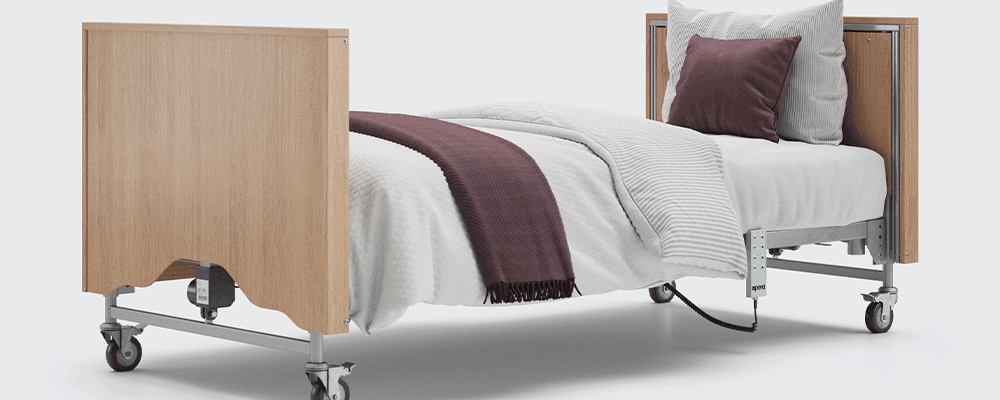
A low height medical bed is an adjustable care bed designed to lower much closer to the floor than standard hospital beds. The main purpose is to improve elderly safety and reduce injuries caused by accidental falls.
These beds are commonly used for:
- Pacientes de edad avanzada
- Pacientes en rehabilitación
- Long-term care residents
- Dementia patients
- Individuals with mobility limitations
Most low height medical beds include electric adjustment systems, safety side rails, locking casters, and pressure relief mattress support.
Compared with traditional hospital beds, low height models focus more heavily on accessibility and fall prevention.
Why Elderly Care Requires Low Height Medical Beds
Tereno
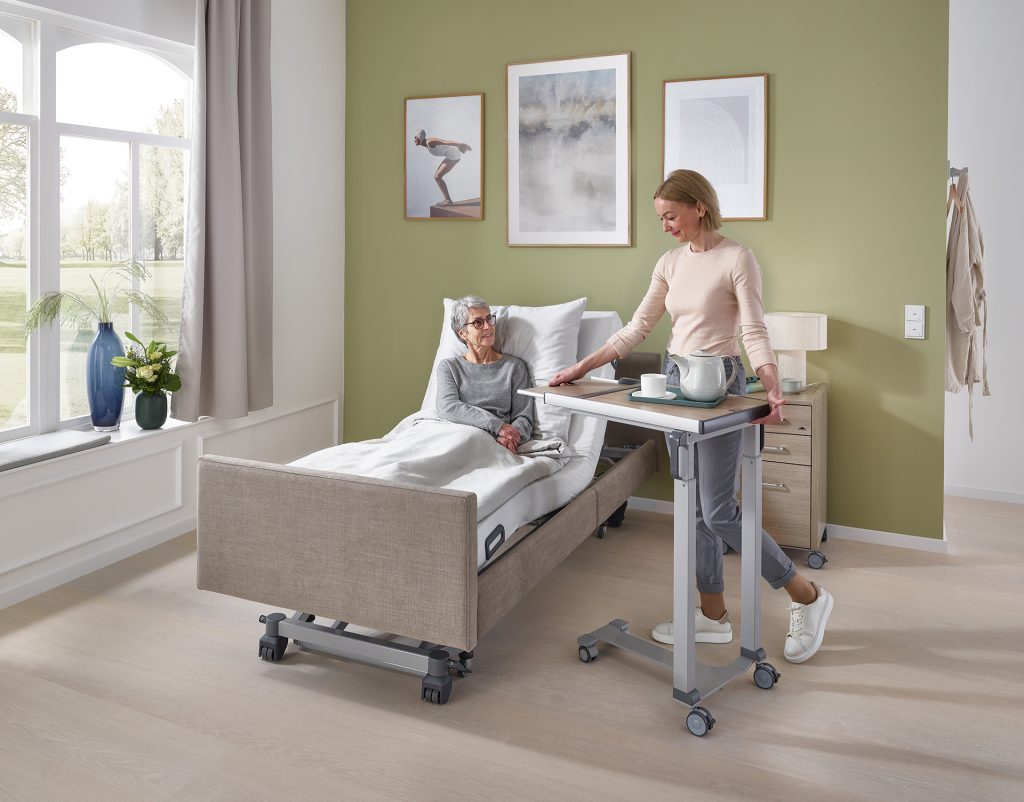
As people age, physical strength, balance, and mobility gradually decline. Standard hospital beds may sit too high for elderly patients, making transfers difficult and dangerous.
Low height medical beds help create a safer and more comfortable care environment.
Lower Fall Risks
Falls remain one of the leading causes of injury among elderly individuals. A lower sleeping surface minimizes the severity of injuries if a patient accidentally falls from the bed.
This is especially important for patients with:
- Balance disorders
- Parkinson’s disease
- Dementia
- Stroke recovery conditions
- Post-surgical weakness
Reducing fall height can help decrease fractures, head trauma, and emergency hospitalizations.
Easier Bed Transfers
Low height beds simplify movement between the bed and:
- Sillas de ruedas
- Caminantes
- Elevadores de pacientes
- Bedside commodes
This improves both patient independence and caregiver efficiency.
Greater Emotional Comfort
Many elderly patients feel nervous using high medical beds. A lower bed height creates a greater sense of stability and security, improving confidence during daily movement.
Key Features to Consider Before Buying
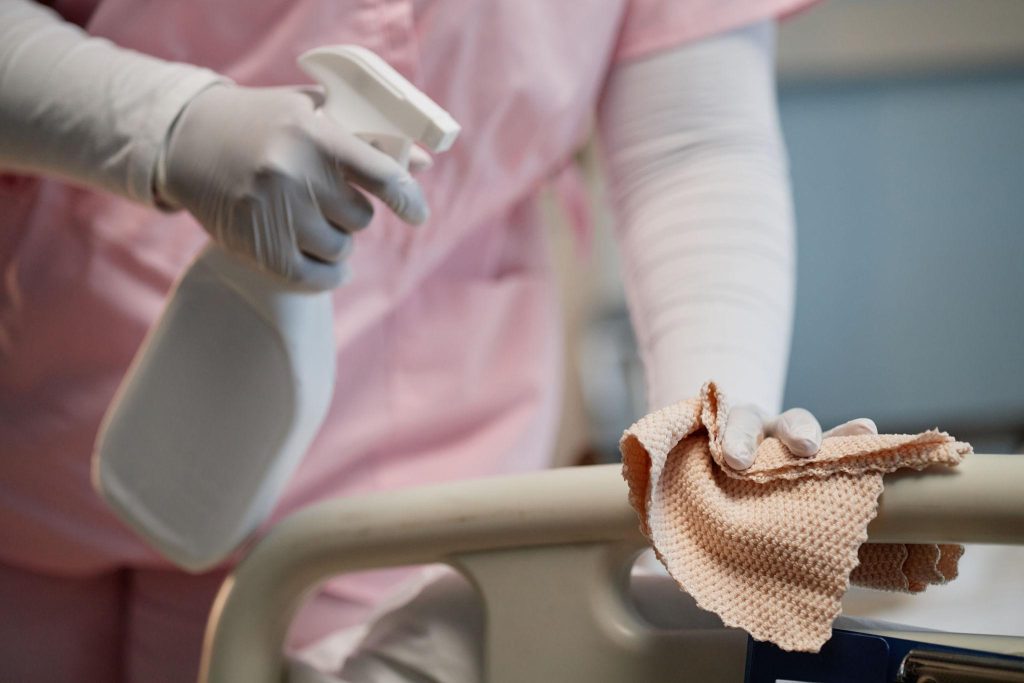
Choosing the right low height medical bed requires evaluating functionality, durability, and patient safety.
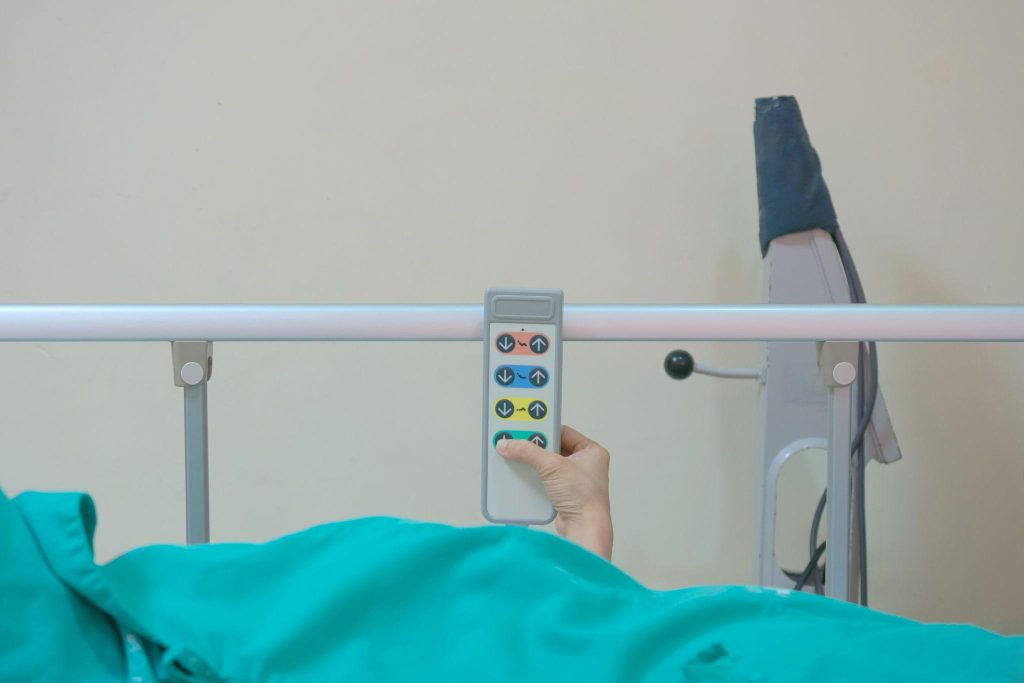
Ajuste eléctrico de la altura
Electric adjustment systems allow caregivers to raise or lower the bed smoothly.
Los beneficios incluyen:
- Easier caregiving
- Reduced physical strain
- Improved patient positioning
- Faster emergency response
Popular configurations include:
- 3-function electric beds
- 5-function electric beds
- Fully electric low height beds
Many advanced models also support backrest elevation and leg adjustment.
Safety Side Rails
Side rails help prevent accidental falls during sleep or movement.
Common rail options include:
- Barandillas laterales ABS
- Aluminum alloy foldable rails
- Raíles de longitud completa
- Split safety rails
Some premium designs include angle indicators for easier positioning control.
Stable Casters and Locking Systems
Medical bed mobility is essential in hospitals and care facilities.
High-quality low height beds often feature:
- Silent medical casters
- Sistemas de cierre centralizado
- Double-sided brake controls
- Anti-slip wheels
These systems improve transport safety and overall bed stability.
Pressure Relief Mattress Support
Elderly patients who remain in bed for extended periods are vulnerable to pressure sores.
Suitable mattress options may include:
- PU-covered mattresses
- Pressure relief foam
- Colchones hinchables
- High-density sponge support
Comfortable mattress systems help improve circulation and sleeping quality.
How Low Height Beds Improve Caregiver Efficiency
Low height medical beds provide major advantages not only for patients but also for caregivers and medical staff.
Caregivers frequently assist elderly patients with:
- Repositioning
- Feeding
- Cleaning
- Bathing
- Wound care
Electric adjustment systems allow the bed to rise during treatment and lower afterward for patient safety. This reduces back strain and workplace injuries for caregivers.
Hospitals and nursing homes also benefit from:
- Faster patient handling
- Improved workflow efficiency
- Reduced staff fatigue
- Traslados más seguros de los pacientes
These improvements become increasingly valuable in long-term elderly care facilities.
Benefits for Home Care Environments
Low height medical beds are becoming increasingly popular in home care because they combine professional medical functions with easier daily usability.
Safer Home Mobility
Family caregivers often lack professional lifting equipment. Low height beds reduce movement difficulty and improve transfer safety inside the home.
More Comfortable Living Environment
Modern home care beds often feature:
- Wooden headboards
- Quiet motor systems
- Softer appearance designs
- Smooth electric adjustment
These features help reduce the clinical feeling of home care environments.
Improved Independence for Seniors
Many elderly individuals still maintain partial mobility. Low height beds make it easier to:
- Sit independently
- Stand safely
- Access wheelchairs
- Move during nighttime
This helps preserve confidence and quality of life.
Comparing Low Height Beds with Standard Hospital Beds
Although both types serve medical purposes, low height beds are specifically optimized for elderly safety and accessibility.
| Característica | Low Height Medical Bed | Standard Hospital Bed |
|---|---|---|
| Minimum Height | Very low to floor | Higher overall |
| Fall Prevention | Excellent | Moderate |
| Elderly Accessibility | Easier | Less convenient |
| Home Care Suitability | High | Moderate |
| Safety Focus | Specialized for elderly care | General medical use |
| Transfer Convenience | Better wheelchair compatibility | Standard support |
Low height beds are particularly suitable for long-term elderly care and rehabilitation environments.
Which Elderly Patients Benefit Most?
Several patient groups benefit significantly from low height medical beds.
Patients with limited mobility often require safer transfer support during daily movement.
Dementia and Alzheimer’s patients may attempt to leave the bed unexpectedly, making lower bed heights especially important for injury prevention.
Rehabilitation patients recovering from surgery, fractures, or stroke also benefit from adjustable positioning and easier transfers.
Long-term bedridden patients gain additional comfort and pressure relief support, helping reduce complications related to prolonged immobility.
Important Safety Considerations
Safety should always remain the top priority when selecting elderly care beds.
Key safety features include:
- Barandillas laterales fiables
- Emergency lowering systems
- Stable carbon steel frames
- Central brake systems
- High weight capacity support
Some heavy-duty models can support patient weights up to 250 kg, depending on the design and configuration.
Strong structural stability improves long-term durability and patient protection.
Choosing the Right Medical Bed Supplier
Selecting a reliable supplier is just as important as choosing the correct bed model.
Experienced manufacturers typically provide:
- Un mejor control de calidad
- Stable production systems
- Asistencia técnica
- Plazos de entrega más rápidos
Buyers should also verify compliance with international medical certifications required in their target markets.
Customization capabilities are important because different countries may require different:
- Voltage systems
- Rail styles
- Mattress types
- Dimensiones de la cama
- Control systems
Suppliers with strong inventory capacity and efficient production systems can better support urgent hospital projects and large wholesale orders.
Why Chinese Manufacturers Are Popular Globally
China has become one of the leading global suppliers of medical beds and elderly care equipment.
Many international buyers choose Chinese manufacturers because of:
- Competitive factory pricing
- Mature manufacturing systems
- Gran capacidad de producción
- OEM and ODM services
- Stable export experience
Chinese medical bed suppliers export extensively to:
- India
- Sudeste asiático
- Europa
- Oriente Medio
- EE.UU.
- Japón
- Corea del Sur
Strong export experience helps improve international logistics, compliance handling, and delivery efficiency.
For wholesalers and distributors, reliable Chinese manufacturers can provide both cost advantages and stable long-term supply support.
Conclusión
Low height medical beds play an increasingly important role in elderly care by improving patient safety, reducing fall injuries, enhancing caregiver efficiency, and increasing long-term comfort. Their adjustable height systems, ergonomic structures, and safety-focused designs make them ideal for hospitals, nursing homes, rehabilitation centers, and home care environments.
As global demand for elderly care equipment continues growing, healthcare providers and distributors should carefully evaluate safety features, manufacturing quality, comfort, and supplier reliability before making purchasing decisions.
If you have experience sourcing or using low height medical beds, feel free to share your thoughts or discuss your elderly care project requirements further.