
Hospitals often ask how to improve nursing efficiency amid staff shortages, rising patient loads, and increasing care complexity. These challenges can slow workflows and increase caregiver fatigue, affecting both safety and service quality. As healthcare demands intensify, inefficient equipment becomes a hidden burden on nursing performance. Modern hospital beds offer a practical solution by streamlining patient handling, reducing physical strain, and improving workflow speed across clinical environments.
Modern hospital beds improve nursing efficiency by reducing manual patient handling, accelerating routine care tasks, enhancing patient safety, and integrating ergonomic and smart features that streamline workflows. These beds minimize physical strain on nurses, shorten procedure time, and support faster clinical decision-making, ultimately allowing healthcare staff to care for more patients with greater accuracy and less fatigue.
Modern healthcare depends on efficiency. Hospital beds play a key role in achieving it.
People also ask: How do hospital beds improve nursing efficiency in daily clinical operations?
Hospital beds improve nursing efficiency by transforming physically demanding tasks into automated or assisted processes, reducing time spent on manual adjustments and patient repositioning. This allows nurses to focus more on clinical care and less on physical labor.
Modern hospital environments require nurses to handle multiple patients simultaneously. Without efficient equipment, even simple tasks such as adjusting posture, conducting examinations, or transferring patients can consume significant time and energy.
Advanced hospital beds address these challenges by integrating adjustable positioning systems, mobility features, and ergonomic controls that streamline daily workflows.
Reducing Physical Workload and Nurse Fatigue
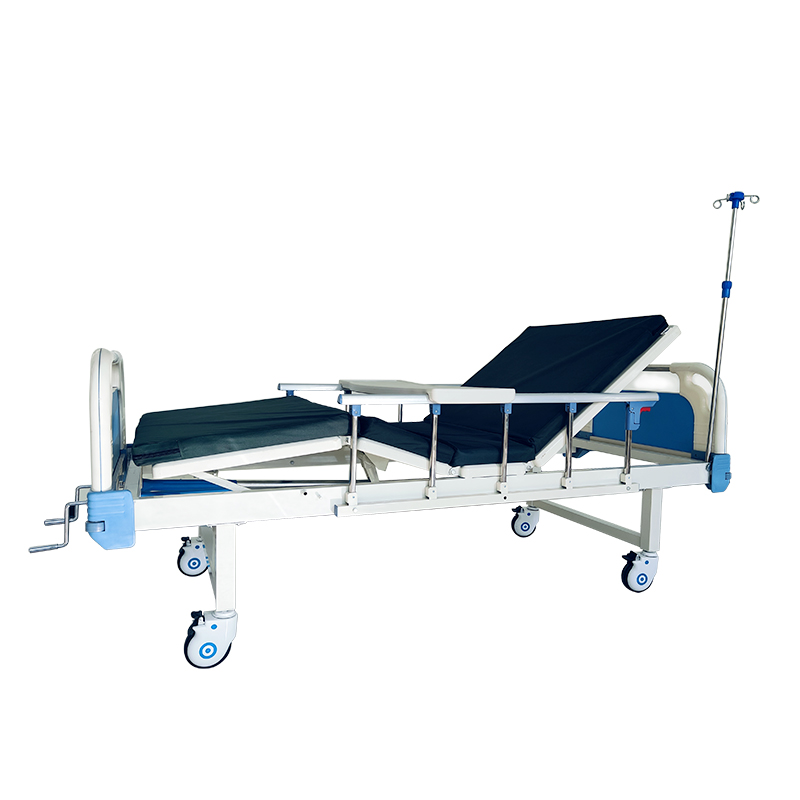
One of the most significant factors affecting nursing efficiency is physical fatigue. Nurses frequently lift, reposition, or assist patients, which can lead to musculoskeletal injuries over time.
Modern hospital beds reduce this burden in several ways:
Electric Adjustment Systems
Electric height and angle adjustments allow nurses to reposition patients without manual lifting. This reduces strain on the back, shoulders, and arms.
Assisted Turning and Positioning
Beds equipped with motorized functions help change patient positions smoothly. This is especially useful for immobile or elderly patients requiring frequent repositioning.
Lower Risk of Occupational Injury
By minimizing manual handling, hospital beds significantly reduce workplace injuries, leading to fewer sick leaves and more consistent staffing levels.
As a result, nurses maintain higher energy levels throughout their shifts, improving overall productivity.
Improving Speed and Efficiency in Routine Care Tasks
Efficiency in nursing is not only about reducing physical effort—it is also about saving time in daily procedures.
Faster Patient Access
Adjustable beds allow nurses to bring patients to optimal working height, making procedures like injections, wound dressing, and examinations faster and more comfortable.
Streamlined Workflow Design
Modern beds are designed with intuitive control panels, allowing quick adjustments without needing additional assistance or tools.
Reduced Setup Time
In traditional settings, preparing a patient for treatment can take several minutes. Advanced beds reduce this time significantly, allowing nurses to move between patients more efficiently.
Even small time savings per procedure can accumulate into substantial efficiency improvements across an entire hospital ward.
Enhancing Patient Safety and Reducing Nursing Interventions
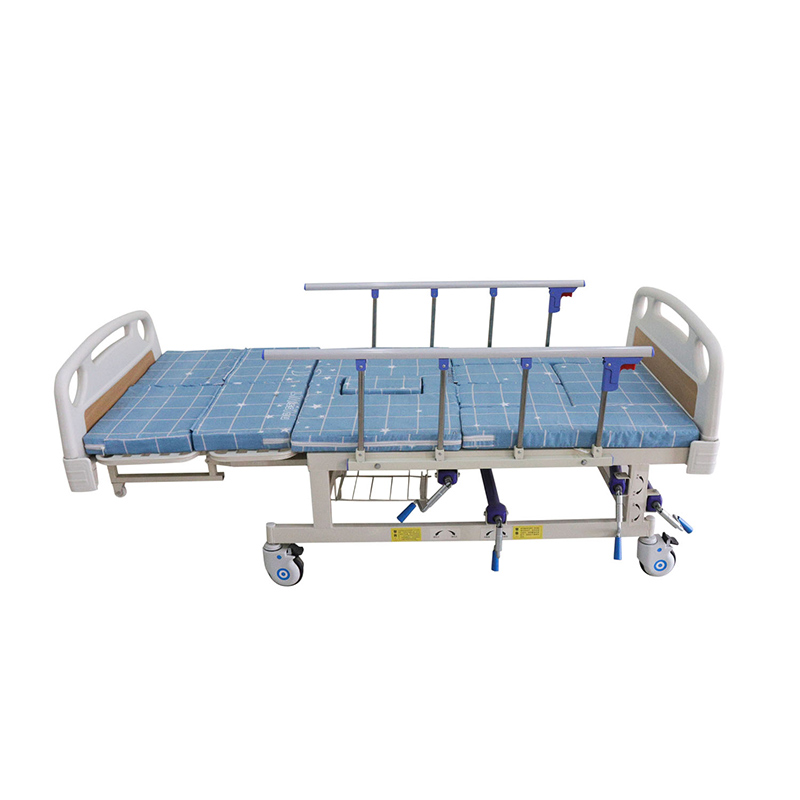
Patient safety is closely linked to nursing workload. The safer the environment, the fewer emergency interventions are required.
Fall Prevention Features
Modern beds include side rails, low-height settings, and bed exit alarms to prevent patient falls. This reduces the need for constant monitoring.
Prevención de úlceras por presión
Frequent repositioning is essential to prevent bedsores. Automated or semi-automated bed functions help achieve this without requiring constant manual intervention.
Stable Locking and Mobility Control
Secure wheel-lock systems ensure stability during treatment, reducing accidental movement and related risks.
When safety improves, nurses spend less time managing preventable incidents and more time on direct care.
What features of hospital beds increase nursing efficiency the most?
The most impactful features include electric height adjustment, multi-position controls, mobility systems, safety rails, and integrated monitoring compatibility. These features reduce manual workload, improve workflow speed, and enhance patient safety simultaneously.
Among all innovations, electric adjustment and mobility systems provide the greatest efficiency gains because they directly reduce physical strain and save time in nearly every patient interaction.
Supporting Emergency Care and Critical Response Speed
In emergency and critical care environments, speed is essential. Hospital beds are central to rapid response workflows.
Quick Emergency Positioning
Beds can be adjusted instantly into CPR or treatment positions, allowing immediate intervention without delays.
Fast Patient Transport
High-quality beds are equipped with smooth-rolling wheels and reliable braking systems, enabling quick movement between departments such as ICU, surgery, and imaging.
Integrated Medical Equipment Support
Modern beds can hold IV stands, monitors, and oxygen systems, reducing setup time during emergencies.
These features ensure nurses can respond quickly and efficiently in high-pressure situations.
Improving Workflow Coordination in Healthcare Teams
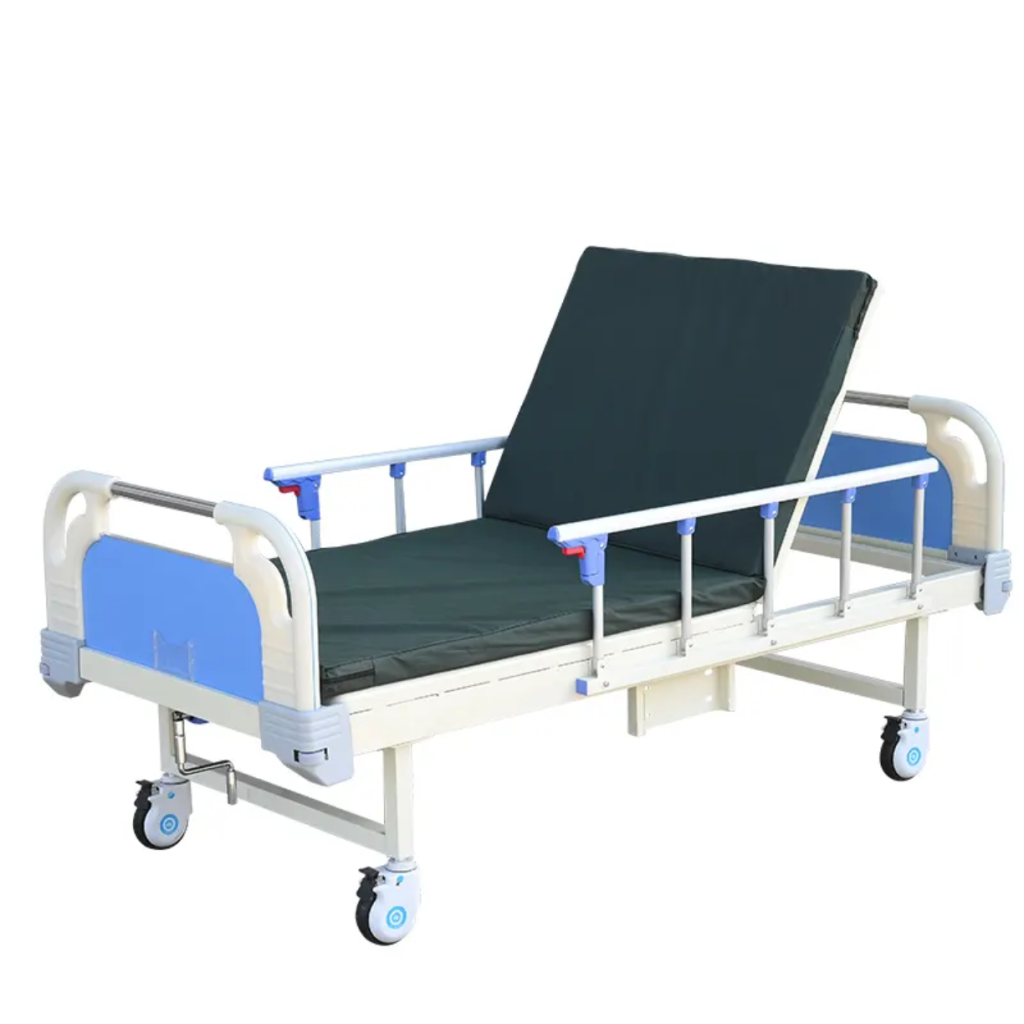
Nursing efficiency is also influenced by communication and coordination within medical teams.
Centralized Control Systems
Some advanced beds allow nurses to control multiple settings from a single interface, reducing time spent adjusting equipment manually.
Better Patient Accessibility
Adjustable positioning improves access for doctors and nurses during examinations and procedures, reducing delays in care delivery.
Enhanced Observation Capability
Proper positioning allows better patient monitoring, enabling early detection of complications.
This improves team coordination and reduces unnecessary duplication of work.
Supporting Digital Integration and Smart Hospital Systems
Modern healthcare is increasingly digital. Hospital beds are evolving into connected medical devices.
Real-Time Patient Monitoring
Some beds integrate with monitoring systems to track vital signs and movement patterns.
Reduced Documentation Workload
Automated data collection reduces manual charting, freeing nurses to focus on patient care.
Hospital System Connectivity
Beds can connect to hospital information systems, improving communication between departments.
This digital integration significantly reduces administrative burden on nursing staff.
People also ask: Do hospital beds really reduce nursing workload?
Yes, hospital beds significantly reduce nursing workload by automating physical tasks, improving patient safety, and reducing time spent on manual adjustments. They allow nurses to manage more patients efficiently while maintaining high care standards.
In many healthcare environments, upgrading hospital beds is one of the fastest ways to improve operational efficiency without increasing staff numbers.
Cost Efficiency and Long-Term Operational Benefits
While hospital beds represent an upfront investment, they provide long-term financial benefits.
Reduced Staffing Pressure
Efficient beds allow nurses to manage larger patient volumes without sacrificing care quality.
Lower Injury-Related Costs
Fewer nurse injuries mean reduced compensation costs and improved staff retention.
Longer Equipment Lifespan
High-quality hospital beds require less frequent replacement and maintenance.
For hospitals and clinics, this results in measurable long-term cost savings.
Why Global Healthcare Providers Are Upgrading Hospital Beds
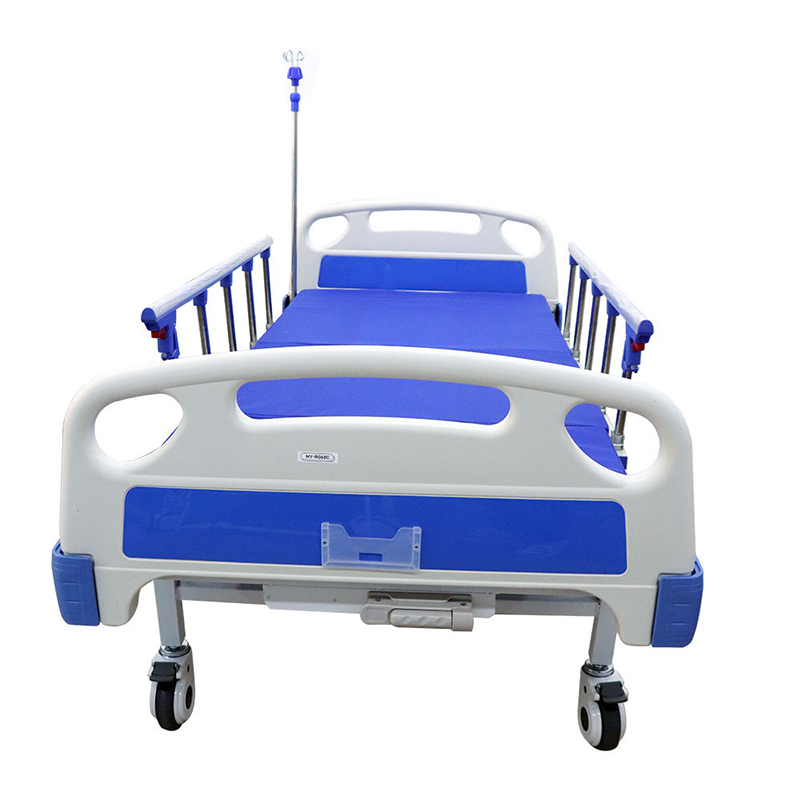
Healthcare institutions across India, the Middle East, Southeast Asia, Europe, the USA, Japan, and South Korea are upgrading their hospital bed systems due to:
- Rising patient demand
- Nursing workforce shortages
- Higher safety standards
- Demand for operational efficiency
- Focus on patient-centered care
Manufacturers such as Jcare, a China-based supplier with a 3000㎡ production facility, support this global demand by providing hospital beds, rehabilitation equipment, and medical furniture with factory pricing, stable inventory, and fast delivery cycles. This helps healthcare providers upgrade efficiently while maintaining budget control.
The Future of Nursing Efficiency and Hospital Beds
The next generation of hospital beds will continue to enhance nursing efficiency through advanced technologies:
- AI-assisted patient positioning
- Predictive safety alerts
- Remote bed control systems
- Enhanced IoT connectivity
- Automated mobility systems
These innovations will further reduce manual workload and improve clinical decision-making speed.
Conclusión
Hospital beds are no longer passive medical furniture—they are essential tools that directly influence nursing efficiency, patient safety, and healthcare productivity. By reducing physical strain, improving workflow speed, supporting emergency response, and integrating with digital systems, modern hospital beds play a critical role in shaping efficient healthcare environments.
Healthcare providers that invest in advanced hospital bed systems can significantly improve nursing performance and overall operational effectiveness.
If you found this topic useful, feel free to share your thoughts or experiences in the comments—your insights may help others in the healthcare field make better decisions.