
Hospital staff may use electric beds every day, yet different controls, brakes, side rails, and positioning functions can still cause confusion. Inconsistent training may lead to operating errors, equipment damage, or avoidable safety risks. A structured, model-specific program helps staff use electric hospital beds confidently during routine care.
Hospital staff should learn electric hospital bed operation through model-specific instruction, live demonstrations, supervised practice, safety scenarios, and competency checks. Training should cover bed controls, height and backrest adjustment, brakes, side rails, patient controls, transfers, power failure procedures, cleaning, inspection, and fault reporting. Staff should also follow the manufacturer’s instructions and the hospital’s clinical and safety policies.
Effective training is not just about memorizing buttons. Staff need to understand what each function does, when to use it, and what to check before moving the bed.
Why Is Electric Hospital Bed Training Important?
Electric hospital beds support positioning, nursing tasks, transfers, and daily care. However, layouts and functions vary between models. One bed may use a simple handset, while another includes nurse controls, lockouts, central braking, battery backup, or additional powered positions.
The FDA describes a hospital bed as a system that can include the frame, mattress, side rails, head and foot boards, and accessories. It also recommends considering the complete bed system and individual patient risks when developing bed-safety practices.
Standardized Training Reduces Operating Differences
Without a defined program, staff may copy coworkers and develop different habits between shifts or departments.
Standardized training gives employees the same baseline for controls, brakes, rails, inspection, fault reporting, load limits, electrical requirements, mattresses, and compatible accessories.
What Should Staff Learn Before Operating the Bed?
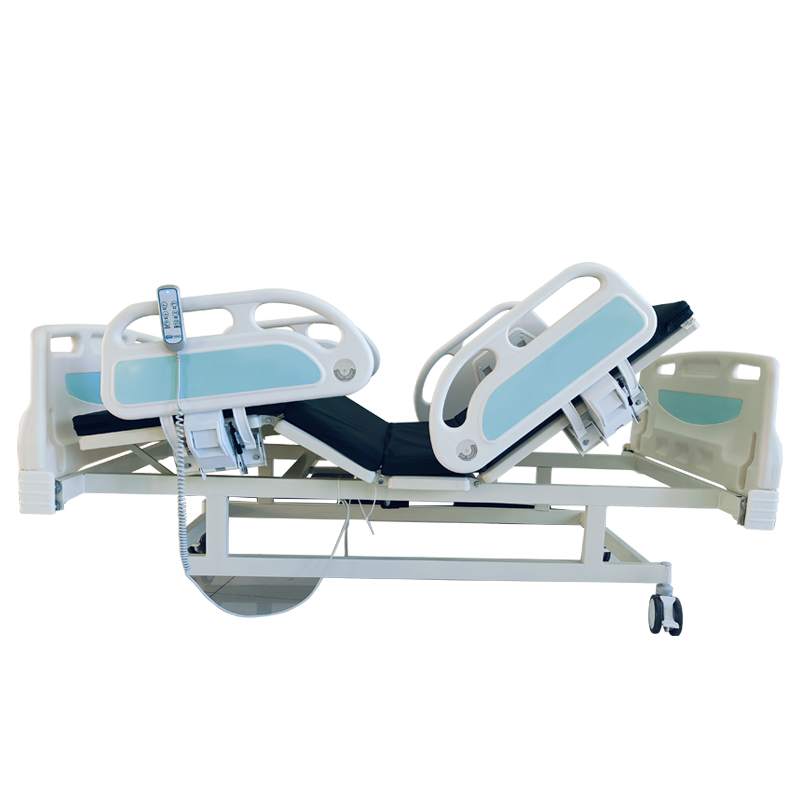
Before powered functions are demonstrated, the trainer should introduce the main components, including the moving deck sections, side rails, casters, brakes, handset, nurse panel, power cable, battery indicator where equipped, and accessory points.
Learn the Controls and Lockout Functions
Demonstrate one control at a time. Show which bed section moves, how to start and stop movement, and which controls belong to patients or staff.
Typical functions may include bed height, backrest adjustment, leg-section adjustment, and other powered positions. If the bed includes lockouts, employees should know how they work and when hospital policy requires them.
Training materials should match the exact model because generic diagrams can confuse staff when several bed types are used.
Check the Area Before Moving the Bed
Before powered movement, staff should check around and beneath the bed. Cables, tubes, furniture, medical equipment, or patient limbs should not interfere with moving components.
A simple habit should be reinforced during every exercise: check first, then adjust.
How Should Basic Electric Bed Functions Be Taught?
A useful sequence is explanation, demonstration, supervised practice, and independent return demonstration. Each trainee should physically operate the bed.
Practice Height, Backrest, and Leg Adjustment
Begin with the functions staff use most often. Ask the trainee to raise and lower the bed, adjust the backrest, and operate the leg section. Additional powered positions can be introduced separately.
The trainer should explain why each movement is used. Bed height may support nursing work or transfers, while backrest and leg positions may assist different care activities. Appropriate positioning still depends on clinical assessment and facility procedures.
Train Brakes and Casters Separately
Staff should learn whether the model has individual caster brakes, linked brakes, central braking, directional locking, or another system. They should practice applying, releasing, and verifying the brake.
Staff should know how the bed is prepared for transport and secured afterward, and confirm stability before transfers.
How Should Staff Be Trained to Use Side Rails?
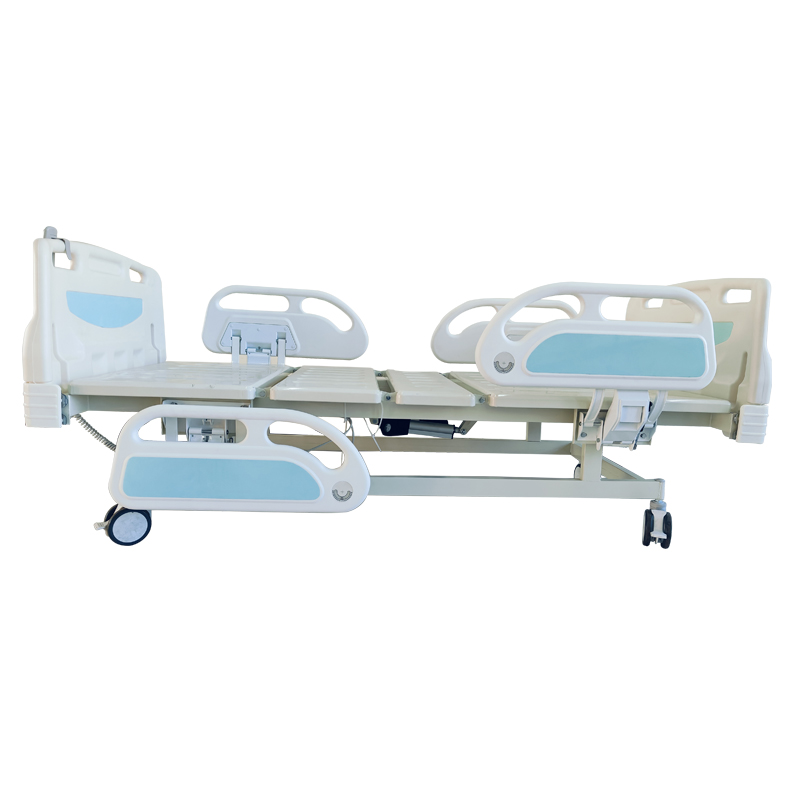
Side rails may look simple, but release mechanisms, locking systems, rail lengths, and movement patterns can differ between models.
Teach Operation and Entrapment Awareness
Each trainee should practice raising and lowering the rails and confirming that they lock correctly.
The FDA notes that rails can create entrapment and other risks for some patients and recommends assessing individual needs rather than treating rails as appropriate in every situation.
Staff should separate two questions: how the rail operates and whether the patient should use it. The first is an equipment skill; the second depends on clinical assessment and hospital policy.
Loose rails, damaged latches, unusual gaps, or poor mattress fit should be reported promptly.
How Can Training Cover Patient Transfers?
Bed operation is easier to remember when connected with complete patient-care workflows.
Use Simulated Transfer Scenarios
A trainer can create a bed-to-chair or bed-to-stretcher exercise. The trainee checks the environment, adjusts and secures the bed, manages the side rail, checks nearby cables, and returns the bed to the required position afterward.
The transfer method should follow hospital policy and individual patient needs.
Scenario training can expose mistakes that button-by-button demonstrations miss, such as forgetting to verify the brake during a multi-step transfer.
What Should Staff Do During Power Failures or Malfunctions?
Electric beds depend on powered components, so training must explain what happens when normal operation is interrupted.
Teach Model-Specific Emergency Procedures
Hospitals should determine exactly what the purchased model can do without mains power. Some beds may include battery backup or emergency functions, while others have different limitations.
Staff should know whether backup power is available, how battery status is displayed, which functions remain available, and who to contact when normal operation cannot be restored.
If a handset, cable, plug, actuator, brake, side rail, or structural component appears damaged, employees should follow the facility’s fault-reporting procedure rather than attempt unauthorized repairs.
What Cleaning and Inspection Training Is Needed?
Environmental services and equipment teams also need role-specific bed training.
Build a Simple Inspection Routine
Before or after use, staff can check the power cable, controls, rails, brakes, casters, mattress, frame, and visible accessories for obvious damage.
Cleaning teams should know which surfaces can be disinfected, what electrical precautions are required, and which cleaning products are permitted by the manufacturer.
The FDA recommends checking hospital bed mattress covers for cuts, tears, cracks, pinholes, stains, and other signs of damage or wear, and replacing damaged covers according to applicable procedures.
Staff should recognize abnormal conditions and know where to report them.
What Is the Best Method for Training Hospital Staff?
A classroom lecture can introduce the equipment, but practical training is essential for a device employees must physically operate.
Use Train-the-Trainer and Return Demonstration
Hospitals purchasing multiple beds can first train clinical educators, biomedical staff, supervisors, or designated “super users.” These trainers can then teach other employees using the same model-specific materials.
Useful resources include a control-panel guide, quick-reference sheet, cleaning guide, emergency instructions, and competency checklist.
After demonstration, each trainee should repeat the main tasks without continuous prompting. Useful scenarios include bed adjustment, transfer preparation, brake verification, rail operation, power interruption, and post-use inspection.
Match Training to Staff Roles
Training depth should match job responsibilities. Nurses usually need positioning, controls, brakes, rails, transfers, lockouts, and emergency operation. Transport teams should focus more on casters, brakes, cables, and movement. Cleaning staff need disinfection and damage-reporting guidance, while biomedical teams require deeper maintenance and repair training.
How Should Hospitals Assess Staff Competency?
Attendance does not automatically prove that an employee can operate an electric bed correctly.
A practical checklist can verify the key tasks:
| Training Area | Staff Should Demonstrate |
|---|---|
| Controls | Identify and operate required functions |
| Bed height | Raise and lower correctly |
| Backrest/leg section | Adjust and stop movement |
| Brakes | Apply, release, and verify |
| القضبان الجانبية | Operate and confirm locking |
| Transfers | Prepare the bed according to policy |
| Power failure | Follow model-specific procedure |
| Inspection | Recognize visible faults |
| التنظيف | Follow approved instructions |
| Fault reporting | Explain the escalation process |
Hospitals can document completed assessments according to their own procedures. Refresher training may be useful when new models arrive, controls change, employees move between departments, or repeated operating errors are identified.
What Should Buyers Ask Hospital Bed Suppliers?
Training should be considered during procurement, not only after the beds arrive.
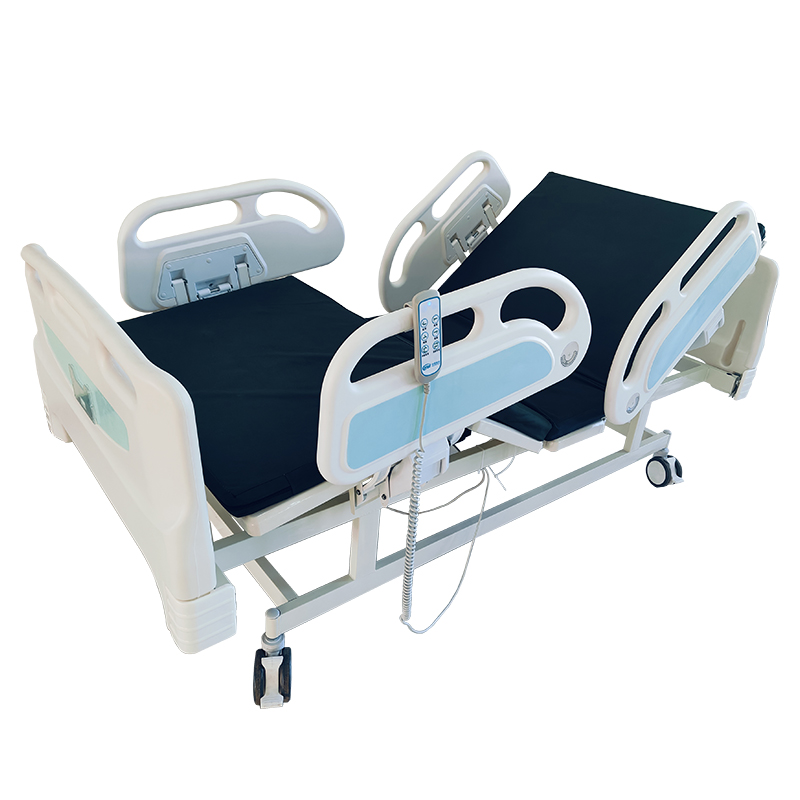
Before a bulk order, buyers can request operating manuals, specifications, control explanations, mattress and accessory information, cleaning instructions, maintenance documents, spare-parts information, and training materials.
When several models are purchased, each may need its own quick-reference guide, especially for distributors or hospital groups deploying beds across multiple locations.
How Can Jcare Support Electric Hospital Bed Procurement?
Jcare supplies hospital beds, home care beds, rehabilitation products, other medical furniture, and medical bed accessories for B2B and wholesale buyers.
Hospitals, clinics, distributors, and medical bed purchasers should compare control layout, side rails, braking systems, casters, accessories, maintenance needs, documentation, and staff usability—not only the number of electric functions.
Jcare serves markets including India, the Middle East, Southeast Asia, Europe, the United States, Japan, and South Korea. Factory pricing, ample stock, short delivery times, and customization options can support bulk procurement.
Before ordering, buyers can define required functions, dimensions, load capacity, rail and caster systems, mattress, accessories, electrical specifications, packaging, and documentation. Clear specifications also make staff training more consistent.
الخاتمة
Training hospital staff to use electric hospital beds should be a structured competency process, not a one-time explanation of the control panel. Employees need model-specific instruction covering powered positioning, brakes, side rails, transfers, emergency procedures, cleaning, inspection, and fault reporting.
Hands-on practice, realistic scenarios, return demonstrations, and role-based instruction help convert product knowledge into reliable daily habits. Hospitals should also consider training needs during procurement by requesting clear operating, safety, and maintenance documentation from suppliers.
Which electric hospital bed functions create the most training challenges in your hospital or market? Share your experience in the comments, and share this guide with hospital purchasers, nursing teams, and medical equipment distributors who may find it useful.