
International buyers often focus on hospital bed prices, functions, and delivery dates but overlook container loading until the order is ready to ship. Poor planning can waste space, increase freight costs, damage products, and delay installation. A well-organized loading plan helps buyers control landed costs while ensuring that beds and accessories arrive safely.
To load hospital beds efficiently, confirm final packed dimensions, select the correct container, agree on the disassembly method, load heavy frames first, protect painted and electrical parts, distribute weight evenly, secure all packages, and verify the packing list with loading photos. Early coordination with the manufacturer and freight forwarder reduces wasted space, transport damage, and unexpected charges.
Container loading is not simply a warehouse task. It is an important part of international procurement. The following guidance helps buyers improve shipping efficiency and delivery quality.
Why Hospital Bed Container Loading Requires Careful Planning
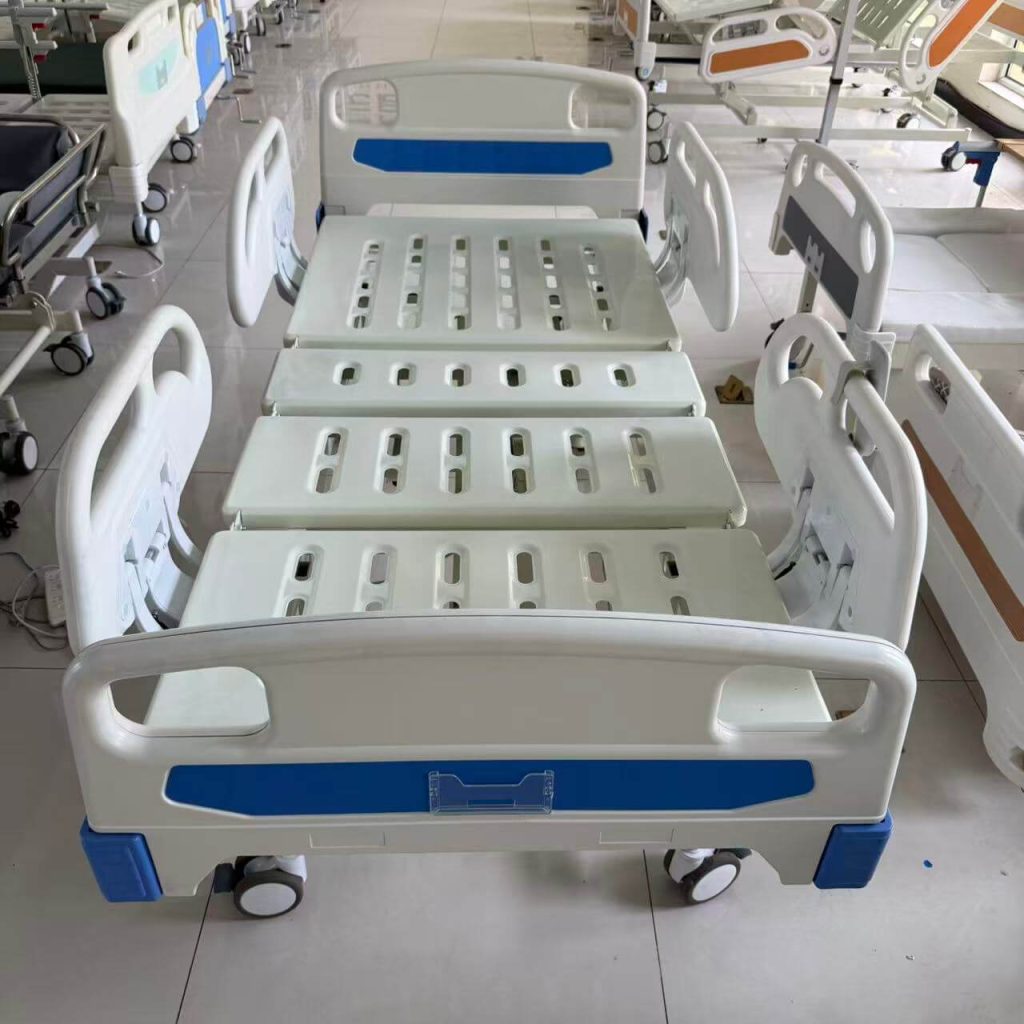
Hospital beds are bulky products with steel frames, side rails, headboards, motors, casters, mattresses, and optional accessories. Even when shipped in semi-assembled form, they occupy considerable space. A small calculation error may leave unusable gaps or require an additional container.
Loading quality also affects product condition. A bed may pass factory inspection but arrive with scratched coating, bent rails, damaged controls, or missing hardware if packaging and securing are inadequate. For hospitals, clinics, distributors, and home care equipment buyers, these problems can delay installation and increase after-sales costs.
A practical loading plan should connect product dimensions, package strength, container capacity, shipping route, unloading conditions, and project schedules. Buyers who review these factors before production ends can make better decisions and avoid rushed changes.
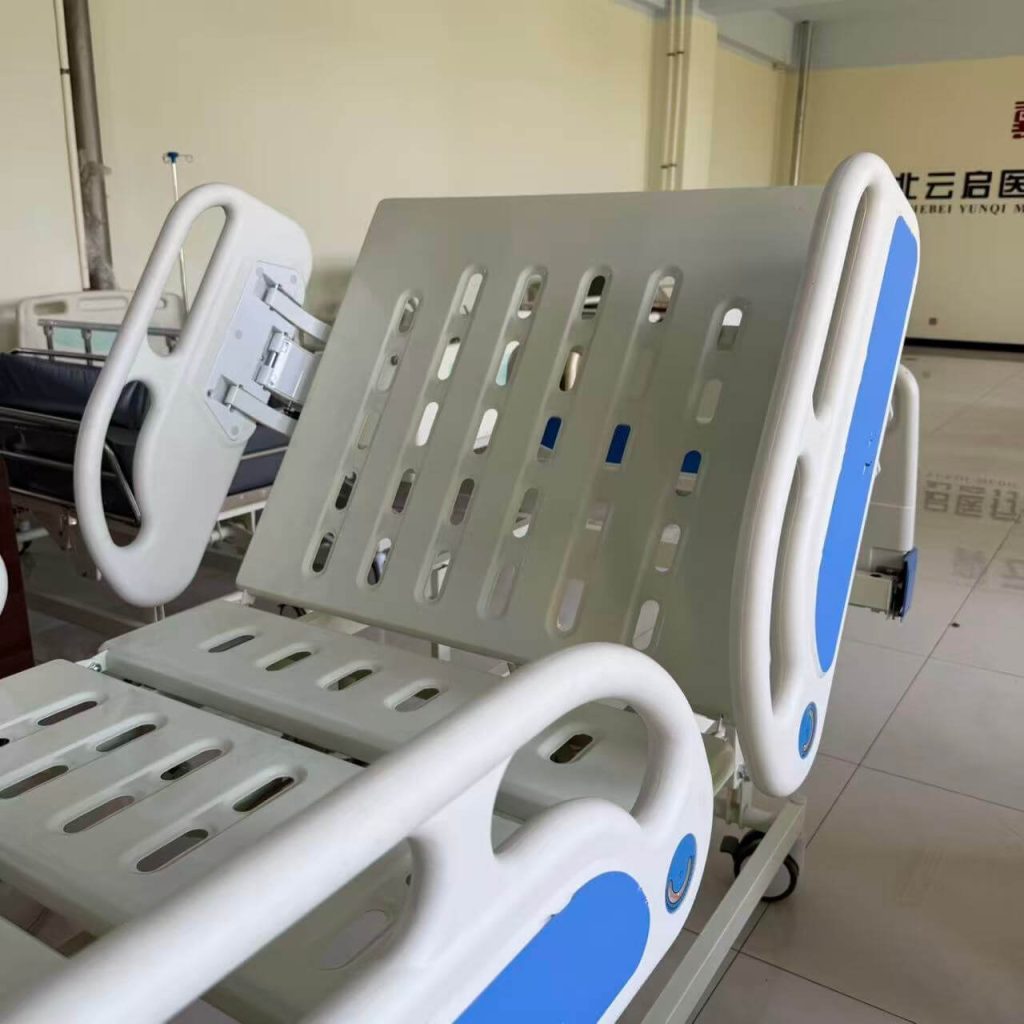
Confirm Final Packed Dimensions and Weights
The first step is to obtain accurate packing data for every product. Buyers should not calculate capacity from the assembled size because the shipping configuration may be very different.
Request Packing Data for Every Model
A mixed order may include electric beds, manual beds, home care beds, mattresses, bedside cabinets, overbed tables, side rails, and spare parts. Each item has a different package shape and stacking limit.
The supplier should confirm packed length, width, height, gross weight, net weight, package count, stacking limit, and whether accessories are packed separately. Buyers should request final figures after all optional parts have been selected. Larger headboards, thicker mattresses, upgraded rails, or customized accessories can change the package volume.
A mathematical cubic-meter calculation is only a starting point. Packages cannot always be arranged without gaps because container walls, door openings, pallet sizes, and irregular shapes reduce usable space. A loading diagram, trial arrangement, or previous loading record for the same model usually provides a more realistic estimate.
Agree on the Disassembly and Packaging Method
Hospital beds may be shipped fully assembled, semi-assembled, or completely knocked down. Each method affects container quantity, packaging cost, unloading work, and installation time.
Balance Space Efficiency with Installation Convenience
Fully assembled hospital beds require less work at the destination, but they occupy more space and are difficult to stack. Completely knocked-down beds improve space utilization but require stronger labeling, more installation labor, and careful control of hardware.
For many international wholesale orders, semi-assembled packaging offers a practical balance. The main frame and bed platform may remain assembled, while headboards, side rails, casters, IV poles, and accessories are removed and protected separately.
Before approving this method, buyers should consider the technical ability of the destination team. Clear manuals, hardware labels, and installation videos may be needed.
Electrical wiring, actuator connections, motor synchronization, braking systems, and important safety functions should not be unnecessarily separated merely to increase the loading quantity. Saving a small amount of space should not create installation or performance risks.
Label Small Parts and Accessories Clearly
Bolts, pins, hand cranks, power cables, remote controls, drainage hooks, brackets, and other small components are easy to lose during loading and unloading.
These parts should be sealed in labeled boxes and attached to the corresponding hospital bed package. Each box should display the product model, purchase order, quantity, package number, and bed reference.
For mixed shipments, color-coded labels or barcodes can help warehouse teams identify parts quickly. Spare-parts cartons should also appear separately on the packing list rather than being hidden inside a general accessory package.
Clear labeling becomes especially important when several hospital bed models are loaded into the same container.
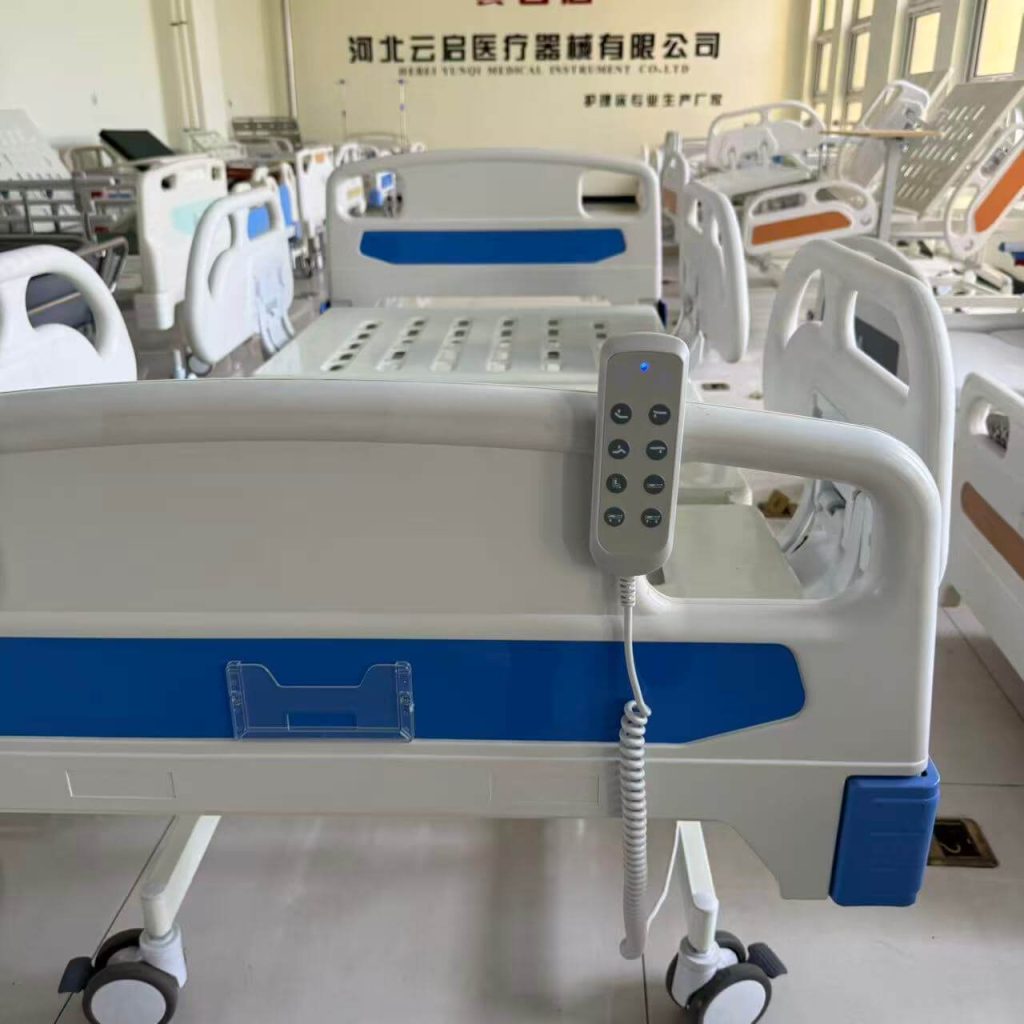
Prepare a Loading Sequence in Advance
Container loading should begin with a written or visual sequence. Improvised loading often places heavy frames on weak cartons, blocks access to important items, or creates unstable gaps.
Load Heavy Frames First
Steel bed frames should generally be placed on the bottom. Lighter products such as mattresses, plastic panels, side rails, bedside cabinets, and accessory cartons can be positioned above or around them when the packaging strength permits.
Weight should be spread across the container floor rather than concentrated on one side or near the doors. Keeping the center of gravity low improves stability during trucking, port handling, vessel movement, and final delivery.
Heavy packages should not be placed above weak cartons. Similarly, painted frames should not rest directly against unprotected steel surfaces.
Products required first during unloading should remain accessible whenever possible. Installation tools, assembly kits, or unloading equipment should not be buried behind the main cargo.
Fill Empty Gaps Without Creating Damage
Mixed medical furniture can help improve container utilization. Bedside cabinets, overbed tables, mattresses, side rail cartons, and accessory boxes may fit into spaces that would otherwise remain empty.
However, plastic parts should never be forced between steel frames. Mattresses should not be folded, squeezed, or compressed beyond the manufacturer’s recommended limit.
Gap filling should not create crushing pressure or make unloading dangerous. Every package must remain removable without destabilizing the surrounding cargo.
A loading diagram should identify where each hospital bed model and accessory group is positioned. This is particularly useful for distributors receiving several models or hospitals requiring products to be unloaded according to department, floor, or installation schedule.
Protect Surfaces, Electrical Parts, and Mattresses
Hospital beds contain painted steel, plastic panels, moving joints, motors, cables, control systems, and soft goods. Each area requires appropriate protection.
Prevent Scratches and Movement Inside Packages
Foam sheets, bubble wrap, corrugated cardboard, corner guards, and stretch film can reduce friction and impact. Extra attention should be given to bed corners, side rails, headboards, footboards, motor housings, control panels, and exposed metal edges.
Parts should not move freely inside cartons or transport frames. Continuous vibration during sea and road transport can damage coatings and components even when there is no major collision.
Soft separators should be placed between stacked frames, and direct metal-to-metal contact should be avoided. Cables, hand controls, and connectors should be secured so that they cannot swing, become trapped, or rub against sharp edges.
Buyers should request packaging photos for customized beds with special colors, wood-grain panels, logos, or nonstandard accessories. These products may be more difficult to repair or replace after delivery.
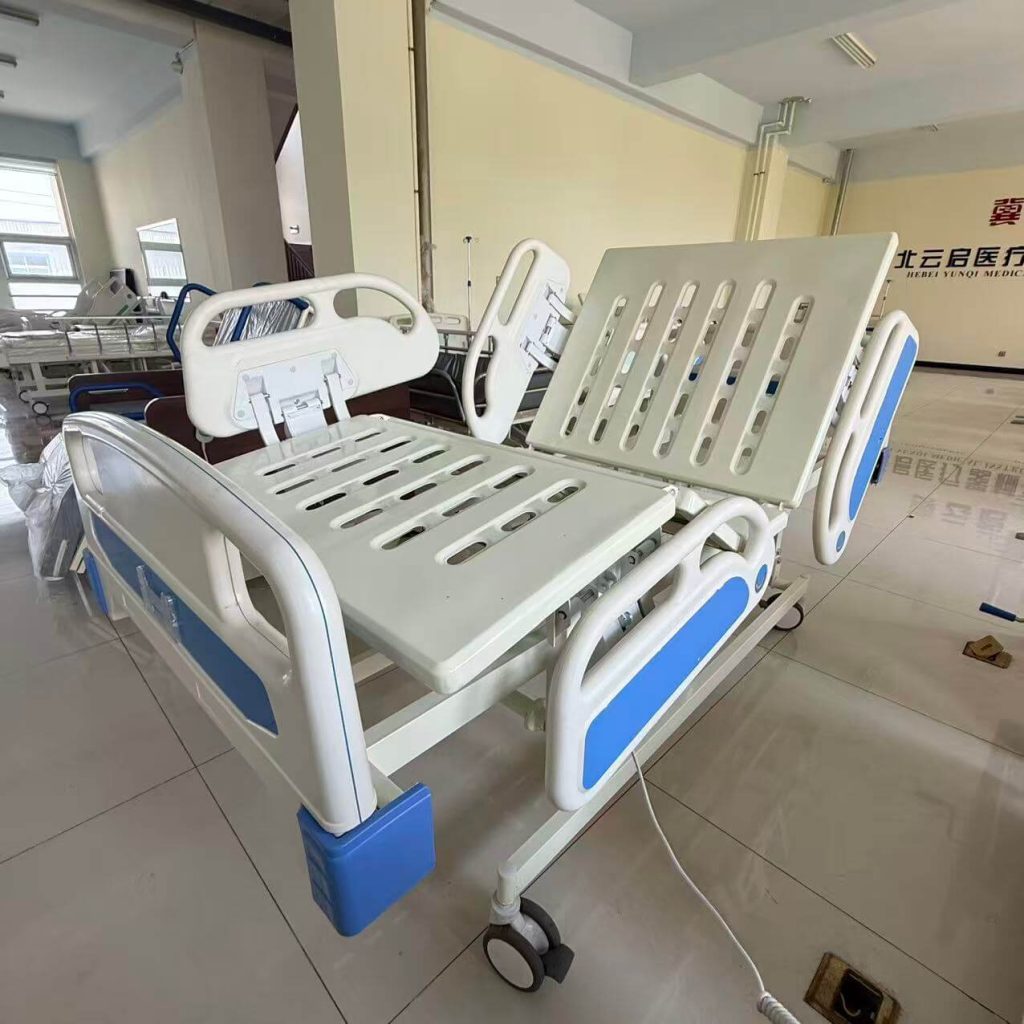
Control Moisture During Ocean Transport
Temperature changes during international shipping may create condensation inside a container. Moisture can weaken cartons, stain metal surfaces, affect mattresses, and damage electrical components or instruction manuals.
Inspect the Container Before Loading
Before the first package enters, the container should be inspected for water, holes, dirt, strong odors, rust contamination, damaged flooring, or defective door seals.
A simple light test may help identify holes in the walls or roof. When the container doors are closed, visible external light may indicate possible water entry.
A container that is wet, dirty, contaminated, or visibly damaged should be rejected before loading begins. Accepting an unsuitable container can place the entire shipment at risk.
Use Appropriate Moisture Protection
Products should be completely dry before packaging, and cartons should not be stored in damp warehouse areas. Desiccants may be used when suitable for the route, season, transit time, and cargo type.
Electrical parts, manuals, certificates, and paper labels should receive sealed protection. Mattresses and upholstered products should be wrapped securely without trapping existing moisture inside the packaging.
Wooden packaging materials, when used, should also meet the relevant import requirements of the destination market. Buyers should discuss packaging materials with their freight forwarder or customs representative before shipment.
Verify the Shipment with Photos and Documents
International buyers are rarely present during loading. Visual records and accurate documents are therefore important parts of shipment control.
Request a Complete Loading Record
The supplier should photograph or record the following stages:
The empty container condition
The container number
Product packaging before loading
The first loading layer
Intermediate loading stages
Cargo restraints and blocking
The final arrangement near the doors
The closed container doors
The final seal number
These records help confirm that the correct products were loaded and that the agreed packaging method was followed. They can also support communication if damage, shortages, or inspection issues occur later.
The container number and seal number shown in the loading record should match the shipping documents.
Review the Final Packing List
The final packing list should match the purchase order, commercial invoice, shipping marks, and actual cargo.
Buyers should verify product models, quantities, package counts, gross weight, net weight, total volume, and accessory descriptions before authorizing shipment.
Every package should have clear and durable shipping marks showing the model, package number, destination, order reference, weight, and handling information.
For hospital projects, packages can also be identified according to department, floor, room, or installation zone. For distributors, model-based numbering can make warehouse sorting and inventory control easier.
Labels should be placed where they remain visible after unloading. A label facing the container wall cannot help the receiving team.
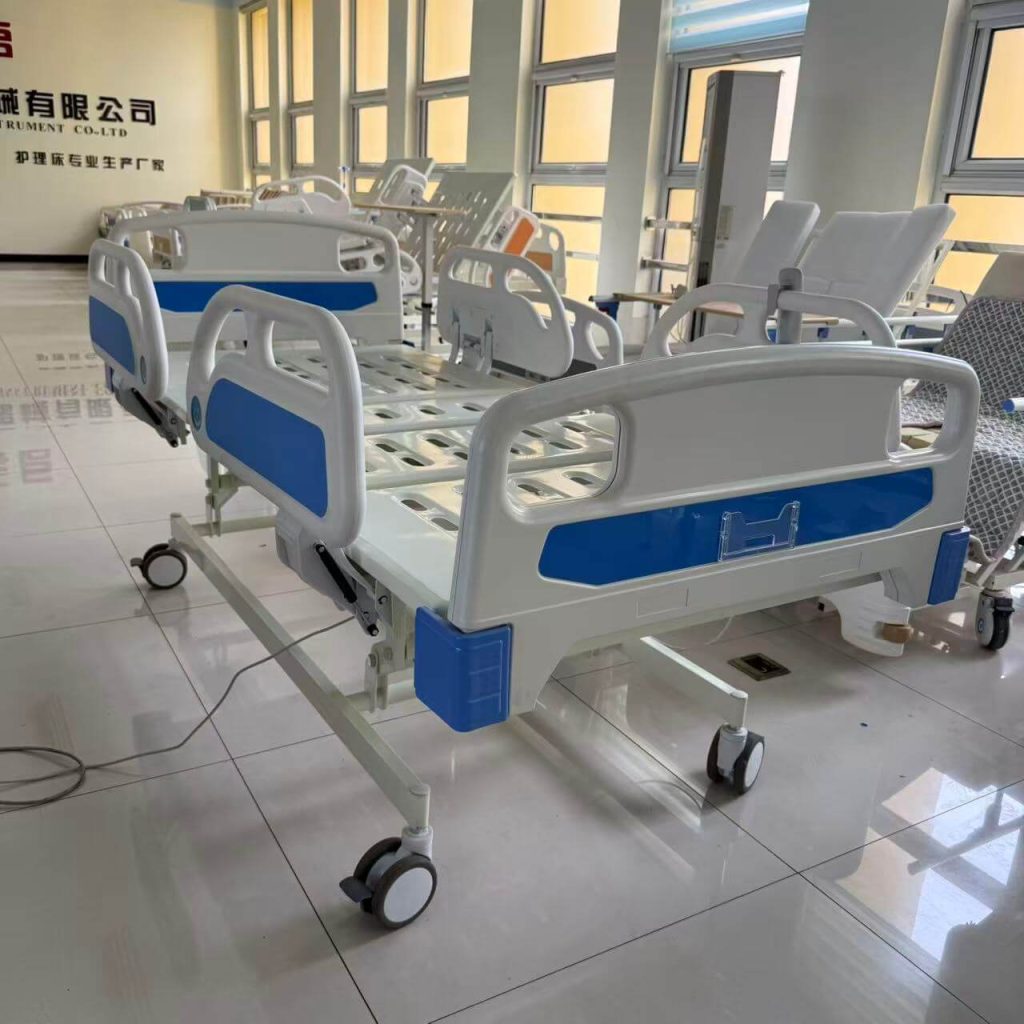
Coordinate with the Manufacturer and Freight Forwarder Early
Container booking should not be treated as a separate final step after production. The buyer, manufacturer, warehouse team, and freight forwarder should communicate before the beds are completed.
Buyers should share the destination port, delivery address, preferred container type, unloading method, customs requirements, project schedule, and required shipping documents.
The manufacturer can then prepare suitable packaging, organize accessories, reserve warehouse space, and arrange loading labor.
The freight forwarder should confirm the vessel schedule, container release, trucking plan, port cut-off time, documentation deadline, and any route-specific requirements.
Late communication may lead to rushed loading, missed sailings, additional storage charges, or incomplete documents. Early coordination gives every party enough time to identify and solve potential problems.
As a B2B hospital bed supplier in China, Jcare can coordinate product selection, packaging, accessories, and container preparation for hospitals, clinics, distributors, and home care equipment buyers. Factory pricing, available stock, and short delivery arrangements can support suitable international wholesale projects.
Common Hospital Bed Loading Mistakes to Avoid
One frequent mistake is booking a container before receiving final packed dimensions. Estimated package sizes may change after the buyer selects different rails, mattresses, motors, headboards, or accessories.
Another mistake is maximizing the loading quantity without considering safe unloading. Extremely tight loading may make the container difficult or dangerous to unload at the destination.
Buyers should also avoid accepting mixed accessories without clear labels, stacking beyond package limits, placing steel frames on weak cartons, leaving electrical components exposed, or approving shipment without checking the final packing list.
Missing hardware is another common problem. A hospital bed cannot be installed correctly when bolts, pins, cables, or remote controls are missing. Small parts should be checked before cartons are sealed.
The lowest freight cost does not always create the lowest total procurement cost. Space savings have little value when products arrive damaged, incomplete, or difficult to assemble.
Container loading quality should therefore be evaluated as part of the total purchasing cost rather than as an isolated warehouse activity.
الخاتمة
Successful hospital bed importing requires more than choosing the right specifications and purchase price. Container planning directly affects freight efficiency, product safety, warehouse handling, installation, and project delivery.
International buyers should confirm real packing data, select the appropriate container, balance disassembly with installation requirements, protect every component, distribute weight correctly, and retain complete loading records.
Early cooperation with the manufacturer and freight forwarder is the most reliable way to prevent wasted space, transport damage, missing accessories, and avoidable shipping costs.