
Hospitals across the world frequently face operational challenges such as inefficient space utilization, slow patient turnover, and difficulty adapting wards to changing clinical demands. These issues become more severe as patient numbers rise and healthcare systems are forced to operate under tighter budgets and limited infrastructure capacity. When furniture systems are rigid and outdated, even simple tasks like cleaning, repositioning patients, or upgrading equipment can disrupt entire workflows. Modular medical furniture systems address these challenges by introducing flexible, standardized, and scalable solutions that allow hospitals to improve efficiency, reduce downtime, and optimize clinical operations across departments.
Modular medical furniture systems improve hospital efficiency by enabling flexible room layouts, reducing equipment downtime, optimizing space usage, and streamlining clinical workflows. Their interchangeable components allow hospitals to quickly adapt to changing patient needs, reduce maintenance complexity, and lower long-term operational costs while improving care delivery speed and safety.
To understand why modular systems are becoming essential in modern healthcare infrastructure, it is necessary to explore how they function and how they transform hospital operations at multiple levels.
Understanding Modular Medical Furniture Systems in Modern Healthcare
Modular medical furniture systems are designed around the principle of interchangeability and flexibility. Unlike traditional hospital furniture, which is built as fixed, standalone units, modular systems are composed of standardized components that can be reconfigured, upgraded, or replaced without disrupting the entire system.
In practice, this means a hospital bed, treatment station, or storage unit can be adapted according to patient needs, department requirements, or emergency situations. This design philosophy is increasingly important in modern hospitals, where adaptability directly influences operational efficiency.
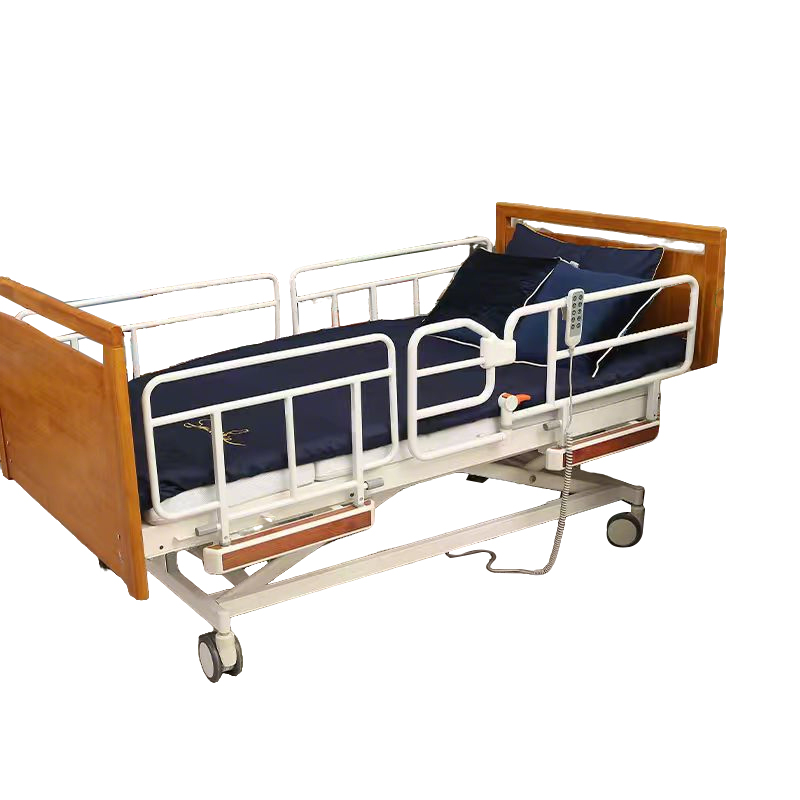
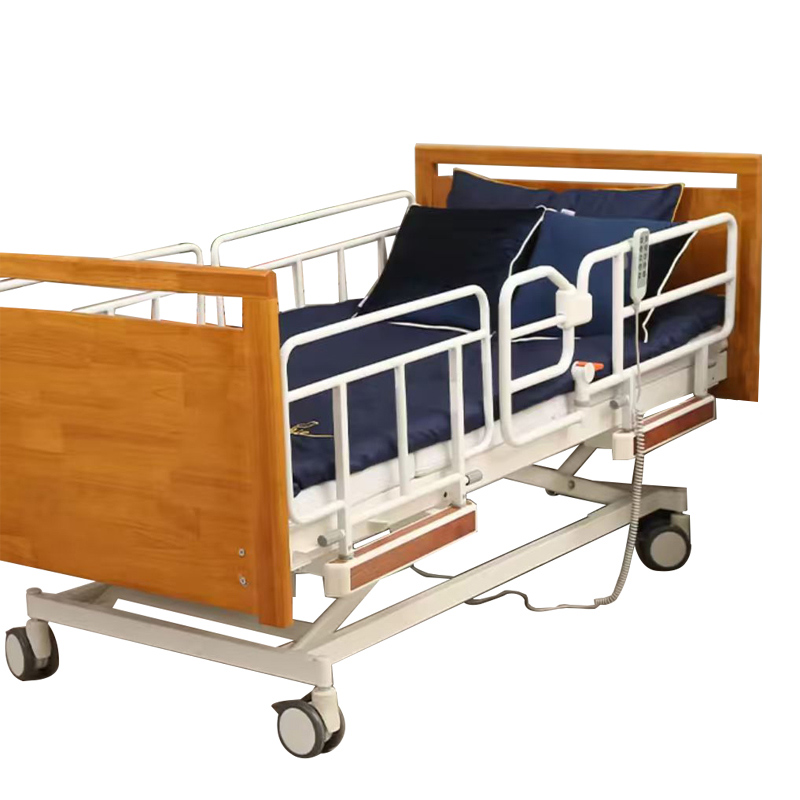
Typical modular systems include hospital beds with detachable side structures, adjustable frames, mobile nursing carts, modular bedside storage, and integrated diagnostic support furniture. These systems are engineered to work together seamlessly, creating a unified ecosystem rather than isolated equipment pieces.
Manufacturers such as Jcare focus on designing modular medical solutions that align with global healthcare procurement trends, emphasizing scalability, durability, and cost efficiency for B2B buyers.
Why Hospital Efficiency Depends on Physical Infrastructure Design
Hospital efficiency is often discussed in terms of medical staff performance, digital systems, and treatment protocols. However, physical infrastructure plays an equally important role in determining how smoothly a hospital operates.
When furniture systems are poorly designed or outdated, inefficiencies appear in many areas of hospital operations. Patient admission processes become slower, cleaning cycles take longer, and medical staff must spend additional time adjusting equipment instead of focusing on care delivery.
Operational Bottlenecks Caused by Traditional Furniture
Traditional hospital furniture is typically fixed in structure, meaning it cannot easily adapt to changing clinical demands. This rigidity creates several problems:
- Limited flexibility in room usage
- Difficult maintenance procedures
- Longer equipment replacement cycles
- Inefficient use of available space
- Increased staff workload during peak demand
These challenges may seem minor individually, but collectively they create significant operational delays across hospital departments.
Compounding Effects on Healthcare Systems
As hospitals scale up, these inefficiencies multiply. For example, if a ward cannot be quickly reconfigured, patient overflow during emergencies becomes difficult to manage. Similarly, slow maintenance cycles reduce equipment availability, directly affecting patient care capacity.
This is why modular medical furniture systems have become an important strategic investment for modern healthcare facilities.
Space Optimization Through Modular Design
Space is one of the most valuable and limited resources in any hospital. Efficient use of space directly influences patient capacity, workflow speed, and emergency response capability.
Modular medical furniture systems are designed to maximize spatial efficiency through adaptability and multifunctionality.
Flexible Room Reconfiguration
One of the most important advantages of modular systems is the ability to quickly transform room layouts. A single room can serve multiple purposes depending on hospital needs, such as:
- General patient care ward
- Post-operative recovery room
- Emergency observation unit
- Temporary ICU support space
This flexibility allows hospitals to respond quickly to changing patient volumes without requiring structural renovations.
Multi-Purpose Equipment Usage
Modern modular hospital beds and support furniture are designed to perform multiple functions within a single system. For example, a modular bed may allow:
- Height adjustment for nursing care
- Tilt functions for medical procedures
- Mobility support for patient transfer
- Integration with monitoring equipment
This reduces the need for multiple separate devices, freeing up valuable space within patient rooms.
Reduced Clutter and Improved Accessibility
Modular storage and mobile units also contribute to cleaner and more organized environments. Equipment can be:
- Wall-mounted to save floor space
- Folded or retracted when not in use
- Easily relocated between departments
This improves accessibility for medical staff and reduces time wasted searching for equipment.
Enhancing Clinical Workflow Efficiency
Clinical workflow efficiency refers to how smoothly medical staff can perform their duties without unnecessary interruptions or delays. Modular furniture systems directly contribute to improving this workflow.
Standardized Layouts Improve Familiarity
When hospital furniture systems follow standardized modular designs, staff can quickly adapt to different rooms without relearning layouts. This reduces confusion and improves response times, especially in emergencies.
Reduced Physical Strain on Medical Staff
Adjustable modular systems significantly reduce the physical effort required from nurses and caregivers. Functions such as electric height adjustment, lateral movement, and positioning controls minimize manual handling tasks.
This leads to:
- Lower risk of workplace injuries
- Reduced fatigue among staff
- Faster patient handling procedures
Faster Patient Movement and Repositioning
Time is critical in healthcare environments. Modular systems allow rapid repositioning of patients for treatment, diagnosis, or emergency response. This improves overall treatment speed and increases hospital throughput.
Maintenance Efficiency and Reduced Equipment Downtime
One of the most overlooked advantages of modular medical furniture systems is their impact on maintenance efficiency.
Component-Based Repair System
Instead of replacing an entire unit when damage occurs, hospitals can replace individual components such as:
- القضبان الجانبية
- لوحات التحكم
- Wheels or casters
- Mechanical joints
This significantly reduces downtime and maintenance costs.
Faster Technical Repairs
Technicians can service modular systems more efficiently because components are designed for easy access and replacement. This eliminates the need for full disassembly during repairs.
Improved Spare Parts Management
Hospitals can maintain a standardized inventory of replacement parts rather than storing multiple variations of equipment. This simplifies procurement and reduces storage costs.
Scalability and Hospital Expansion Flexibility
Healthcare systems must continuously evolve to meet growing patient demand. Modular furniture systems support this scalability effectively.
Incremental Expansion Capability
Hospitals can expand capacity gradually by adding new modules instead of replacing entire systems. This includes:
- Adding new bed units
- Expanding treatment stations
- Upgrading storage modules
Emergency Response Flexibility
During crises such as pandemics or natural disasters, hospitals often need to expand capacity rapidly. Modular systems enable:
- Conversion of general wards into ICU units
- Temporary expansion of patient care areas
- Rapid deployment of additional treatment stations
This flexibility is crucial for emergency preparedness.
Long-Term Infrastructure Investment Protection
Rather than becoming obsolete quickly, modular systems evolve with hospital needs. This protects long-term investment and reduces capital expenditure over time.
Cost Efficiency and Procurement Advantages
From a procurement perspective, modular medical furniture systems provide significant financial benefits.
Reduced Total Cost of Ownership
Although initial investment may be similar to traditional systems, long-term costs are lower due to:
- Reduced replacement frequency
- انخفاض نفقات الصيانة
- Extended product lifecycle
Flexible Procurement Strategy
Hospitals can purchase core modules first and expand later as budget allows. This staged approach improves financial planning and reduces upfront pressure.
Simplified Logistics and Supply Chain
Standardized components simplify logistics, especially for large-scale hospital networks. Procurement teams benefit from:
- Easier supplier coordination
- Reduced shipping complexity
- Lower inventory management costs
For global buyers, suppliers like Jcare provide factory-direct solutions that support bulk procurement and customized configurations.
Improving Patient Safety and Care Experience
While efficiency is important, patient safety and comfort remain the core objectives of any hospital system.
Adjustable Comfort and Positioning
Modular systems allow patients to be positioned more accurately for:
- Recovery comfort
- Medical procedures
- Pressure relief
- Mobility support
Enhanced Safety Mechanisms
Modern modular furniture often includes:
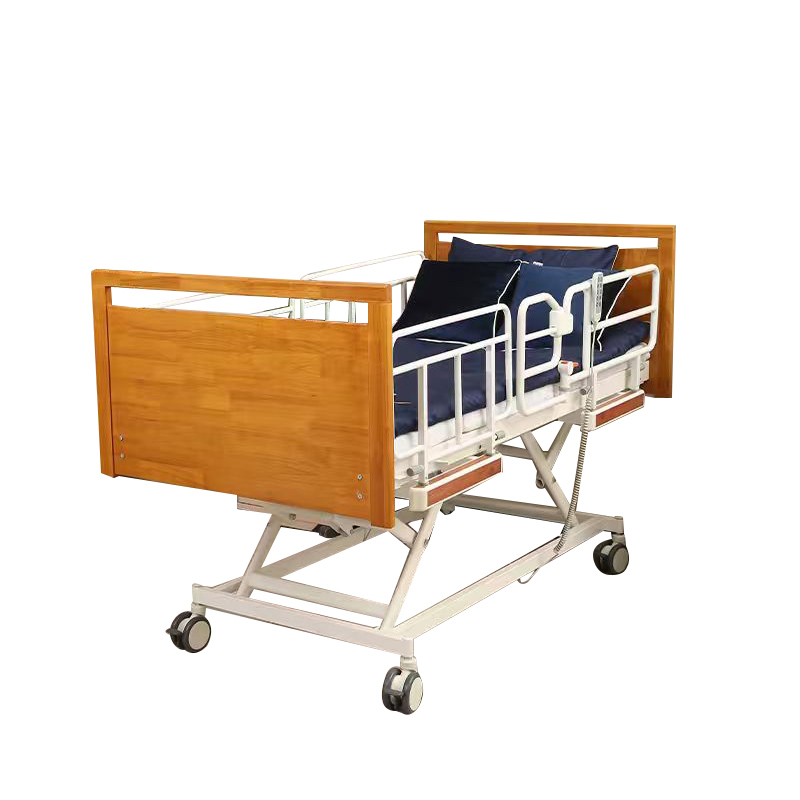
- Anti-fall side rail systems
- Lockable mobility features
- Stable structural frameworks
- Smooth adjustment controls
These features reduce the risk of patient injury and improve care quality.
Faster Emergency Response Capability
In critical situations, modular systems allow rapid adjustment of patient positioning, helping medical staff respond more effectively to emergencies.
Integration with Smart Hospital Systems
As hospitals adopt digital transformation strategies, modular furniture systems are increasingly integrated with smart technologies.
IoT-Enabled Monitoring Systems
Modern hospital beds and furniture systems can include sensors that monitor:
- حركة المريض
- Bed occupancy status
- Equipment usage patterns
Centralized Control Systems
Nurses and administrators can control multiple devices from centralized systems, improving coordination across departments.
Data-Driven Efficiency Optimization
Collected data can be used to improve:
- Resource allocation
- Staffing decisions
- Equipment maintenance schedules
This leads to continuous operational improvement.
Sustainability and Environmental Impact
Sustainability is becoming a key consideration in healthcare procurement decisions.
Reduced Waste Generation
Because modular systems allow component replacement instead of full disposal, hospitals generate significantly less waste.
Longer Product Lifecycle
Upgradable systems extend the usable lifespan of equipment, reducing environmental impact associated with frequent replacements.
Lower Manufacturing Demand
Fewer full replacements mean reduced demand for raw materials and manufacturing resources, contributing to lower carbon emissions.
الخاتمة
Modular medical furniture systems are transforming modern hospital operations by improving flexibility, efficiency, and long-term cost control. Through adaptable design, standardized components, and scalable architecture, these systems enhance space utilization, streamline clinical workflows, reduce maintenance downtime, and improve patient care quality. As healthcare systems continue to evolve, modular infrastructure is becoming an essential foundation for building efficient, future-ready hospitals.
Hospitals, procurement teams, and medical distributors are encouraged to explore modular solutions as a strategic investment that supports both operational performance and long-term sustainability.