
In global medical procurement, buyers often struggle with unclear warranty terms, inconsistent after-sales commitments, and unreliable technical support from suppliers. These issues can lead to equipment downtime, higher maintenance costs, and even risks to patient safety. As hospitals increasingly depend on long-term medical bed usage, these problems become more serious and financially damaging. A structured warranty and after-sales service system is the key solution to ensure reliability, accountability, and long-term operational stability.
Warranty and after-sales service standards for medical bed suppliers define product coverage, repair responsibility, spare parts availability, and service response time. Professional manufacturers typically provide 1–3 years warranty, long-term spare parts supply, remote technical support, and structured global service systems to ensure continuous hospital operation and patient safety.
To understand how these standards work in practice, it is important to examine each component in detail.
People Also Ask: What Defines Warranty and After-Sales Standards for Medical Bed Suppliers?
Warranty and after-sales service standards in the medical bed industry are structured policies that define how suppliers support their products after delivery. These standards are not just commercial promises—they are operational guarantees that directly impact hospitals, clinics, rehabilitation centers, and home care providers.
A complete system includes:
- Warranty scope (what is covered and excluded)
- Warranty duration (1–3+ years depending on product grade)
- Spare parts availability (5–10 years recommended)
- Response time commitments (technical and logistics)
- Maintenance and repair procedures
- Global service adaptability for export markets
For manufacturers like Jcare, these standards are integrated into product design, production control, and export support systems.
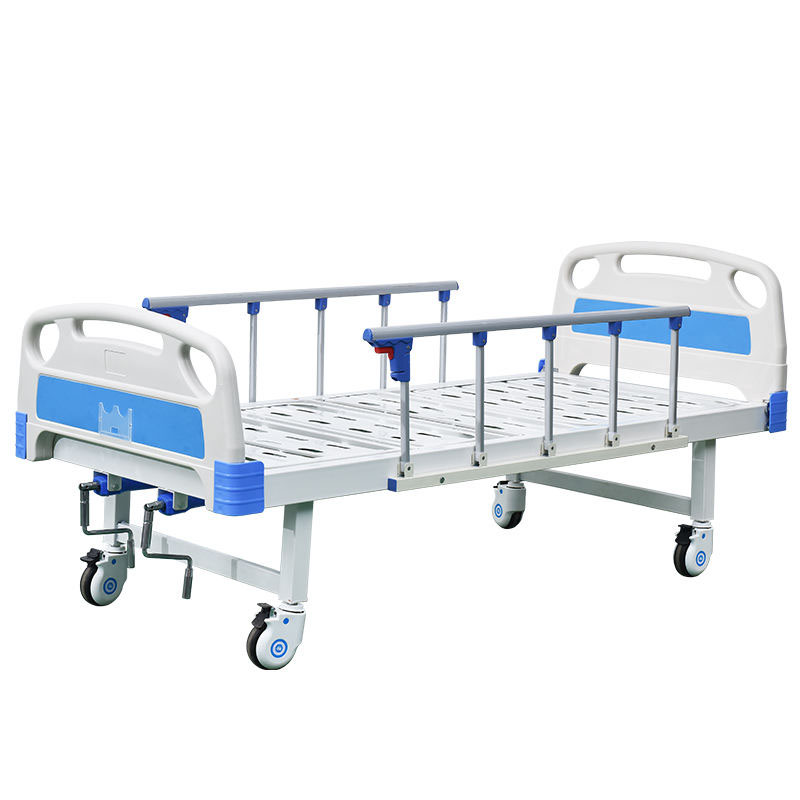
Why Warranty Standards Are Critical in Medical Bed Procurement
Medical beds are not ordinary furniture. They are essential clinical devices used in ICU wards, rehabilitation centers, and long-term care environments. Any malfunction can directly affect patient safety and nursing efficiency.
When warranty standards are unclear, hospitals face several risks:
First, unexpected maintenance costs increase total ownership expenses significantly. Even small failures in motors or side rails can require expensive replacements if not covered under warranty.
Second, equipment downtime disrupts hospital operations. A single broken bed in a high-occupancy ward can delay treatment schedules and reduce care capacity.
Third, procurement departments lose negotiation leverage when supplier responsibilities are not clearly defined.
Because of these risks, global buyers now consider warranty structure as important as technical specifications or pricing.
Core Components of Medical Bed Warranty Coverage
A professional medical bed warranty is built on multiple layers of coverage. Each layer addresses a different component of the product system.
Structural Frame Coverage
The structural frame is the foundation of all medical beds. It determines load capacity, stability, and long-term durability.
A reliable warranty should include:
- Welding integrity
- Steel fatigue resistance under normal use
- Anti-corrosion coating performance
- Structural deformation protection
High-quality manufacturers use reinforced steel frames and advanced coating technologies to reduce long-term failure rates.
Electrical System Warranty
Electric hospital beds rely on motor-driven systems that control height adjustment, backrest movement, and leg positioning.
Warranty coverage should include:
- Motor failure under standard load conditions
- Control box malfunction
- Remote or hand controller defects
- Electrical wiring issues
Suppliers with strong engineering capability usually partner with certified motor brands to ensure stability and compliance.
Mechanical Components Warranty
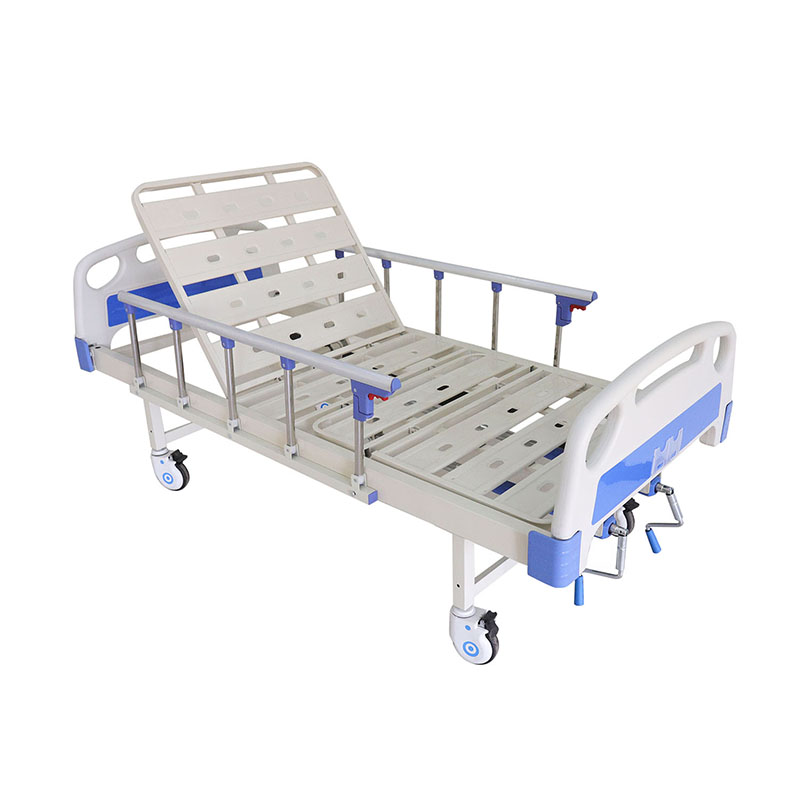
Mechanical systems include side rails, casters, folding structures, and adjustment mechanisms.
Coverage typically includes:
- Locking system failure
- Wheel braking or rotation issues
- Joint looseness or mechanical instability
- Adjustment system malfunction
These components are frequently used and require strong durability design.
Standard Warranty Duration in Global Markets
Warranty duration varies depending on product grade and market positioning.
In global procurement practice:
- Entry-level beds: 1 year warranty
- Standard hospital beds: 2 years warranty
- High-end or ICU beds: 3 years or more
Longer warranty periods often reflect stronger manufacturing capability and higher material standards.
For international buyers, 2 years is generally considered the baseline expectation.
After-Sales Service System in Medical Bed Supply Chains
After-sales service is not a single function—it is a complete ecosystem that supports long-term equipment usage.
Technical Support System
A strong supplier provides:
- 24/7 email or messaging support
- Remote troubleshooting assistance
- Installation guidance and documentation
- Video-based maintenance instructions
For export-focused manufacturers, multilingual support is essential for reducing communication barriers.
Spare Parts Supply Chain
Spare parts availability is one of the most important indicators of supplier reliability.
A professional system ensures:
- 5–10 years of spare parts availability
- Standardized component design for easy replacement
- Global logistics coordination for fast delivery
- Inventory backup for critical components
Manufacturers like Jcare maintain structured inventory systems to support international buyers efficiently.
Maintenance and Repair Support
Advanced suppliers provide structured maintenance systems, including:
- Step-by-step repair documentation
- Remote diagnostics support
- Distributor-based service networks
- Optional on-site technical assistance for large hospital projects
This ensures hospitals can restore operations quickly even in remote regions.
Response Time Standards and Service Level Agreements
Response time is a key performance indicator in medical equipment after-sales service.
Industry Benchmarks
Global benchmarks typically include:
- Initial response: within 12–24 hours
- Technical diagnosis: within 24–48 hours
- Spare parts dispatch: within 3–7 working days
In critical healthcare environments, faster SLA commitments are often required.
Emergency Support Procedures
Emergency protocols are applied in situations such as:
- ICU bed motor failure
- Patient positioning system breakdown
- Structural instability issues
- Electrical safety concerns
In such cases, suppliers prioritize immediate technical response and rapid part replacement.
Regional Challenges in Global After-Sales Service
Medical bed suppliers serving international markets face multiple structural challenges.
Logistics and Customs Delays
Spare parts delivery can be delayed due to:
- Customs clearance procedures
- Regional import regulations
- Shipping route limitations
These delays can significantly affect hospital operations if inventory planning is weak.
Communication Barriers
Language differences often result in:
- Incorrect installation procedures
- Misunderstood maintenance instructions
- Delayed problem diagnosis
To solve this, suppliers provide visual manuals, video guides, and multilingual documentation.
Regulatory Differences
Different countries require compliance with:
- Electrical safety standards
- Medical device certifications
- Hospital infrastructure regulations
Suppliers must adapt warranty conditions accordingly for each market
How Buyers Should Evaluate a Supplier’s After-Sales Capability
Beyond checking warranty duration, professional buyers should evaluate the real execution capability of a supplier’s after-sales system.
A strong evaluation framework includes:
Service Infrastructure Verification
Buyers should confirm whether the supplier has:
- Dedicated technical engineers
- Export service teams
- Spare parts warehouse systems
- Digital tracking systems for service requests
Without infrastructure, warranty promises often remain theoretical.
Historical Export Performance
Suppliers with stable exports to regions such as Europe, the Middle East, and Southeast Asia usually have more mature service systems. Experience directly improves troubleshooting speed and spare parts logistics efficiency.
Product Failure Rate Transparency
Advanced manufacturers are able to provide:
- Internal defect rate statistics
- Batch testing reports
- Component lifespan data
Low transparency often indicates weak quality control systems.
Long-Term Partnership Capability
Hospitals and distributors should assess whether the supplier can support:
- Multi-year framework agreements
- Tender-based procurement projects
- OEM/ODM customization with consistent after-sales service
This is especially important for government and large institutional buyers.
How Jcare Builds a Structured Warranty and Service System
As a global B2B manufacturer, Jcare has developed a systematic approach to warranty and after-sales service.
Manufacturing Quality Control System
With a 3000 square meter production facility, the company implements:
- Component-level inspection before assembly
- Load-bearing testing for structural safety
- Electrical system stability testing
- Pre-shipment quality verification
This reduces failure rates and improves long-term reliability.
Modular Product Engineering
Medical beds are designed with:
- Replaceable motor systems
- Standardized side rails and casters
- Easy-access maintenance structures
This modular approach significantly reduces repair time and cost.
Export-Oriented Service Strategy
The company supports:
- OEM/ODM customization for distributors
- Bulk procurement for hospitals and tenders
- Long-term partnership models with global buyers
This ensures consistent service quality across different regions.
Common Mistakes Buyers Make in Warranty Evaluation
Many procurement teams underestimate the importance of after-sales structure.
Typical mistakes include:
- Selecting suppliers based only on price
- Ignoring spare parts availability commitments
- Overlooking response time guarantees
- Not verifying technical support capability
These mistakes often lead to higher long-term operational costs than expected.
Future Trends in Medical Bed After-Sales Service
The industry is evolving toward more digital and predictive systems.
Digital Warranty Management
Future systems will include:
- Online warranty registration platforms
- QR-code tracking for maintenance history
- Automated service reminders
Predictive Maintenance Technology
Smart medical beds may include sensors that monitor:
- Motor wear levels
- Load stress conditions
- System performance degradation
Regional Service Warehouses
Global manufacturers are building overseas warehouses to:
- Reduce spare parts delivery time
- Improve emergency response capability
- Strengthen distributor networks
الخاتمة
Warranty and after-sales service standards are a critical part of medical bed procurement decisions. They determine not only product reliability but also long-term hospital efficiency and patient safety. A strong supplier must provide clear warranty coverage, fast response systems, reliable spare parts supply, and structured technical support.
For global buyers, working with an experienced manufacturer such as Jcare ensures stable product performance, efficient service support, and long-term procurement confidence.
We welcome industry feedback and procurement discussions—feel free to share your experiences or questions to help improve global medical equipment standards.