
Global distributors searching for medical bed manufacturers in China often face uncertainty caused by inconsistent product quality, unclear certification claims, and unpredictable production capacity. These issues can delay hospital procurement and increase financial risk across healthcare supply chains. This article explains how professional distributors evaluate manufacturers and what factors truly determine long-term cooperation success.
Global distributors choose medical bed manufacturers in China by evaluating certification compliance, production capacity, product quality stability, OEM/ODM customization capability, export experience, pricing transparency, and after-sales support. The most reliable partners are not the lowest-cost suppliers but factories that demonstrate consistent large-scale manufacturing, strict quality control systems, and proven ability to deliver stable international shipments across healthcare markets.
The evaluation process is structured, risk-aware, and highly standardized across global healthcare procurement.
How Do Global Distributors Evaluate Medical Bed Manufacturers in China?
Global distributors do not rely on intuition when selecting suppliers. Instead, they follow a multi-layer assessment system designed to reduce operational, financial, and regulatory risks. Because medical beds are directly linked to patient safety, every detail—from raw materials to export packaging—must be evaluated carefully before any long-term partnership is established.
The Strategic Role of China in Global Medical Bed Manufacturing
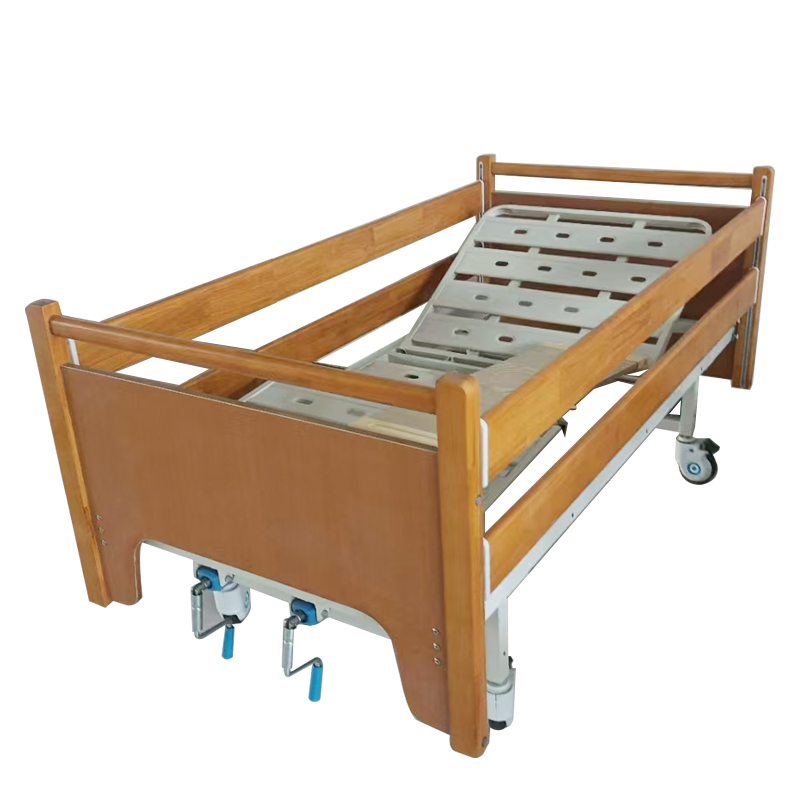
China has become a dominant hub in the global medical furniture industry due to its complete industrial supply chain and high manufacturing scalability. For international distributors, China offers not only cost advantages but also strong production reliability and export readiness.
The ecosystem supporting medical bed production includes steel processing, precision welding, plastic molding, electrical component assembly, and large-scale logistics coordination. These integrated systems allow factories to respond quickly to global demand fluctuations.
In this environment, manufacturers such as Jcare represent the type of industrial partners global distributors often evaluate when building long-term procurement networks across multiple countries.
Product Quality as the Core Evaluation Standard
For medical beds, quality is not a marketing claim but a safety requirement. Distributors carefully examine whether a manufacturer can ensure consistency across thousands of units shipped internationally.
Structural integrity is one of the first aspects reviewed. Buyers assess whether the frame design can support long-term load-bearing use without deformation. Steel thickness, welding precision, and reinforcement structure all influence product durability.
Mechanical and electrical stability is equally important. In electric hospital beds, smooth motor operation, controlled movement speed, and reliable adjustment functions are essential. Any inconsistency can lead to patient discomfort or operational failure in clinical environments.
Safety design is another critical factor. Side rail locking systems must remain stable under pressure, wheels must ensure controlled mobility with secure braking, and bed frames must remain stable during adjustment cycles. Manufacturers that fail these fundamental safety expectations are quickly removed from distributor consideration.
Certification Requirements and Global Compliance Standards
Medical beds fall under regulated product categories in most international markets, which makes certification a mandatory requirement rather than an optional advantage.
European buyers typically require CE compliance along with ISO 13485 quality management certification. These standards ensure that manufacturing processes follow medical-grade production systems.
In the United States, compliance expectations are more complex and often include electrical safety standards and regulatory alignment depending on product classification. Even when full FDA registration is not required, distributors still expect documentation that demonstrates safety compliance.
Emerging markets such as India, the Middle East, and Southeast Asia have their own procurement approval systems. Hospitals and government tenders often require specific import documentation, technical files, and product testing reports.
Without proper certification, even competitively priced products cannot enter institutional procurement channels, making compliance one of the most decisive filtering factors.
Manufacturing Capacity and Production Stability
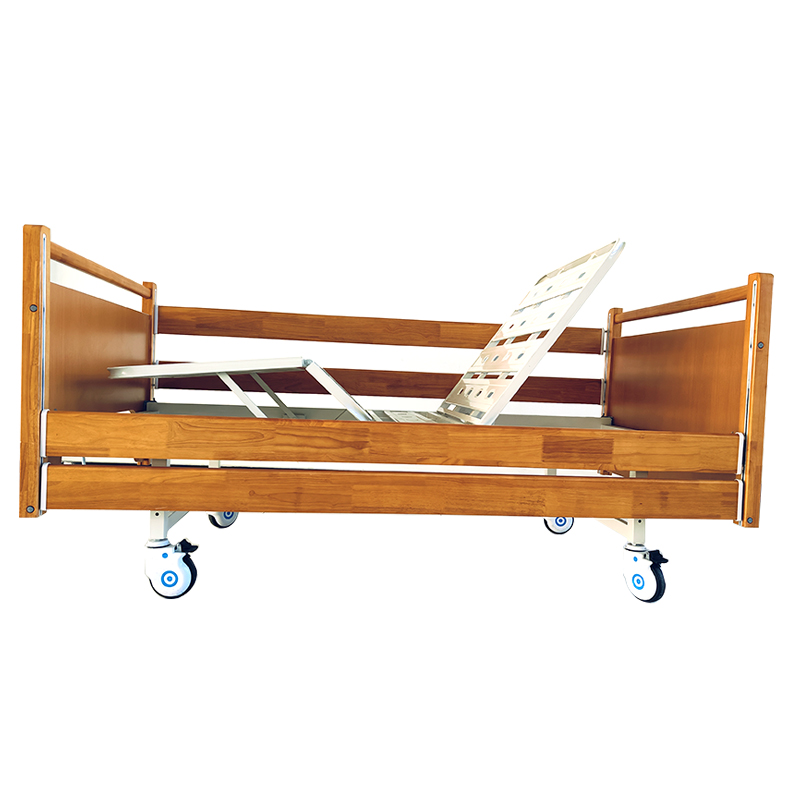
Global distributors prioritize manufacturers that can handle large-scale production consistently. Small workshops are often excluded because they cannot guarantee stable output for hospital tenders or government procurement programs.
Factory scale is evaluated through production area, assembly line capacity, welding infrastructure, and quality inspection systems. A strong manufacturing base ensures that bulk orders can be completed without delays or quality deviation.
Production stability also depends on raw material availability and inventory management. Factories that maintain consistent material supply chains can reduce production interruptions and respond more effectively to urgent orders.
Manufacturers like Jcare emphasize structured production systems designed to support continuous export demand and multi-region distribution requirements.
OEM and ODM Capability in Global Distribution Strategy
Customization plays a central role in international medical equipment distribution. Different countries have different clinical practices, regulatory requirements, and market preferences.
OEM capability allows distributors to build private-label products with their own branding. This includes logo integration, packaging customization, and product labeling tailored to import regulations.
ODM capability goes further by enabling structural modifications, upgraded control systems, and new functional designs. This flexibility allows distributors to differentiate their product offerings in highly competitive markets.
Without strong customization capability, distributors are often forced to sell identical products as competitors, limiting market competitiveness.
Pricing Strategy and True Cost Evaluation
While price remains an important factor, professional distributors rarely focus solely on unit cost. Instead, they evaluate total landed cost across the entire supply chain.
This includes manufacturing cost, international shipping, customs duties, storage expenses, and long-term maintenance risks. A lower factory price may not always translate into higher profitability if quality issues increase after-sales costs.
Transparent pricing structures are highly valued because they allow distributors to calculate margins accurately and reduce unexpected financial risks.
Lead Time and Supply Chain Reliability
In healthcare procurement, timing is critical. Delays in hospital bed delivery can directly affect patient care operations, especially during facility expansion or emergency situations.
Distributors therefore evaluate whether manufacturers can maintain consistent lead times under different order volumes. Production planning efficiency, raw material availability, and export preparation processes all influence delivery stability.
Factories with strong operational systems can reduce unexpected delays and provide more predictable supply schedules.
Product Range and System Integration
Distributors prefer manufacturers that offer a complete product ecosystem rather than isolated product categories. A diversified product range simplifies procurement and improves logistical coordination.
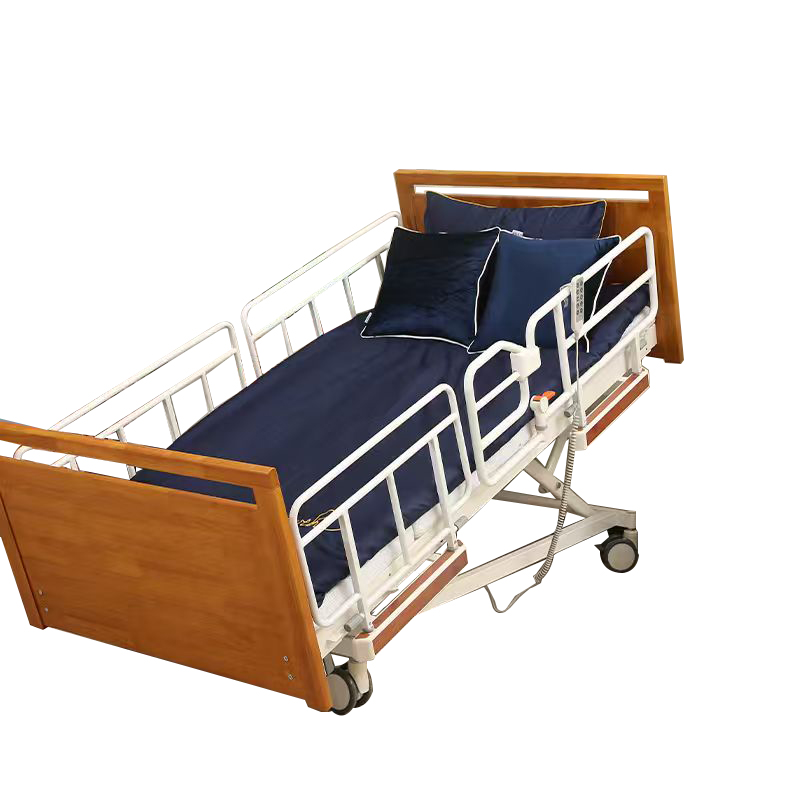
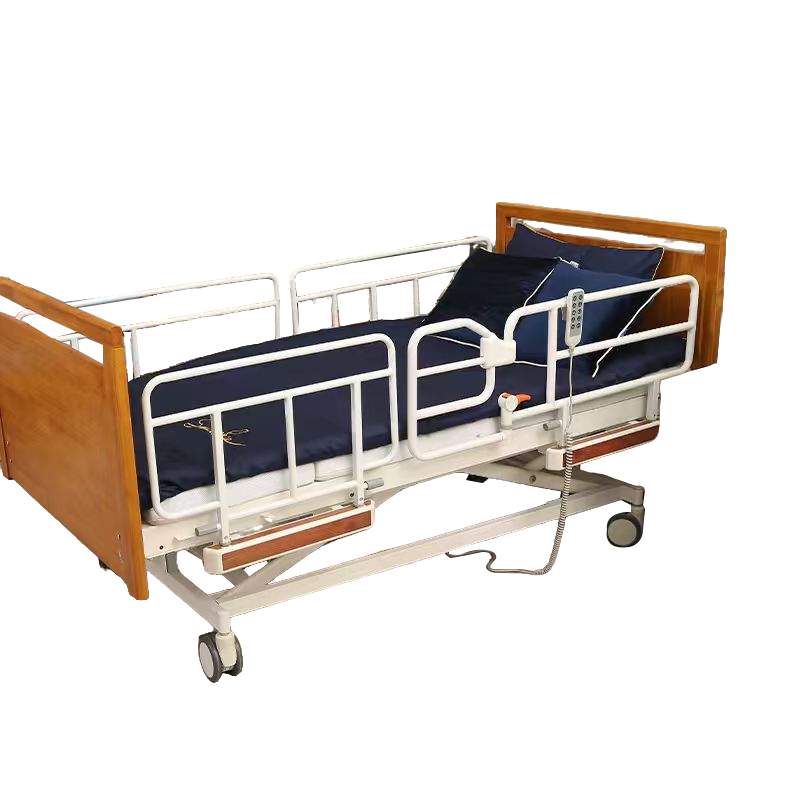
A full ecosystem typically includes manual hospital beds, electric ICU beds, home care beds, rehabilitation beds, and supporting accessories such as mattresses, IV stands, and side rails.
This integrated approach allows distributors to consolidate purchasing under fewer suppliers, reducing administrative complexity and improving long-term supply chain efficiency.
Communication Quality and Export Experience
Communication efficiency is a key factor in international trade success. Distributors expect suppliers to respond quickly, provide clear technical documentation, and understand international trade requirements.
Experience with export documentation, shipping coordination, and customs procedures significantly reduces operational friction. Manufacturers with strong export teams are often preferred even if their pricing is not the lowest.
After-Sales Support and Spare Parts Availability
Medical beds require long-term maintenance support, especially electric models with motors, control systems, and moving mechanical components.
Distributors evaluate warranty coverage, spare parts availability, technical support responsiveness, and maintenance documentation quality. A strong after-sales system increases confidence and reduces long-term operational risk for buyers.
Market Reputation and Verified Performance History
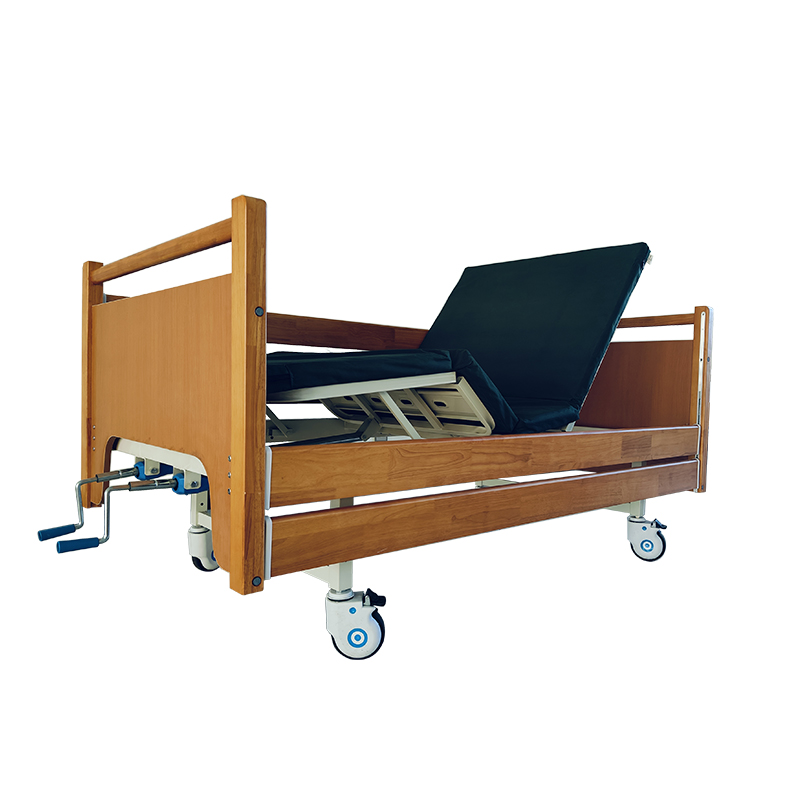
Reputation in the medical equipment industry is built through real-world usage rather than marketing claims. Distributors examine historical export performance, hospital installations, trade fair participation, and buyer feedback.
Manufacturers with consistent global shipments and proven hospital usage are significantly more trusted in procurement decisions.
Risk Management in Supplier Selection
Global distributors apply structured risk evaluation frameworks before finalizing supplier partnerships. These frameworks assess production consistency, regulatory compliance risks, logistics stability, and batch quality variation.
The goal is to ensure long-term reliability rather than short-term cost savings. Suppliers that minimize operational risk naturally become preferred partners.
Long-Term Partnership Orientation in Medical Equipment Trade
Medical bed procurement is not a one-time transaction but a long-term supply relationship. Hospitals and healthcare systems require consistent product standards over time.
Long-term partnerships enable stable pricing agreements, faster reordering processes, and collaborative product development. This reduces operational friction and improves supply chain predictability.
How Jcare Aligns with Global Distributor Expectations
As a specialized B2B manufacturer, Jcare focuses on supporting global distributors through stable production systems and export-oriented services.
Its manufacturing structure supports factory-level pricing, OEM and ODM customization, stable production capacity, and short delivery cycles. With export experience across Europe, Asia, the Middle East, and North America, the company is positioned to support multi-market distribution networks.
الخاتمة
Selecting a medical bed manufacturer in China requires a structured evaluation process that goes far beyond pricing. Global distributors must carefully assess quality control systems, certification compliance, production capacity, customization capability, logistics reliability, and long-term support systems.
The strongest supplier relationships are built with manufacturers capable of delivering consistent quality, scalable production, and stable international supply performance.
For distributors in the healthcare equipment industry, understanding these evaluation principles is essential for building resilient and profitable global supply chains.