
Many hospitals, distributors, nursing homes, and medical equipment buyers ask the same question before purchasing hospital beds: How can they determine whether a supplier truly meets international quality and safety requirements? Choosing a manufacturer without proper certification verification can result in customs delays, compliance violations, patient safety concerns, and costly procurement mistakes. Fortunately, by understanding the most important certifications for medical beds, buyers can significantly reduce risks and ensure they are investing in reliable, compliant, and high-quality healthcare equipment.
Before ordering medical beds, buyers should verify certifications such as ISO 13485, ISO 9001, CE Marking, FDA registration where applicable, IEC 60601 testing, and country-specific regulatory approvals. These certifications demonstrate that the manufacturer follows recognized quality management systems, safety standards, and regulatory requirements, helping ensure patient safety, product reliability, legal compliance, and smoother import procedures.
Choosing a medical bed supplier involves more than comparing prices.
Let’s examine the certifications that truly matter.
Why Certifications Matter When Purchasing Medical Beds
Medical beds are not ordinary pieces of furniture. They are healthcare devices that directly affect patient comfort, safety, mobility, and recovery. Hospitals, rehabilitation centers, nursing homes, and home healthcare providers depend on these products every day.
When buyers fail to verify certifications, they may face numerous challenges, including:
- Product quality inconsistencies
- Regulatory compliance issues
- Delayed customs clearance
- Unexpected legal liabilities
- زيادة تكاليف الصيانة
- Reduced patient safety
- Poor supplier accountability
International certifications serve as evidence that a manufacturer has implemented quality controls, testing procedures, and management systems designed to produce reliable medical equipment.
For wholesale buyers, certification verification should be one of the first steps in supplier evaluation.
Understanding the Difference Between Manufacturer Certifications and Product Certifications
Before discussing specific certifications, it is important to understand that not all certifications serve the same purpose.
Generally, certifications fall into two categories.
Manufacturer Certifications
These evaluate how a company operates.
They focus on:
- Quality management systems
- Manufacturing procedures
- Documentation control
- Corrective actions
- Traceability systems
ومن الأمثلة على ذلك:
- ISO 13485
- ISO 9001
Product Certifications
These evaluate the safety and performance of individual products.
They focus on:
- Electrical safety
- Mechanical safety
- Product performance
- Regulatory compliance
ومن الأمثلة على ذلك:
- CE Marking
- IEC 60601 compliance
- FDA requirements
A reliable supplier should ideally possess both manufacturer and product-related certifications.
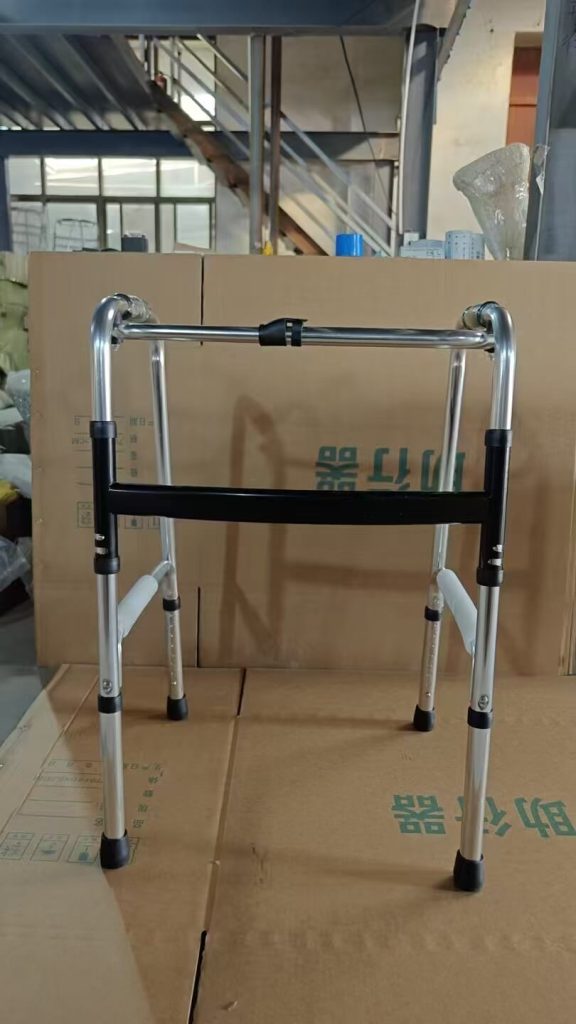
ISO 13485: The Gold Standard for Medical Device Manufacturers
Among all certifications, ISO 13485 is often considered the most important for medical device manufacturers.
What Is ISO 13485?
ISO 13485 is an internationally recognized quality management standard specifically designed for medical device companies.
Unlike general quality certifications, ISO 13485 focuses entirely on medical products and healthcare-related manufacturing processes.
The standard covers:
- Product design controls
- Risk management
- Supplier management
- Process validation
- Product traceability
- Regulatory compliance
- Corrective and preventive actions
Why Is ISO 13485 Important for Medical Bed Buyers?
Medical bed buyers benefit significantly from working with ISO 13485-certified manufacturers.
This certification demonstrates that the supplier has established systems to ensure:
- Consistent product quality
- Reduced manufacturing errors
- Better risk management
- Comprehensive documentation
- Stronger regulatory compliance
For hospitals and distributors importing medical beds internationally, ISO 13485 often serves as a key indicator of supplier reliability.
Questions Buyers Should Ask
Before placing an order, buyers should request:
- A copy of the current certificate
- Certification scope details
- Certification body information
- Expiration date verification
The certification should clearly cover medical beds or related medical equipment.
ISO 9001: Building a Foundation for Quality
While ISO 13485 focuses specifically on medical devices, ISO 9001 applies to quality management across many industries.
What Is ISO 9001?
ISO 9001 is one of the most widely recognized quality management standards in the world.
It establishes requirements for:
- Process management
- Customer satisfaction
- Continuous improvement
- Internal auditing
- Performance monitoring
Benefits for Medical Bed Buyers
Suppliers certified to ISO 9001 typically demonstrate:
- Better operational control
- More consistent production
- Improved customer service
- Stronger management systems
Is ISO 9001 Alone Enough?
No.
Although ISO 9001 provides a solid quality foundation, medical bed buyers should prioritize ISO 13485 because it specifically addresses medical device manufacturing.
The strongest manufacturers often maintain both certifications.
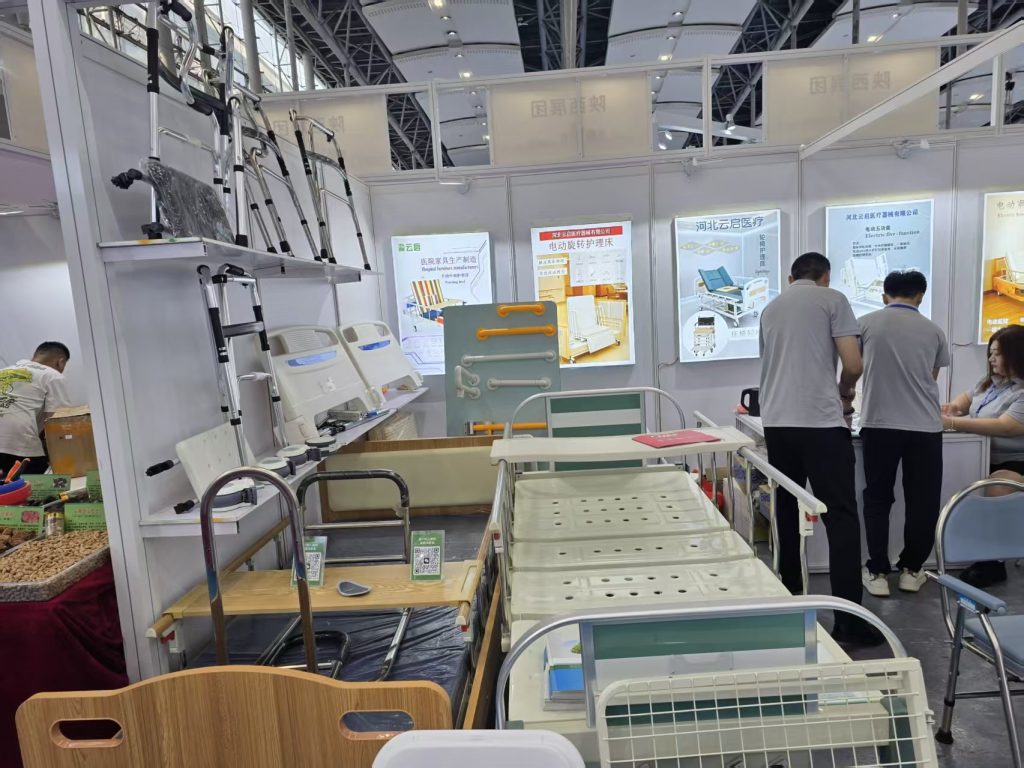
CE Marking: Essential for European Market Access
For buyers targeting Europe, CE Marking is one of the most important compliance requirements.
What Is CE Marking?
CE Marking indicates that a product complies with European Union regulations regarding safety, health, and environmental protection.
Medical beds sold within Europe generally require CE compliance under applicable medical device regulations.
What Does CE Marking Demonstrate?
CE-certified medical beds typically meet requirements related to:
- Safety
- Performance
- Risk assessment
- Technical documentation
- Product testing
Why Importers Should Verify CE Compliance
Importers may encounter significant obstacles if products lack proper CE documentation.
Potential issues include:
- Customs delays
- Market restrictions
- Regulatory penalties
- Product recalls
For European distributors and healthcare institutions, CE verification is essential.
Documents Buyers Should Request
Buyers should ask suppliers for:
- Declaration of Conformity
- CE certificates where applicable
- Technical files
- Risk assessment reports
FDA Registration and Compliance for the U.S. Market
The United States remains one of the world’s largest healthcare equipment markets.
Understanding FDA Requirements
The U.S. Food and Drug Administration regulates medical devices entering the American market.
Depending on classification, manufacturers may need:
- Establishment registration
- Device listing
- Compliance with FDA regulations
Why FDA Compliance Matters
FDA-related compliance can help ensure:
- الدخول القانوني إلى السوق
- Improved traceability
- Stronger buyer confidence
- Reduced regulatory risks
Common Misunderstandings
Many suppliers advertise “FDA Approved” products when approval may not actually be required.
Buyers should verify:
- Registration status
- Device listing information
- Applicable FDA requirements
Understanding the difference between registration and approval can prevent procurement misunderstandings.
IEC 60601: Electrical Safety for Medical Beds
As healthcare technology evolves, modern hospital beds increasingly incorporate electrical systems.
What Is IEC 60601?
IEC 60601 is a globally recognized standard covering the safety and performance of medical electrical equipment.
Why Electric Hospital Beds Require IEC 60601 Testing
Electric hospital beds contain:
- المحركات
- المشغلات
- لوحات التحكم
- Electronic circuits
- Power systems
Any failure could potentially affect patient safety.
Areas Evaluated During Testing
IEC 60601 testing may assess:
- Electrical safety
- Mechanical stability
- Fire hazards
- System performance
- User protection
Benefits for Healthcare Facilities
Medical beds meeting IEC 60601 requirements generally provide:
- Increased reliability
- Enhanced patient protection
- Reduced operational risks
- Better regulatory compliance
IEC 60601-1-2: Electromagnetic Compatibility Requirements
Hospitals contain numerous electronic devices operating simultaneously.
Why Electromagnetic Compatibility Matters
Medical beds must function correctly without causing interference with other healthcare equipment.
Potential issues include:
- Signal disruption
- Equipment malfunction
- Data errors
- Safety hazards
What IEC 60601-1-2 Covers
This standard evaluates:
- Electromagnetic emissions
- Resistance to interference
- System stability
Compliance helps ensure that medical beds operate safely within complex healthcare environments.
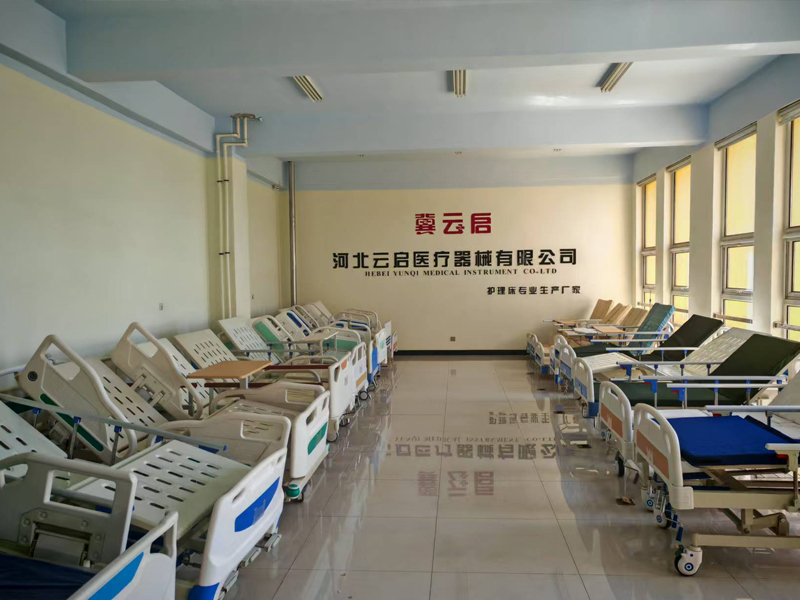
EN 60601-2-52: The Hospital Bed-Specific Standard
Among all standards related to medical beds, EN 60601-2-52 deserves special attention.
What Is EN 60601-2-52?
This standard focuses specifically on medical bed safety and performance.
Areas Covered
Testing includes:
- Side rail safety
- Entrapment prevention
- ثبات السرير
- Mattress compatibility
- Mechanical durability
Why Buyers Should Verify Compliance
Compliance with EN 60601-2-52 demonstrates that the bed has undergone evaluations specifically designed for healthcare environments.
This provides an additional layer of confidence beyond general electrical safety testing.
RoHS Compliance and Environmental Responsibility
Environmental sustainability is becoming increasingly important in healthcare procurement.
What Is RoHS?
RoHS stands for Restriction of Hazardous Substances.
It limits the use of harmful materials in electrical products.
Restricted Materials Include
- Lead
- Mercury
- Cadmium
- Hexavalent chromium
- Certain flame retardants
Why Buyers Should Care
RoHS compliance supports:
- Environmental protection
- Regulatory compliance
- Sustainable procurement goals
For electric medical beds, RoHS verification is increasingly expected by international buyers.
Country-Specific Regulatory Certifications
Different countries may require additional certifications beyond international standards.
European Union
Common requirements include:
- CE Marking
- Medical Device Regulation compliance
United States
Requirements may include:
- FDA registration
- Device listing
اليابان
Buyers may need to verify compliance with Japanese medical device regulations.
كوريا الجنوبية
Medical device registration requirements may apply depending on product classification.
الهند
Medical device regulations continue to evolve, making compliance verification increasingly important.
Middle Eastern Markets
Some countries may require additional approvals from local healthcare authorities.
Before importing medical beds, buyers should always verify the specific regulatory requirements of their destination market.
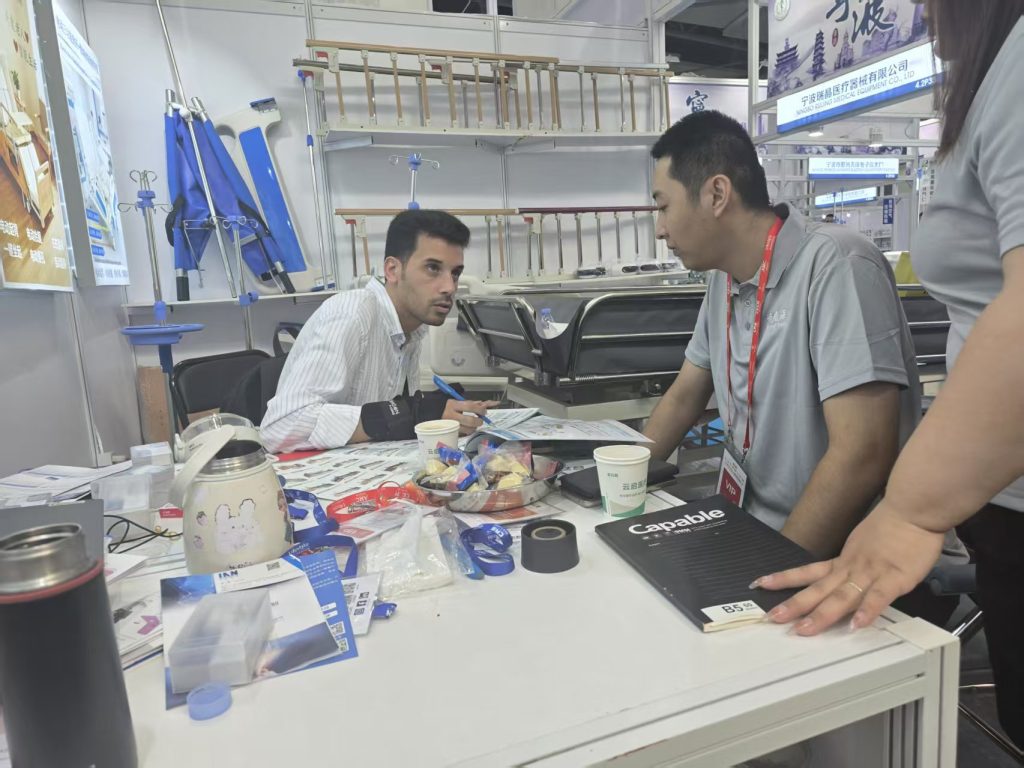
How to Verify Certification Authenticity
Possessing certificates is one thing.
Verifying their authenticity is another.
Review Certificate Details
تحقق من ذلك:
- Certificate numbers
- Expiration dates
- Certification scope
- Issuing organizations
Verify Certification Bodies
Ensure the issuing body is accredited and recognized internationally.
Confirm Product Coverage
A certification should specifically apply to medical beds or relevant healthcare equipment.
Conduct Supplier Audits
For large-volume purchases, factory audits can provide additional assurance.
Request Supporting Test Reports
Test reports often provide deeper insight into product compliance than certificates alone.
Warning Signs That Buyers Should Not Ignore
Not every supplier claiming compliance actually meets international standards.
Refusal to Provide Documentation
Legitimate manufacturers generally share certifications upon request.
Expired Certificates
Outdated certifications may indicate compliance problems.
Inconsistent Information
Discrepancies between certificates, catalogs, and company claims should raise concerns.
Extremely Low Pricing
Prices significantly below market averages may indicate:
- Lower-quality materials
- Insufficient testing
- Poor manufacturing controls
Lack of Traceability
Reliable manufacturers should maintain production records and quality documentation.
Why Certification Verification Is Critical for Wholesale Buyers
B2B buyers face unique risks because they often purchase in large quantities.
A certification issue affecting one product can impact hundreds or even thousands of units.
Certification verification helps wholesale buyers:
- Reduce procurement risks
- Improve customer satisfaction
- Protect brand reputation
- Prevent costly returns
- Minimize legal liabilities
- Simplify market entry
For distributors and healthcare procurement organizations, certification review should be integrated into supplier qualification procedures.
How Certification Compliance Supports Long-Term Healthcare Success
Certification verification is not merely a procurement formality.
It contributes directly to:
- Better patient outcomes
- Improved operational efficiency
- Regulatory compliance
- Reduced maintenance costs
- Increased equipment lifespan
Healthcare facilities investing in certified medical beds often experience fewer quality-related issues over the product lifecycle.
Why Global Buyers Choose Certified Manufacturers Like Jcare
As a professional B2B medical bed manufacturer, Jcare understands the importance of international compliance and quality assurance.
Serving hospitals, distributors, clinics, rehabilitation centers, and healthcare buyers worldwide requires a commitment to consistent manufacturing standards.
Global buyers increasingly prioritize suppliers that can demonstrate:
- Reliable quality systems
- Regulatory compliance
- Product safety testing
- Stable production capacity
- Professional documentation support
When selecting a medical bed supplier, certification verification remains one of the most effective ways to identify dependable long-term partners.
What is the most important certification for a medical bed manufacturer?
ISO 13485 is generally considered the most important certification because it focuses specifically on quality management systems for medical device manufacturing.
Is CE certification enough when importing hospital beds?
Not always. Buyers should also verify local regulatory requirements, testing standards, and country-specific approvals.
Do manual hospital beds require certification?
Yes. Although they may not require electrical safety testing, they must still meet relevant quality and regulatory requirements.
How can buyers verify a certificate is genuine?
Buyers should review certificate numbers, verify issuing organizations, check expiration dates, and request supporting documentation.
Why is IEC 60601 important for electric hospital beds?
IEC 60601 evaluates electrical safety and performance, helping ensure that medical beds operate safely in healthcare environments.
الخاتمة
Medical bed certifications provide valuable assurance regarding safety, quality, regulatory compliance, and manufacturing reliability. Before placing an order, buyers should carefully verify certifications such as ISO 13485, ISO 9001, CE Marking, FDA-related compliance, IEC 60601 testing, EN 60601-2-52, RoHS compliance, and any country-specific approvals required by their target markets. Thorough certification verification helps hospitals, distributors, and healthcare facilities reduce procurement risks, improve patient safety, simplify market access, and build long-term partnerships with trustworthy manufacturers. By making certification review a standard part of supplier evaluation, buyers can make more informed purchasing decisions and protect their investments for years to come.