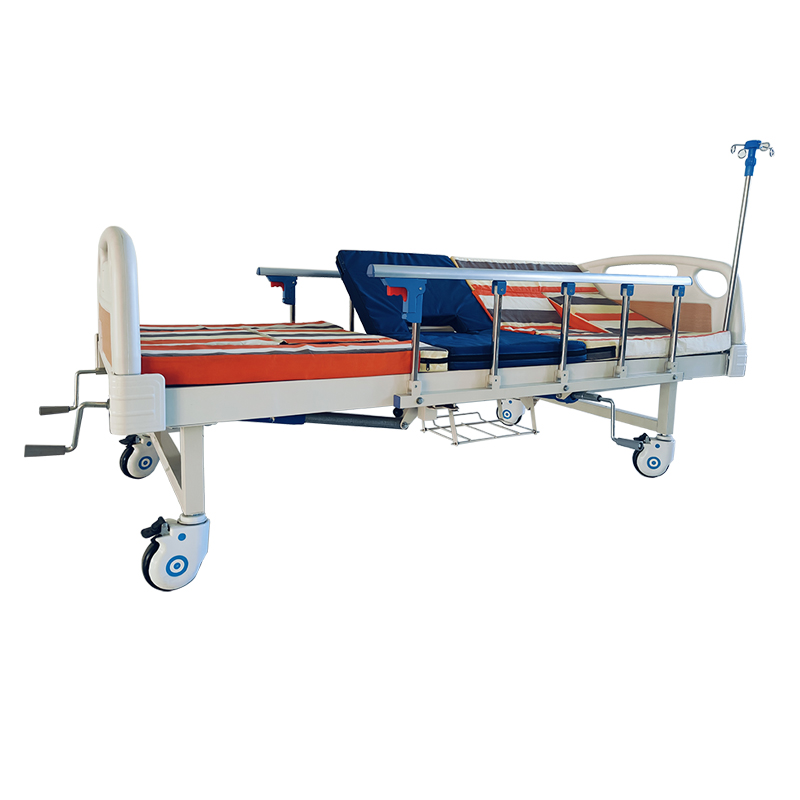
Hospitals, clinics, nursing homes, and healthcare procurement teams often ask the same question: how can they choose medical bedding that balances patient comfort, infection control, durability, and cost? Selecting unsuitable bedding can lead to patient dissatisfaction, increased replacement expenses, hygiene concerns, and operational inefficiencies. Fortunately, by understanding material quality, healthcare standards, maintenance requirements, and supplier reliability, facilities can invest in medical bedding that improves patient care while reducing long-term costs.
The best medical bedding for hospitals and healthcare facilities combines patient comfort, infection control, durability, ease of maintenance, and compatibility with medical beds and mattresses. Healthcare buyers should evaluate fabric composition, laundering performance, moisture management, pressure injury prevention capabilities, and supplier reliability. Choosing high-quality medical bedding not only enhances patient satisfaction and safety but also lowers operational costs through longer service life and reduced replacement frequency.
Medical bedding plays a larger role in healthcare outcomes than many buyers realize. Let’s explore the key factors that healthcare facilities should consider before making a purchasing decision.
What Is Medical Bedding?
Medical bedding refers to specialized bedding products designed for healthcare environments such as hospitals, rehabilitation centers, nursing homes, long-term care facilities, clinics, and home care settings.
Unlike residential bedding, medical bedding must withstand frequent cleaning, strict hygiene protocols, and continuous daily use while maintaining comfort and functionality.
Medical bedding typically includes:
- Hospital bed sheets
- Fitted sheets
- Flat sheets
- Pillowcases
- Blankets
- Mattress covers
- Waterproof protectors
- Underpads
- Specialty pressure-relief bedding
These products work together to create a safe, comfortable, and hygienic environment for patients.
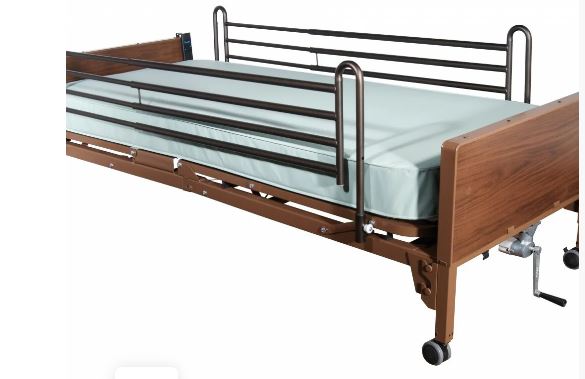
Why Is Medical Bedding Important in Healthcare Facilities?
Many healthcare buyers focus heavily on selecting hospital beds, mattresses, and medical equipment while paying less attention to bedding.
However, patients interact with bedding continuously throughout their stay.
Medical bedding influences:
- راحة المريض
- جودة النوم
- Infection prevention
- Skin protection
- Pressure injury management
- Operational efficiency
- Healthcare costs
Poor-quality bedding can negatively impact both patient experience and facility performance.
High-quality medical bedding supports better clinical outcomes while helping facilities maintain professional standards.
How Does Medical Bedding Affect Patient Comfort?
Softness and Surface Feel
Patients recovering from surgery, injury, or illness often spend extended periods in bed.
Harsh or rough fabrics can create discomfort, particularly for elderly patients and individuals with sensitive skin.
Medical bedding should provide a comfortable sleeping surface while remaining durable enough for healthcare environments.
Temperature Regulation
Maintaining a comfortable body temperature is essential for patient well-being.
Quality medical bedding helps regulate heat and airflow, reducing discomfort caused by overheating or excessive cooling.
Patients who sleep comfortably often report higher satisfaction with their healthcare experience.
Moisture Control
Patients may experience sweating due to illness, medication, fever, or environmental conditions.
Medical bedding with moisture-management properties helps keep patients dry and comfortable.
Proper moisture control also contributes to healthier skin conditions.
What Materials Are Commonly Used in Medical Bedding?
Polyester Blends
Polyester-blend fabrics are widely used throughout healthcare facilities.
تشمل المزايا ما يلي:
- High durability
- Wrinkle resistance
- Fast drying
- Color retention
- Reduced shrinkage
These characteristics help healthcare facilities reduce replacement costs.
Cotton-Polyester Blends
Many hospitals prefer cotton-polyester blends because they provide a balance between comfort and durability.
تشمل المزايا ما يلي:
- Improved softness
- Better breathability
- Enhanced comfort
- Strong laundering performance
These fabrics often offer an ideal compromise between patient satisfaction and operational efficiency.
Advanced Healthcare Textiles
Some facilities invest in specialized medical fabrics that include:
- Antimicrobial technologies
- Fluid-resistant coatings
- Stain-resistant treatments
- Moisture-wicking capabilities
These advanced solutions can provide additional protection in high-risk healthcare environments.
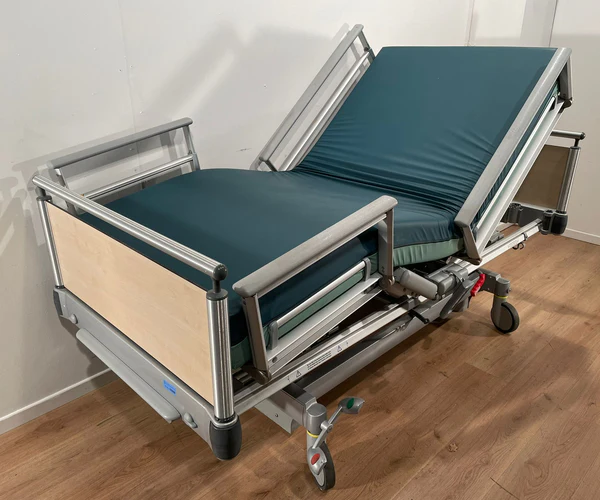
How Important Is Infection Control When Selecting Medical Bedding?
Infection prevention remains one of the most critical priorities in healthcare settings.
Medical bedding can contribute significantly to infection control programs.
Frequent Washing Requirements
Hospital bedding is washed repeatedly throughout its lifecycle.
The bedding must tolerate:
- High-temperature washing
- Industrial laundry equipment
- Healthcare-grade detergents
- Disinfection procedures
Low-quality materials may deteriorate quickly under these conditions.
Resistance to Microbial Growth
Some specialized fabrics are designed to reduce microbial growth on bedding surfaces.
While bedding alone cannot prevent infections, appropriate materials can support broader infection-control efforts.
Easy Cleaning and Maintenance
Medical bedding should allow efficient cleaning without requiring excessive labor or specialized processes.
Simplified maintenance helps healthcare facilities maintain high hygiene standards.
Why Durability Matters for Healthcare Procurement Teams
Medical bedding experiences far more wear than household bedding.
A single set of hospital sheets may undergo hundreds of laundering cycles during its service life.
Reduced Replacement Costs
Durable bedding remains functional longer, reducing procurement expenses.
Facilities can lower total ownership costs by investing in higher-quality products.
Consistent Performance
Durable fabrics maintain:
- Shape
- Color
- Strength
- Comfort
This consistency supports a professional appearance throughout the healthcare facility.
Better Inventory Management
Long-lasting products simplify inventory planning and reduce emergency replacement purchases.
Healthcare procurement managers often prioritize durability because it directly affects budgeting and operational efficiency.
How Does Medical Bedding Help Prevent Pressure Injuries?
Pressure injuries remain a major concern for healthcare providers, particularly among elderly and immobile patients.
Medical bedding can support prevention strategies.
Reducing Friction
Friction between skin and bedding can contribute to tissue damage.
Modern healthcare fabrics often feature smoother surfaces that minimize friction.
Supporting Moisture Management
Excessive moisture weakens skin integrity.
Medical bedding designed to manage moisture helps maintain healthier skin conditions.
Enhancing Air Circulation
Breathable materials improve airflow around the patient.
Better ventilation helps regulate temperature and moisture levels.
Complementing Pressure-Relief Mattresses
Many healthcare facilities use pressure-relief mattresses.
Appropriate bedding should function effectively alongside these specialized support surfaces rather than interfering with their performance.
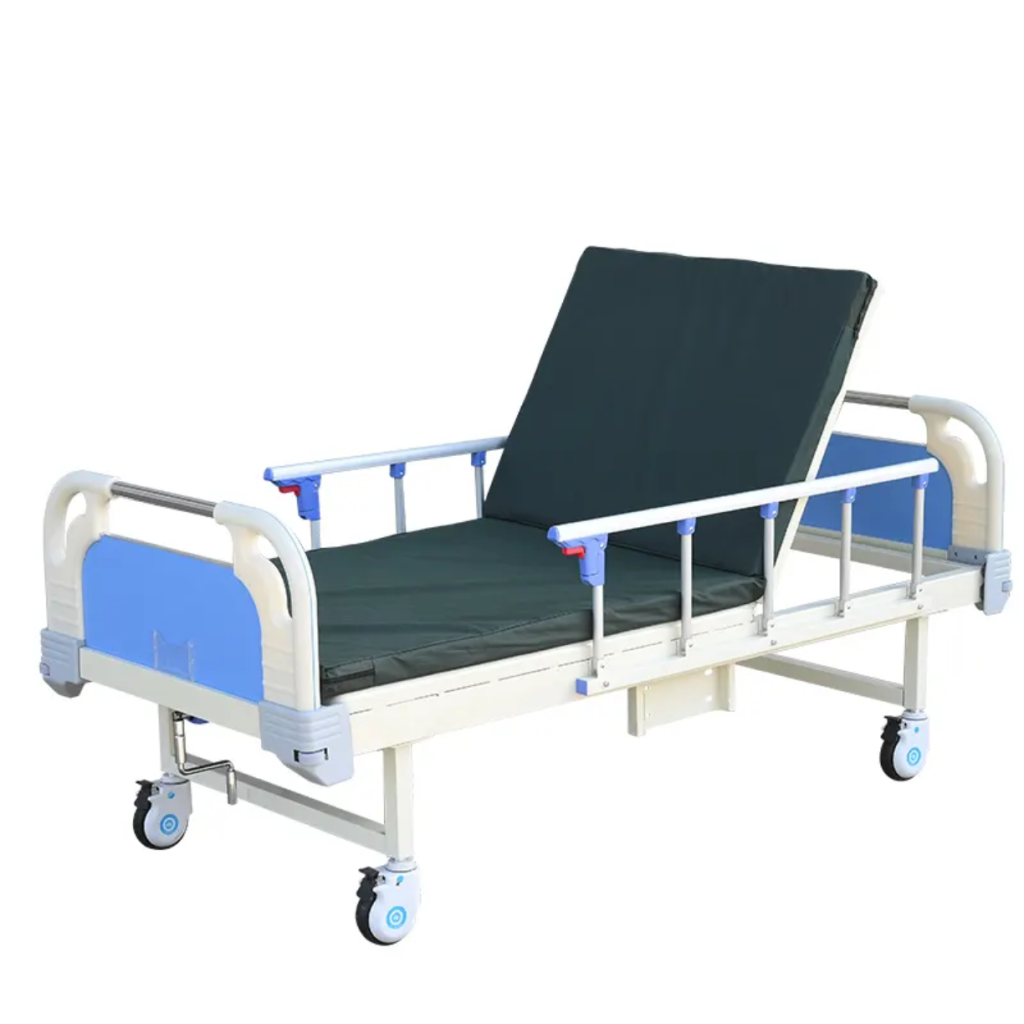
What Features Should Healthcare Buyers Prioritize?
Fabric Quality
High-quality fabrics generally provide:
- Longer lifespan
- Better comfort
- مظهر محسّن
- Greater durability
Laundering Performance
Healthcare bedding must survive repeated industrial washing cycles.
Buyers should verify laundering specifications before purchasing.
Moisture Resistance
Certain patient populations require bedding that can effectively manage fluids and moisture.
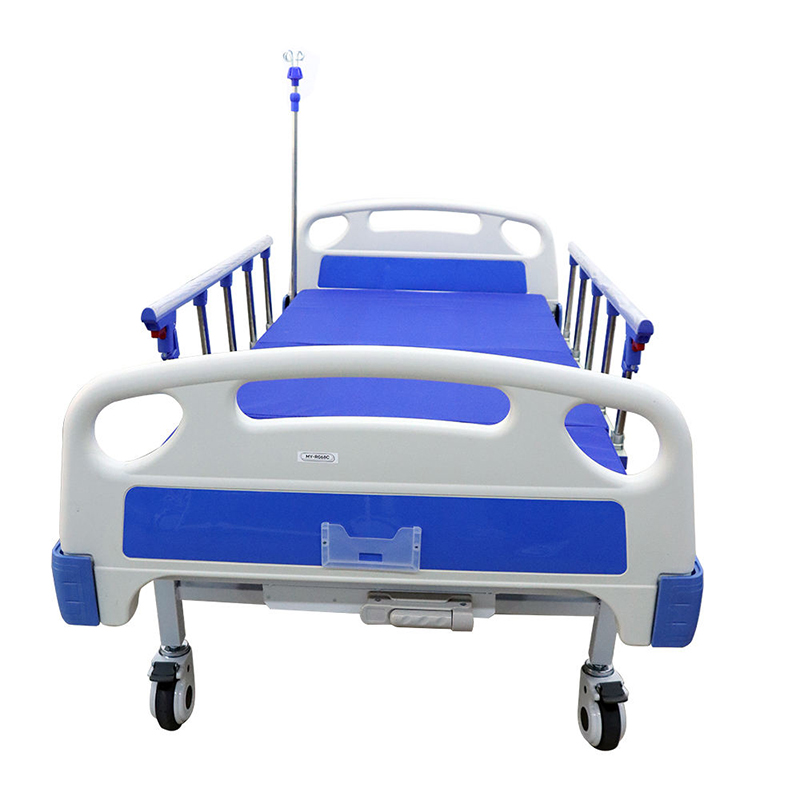
Compatibility with Medical Beds
Bedding dimensions should match hospital bed specifications.
Poor-fitting sheets can affect patient comfort and caregiver efficiency.
Supplier Consistency
Consistent product quality is essential for healthcare facilities operating multiple wards or locations.
How Should Different Healthcare Facilities Choose Bedding?
Acute Care Hospitals
Acute care environments require bedding that can withstand intensive daily use.
Priority considerations include:
- مكافحة العدوى
- Fast turnaround
- High durability
- كفاءة التكلفة
وحدات العناية المركزة
ICU patients often require advanced support systems.
Bedding should provide:
- Enhanced hygiene performance
- Compatibility with specialty mattresses
- Effective moisture management
مراكز إعادة التأهيل
Rehabilitation facilities typically focus on:
- راحة المريض
- Extended use
- Durability
Patients may remain in rehabilitation facilities for longer periods, increasing the importance of comfort.
دور رعاية المسنين
Long-term care facilities often prioritize:
- Skin protection
- Resident comfort
- سهولة الصيانة
- Long product lifespan
مرافق الرعاية المنزلية
Home care patients benefit from bedding that combines comfort with easy cleaning and maintenance.
What Role Does Mattress Protection Play?
Many healthcare facilities underestimate the value of mattress protection.
Medical mattress protectors offer multiple benefits.
Extending Mattress Lifespan
Mattresses represent a significant investment.
Protective covers help prevent damage caused by fluids and contamination.
Improving Hygiene
Protectors create a barrier that reduces contamination risks.
Lowering Replacement Costs
Protecting mattresses can significantly reduce long-term facility expenses.
Supporting Infection Control
Barrier protection helps maintain cleaner sleeping environments.
How Can Healthcare Facilities Reduce Bedding Costs Without Sacrificing Quality?
Cost reduction should never come at the expense of patient care.
Instead, healthcare buyers should focus on long-term value.
Consider Total Cost of Ownership
The cheapest bedding is not always the most economical.
Higher-quality products often last longer and require fewer replacements.
Evaluate Product Lifespan
Durable bedding can significantly reduce annual procurement expenses.
Work Directly with Manufacturers
Many healthcare buyers choose direct manufacturers because they offer:
- Factory pricing
- Stable quality
- Better customization
- Consistent supply
Standardize Product Specifications
Using standardized bedding across facilities simplifies procurement and inventory management.
What Common Mistakes Should Buyers Avoid?
Choosing Based Only on Price
Low-cost bedding may wear out quickly and increase replacement frequency.
Ignoring Laundering Requirements
Not all fabrics can withstand industrial healthcare laundering processes.
Overlooking Patient Experience
Patient satisfaction increasingly influences healthcare facility reputation.
Comfortable bedding contributes positively to the patient experience.
Purchasing Inconsistent Products
Variations in quality and sizing create operational challenges.
Working with Unreliable Suppliers
Supply disruptions can affect daily healthcare operations.
Reliable suppliers help maintain continuity.
Why Is Supplier Selection Just as Important as Product Selection?
Even the highest-quality bedding becomes problematic if the supplier cannot provide consistent support.
Healthcare buyers should evaluate suppliers based on:
Manufacturing Capability
Manufacturers with established production facilities typically provide greater quality control.
Quality Assurance Systems
Strong quality management helps ensure product consistency.
Inventory Availability
Adequate stock supports urgent healthcare procurement needs.
Export Experience
International healthcare buyers benefit from suppliers experienced in:
- Documentation
- Packaging
- Compliance
- Logistics coordination
Customization Capabilities
Some facilities require:
- Custom dimensions
- Private labeling
- Specialized packaging
- Facility-specific specifications
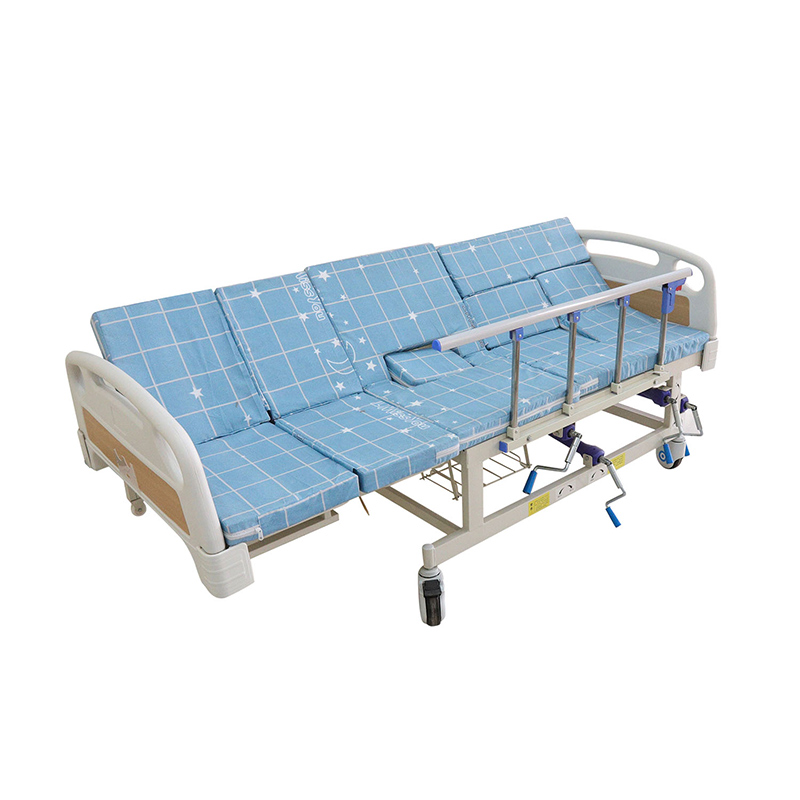
A flexible supplier can better support these requirements.
How Does Medical Bedding Support Healthcare Facility Reputation?
Patient satisfaction increasingly influences healthcare facility success.
Clean, comfortable, and professional bedding contributes to positive perceptions.
Patients often associate bedding quality with:
- Cleanliness
- Professionalism
- Care quality
- Overall comfort
Investing in quality bedding demonstrates commitment to patient-centered care.
Healthcare facilities that prioritize patient comfort often achieve stronger satisfaction ratings and improved reputations.
Why Many Global Healthcare Buyers Choose Professional Manufacturers
Hospitals, distributors, procurement companies, and healthcare organizations frequently partner directly with experienced manufacturers because they provide:
- التسعير المباشر من المصنع
- Stable production capacity
- Consistent quality standards
- أوقات التسليم القصيرة
- Ample inventory
- Customization services
- Reliable international shipping support
For large healthcare projects, dependable manufacturing partners can simplify procurement while ensuring product consistency across multiple facilities.
Future Trends in Medical Bedding
Healthcare bedding continues to evolve alongside broader healthcare innovations.
Emerging trends include:
Antimicrobial Fabrics
More facilities are exploring fabrics that support infection-control initiatives.
Sustainable Materials
Environmental concerns are encouraging greater interest in sustainable textile solutions.
Smart Textile Technologies
Future medical bedding may include integrated monitoring capabilities for patient care applications.
Enhanced Patient Comfort Solutions
Manufacturers continue developing fabrics that improve softness, breathability, and moisture management.
Healthcare buyers who understand these trends can make more future-proof purchasing decisions.
الخاتمة
Choosing medical bedding for hospitals and healthcare facilities involves much more than selecting sheets and blankets. Healthcare organizations must evaluate comfort, durability, infection control, moisture management, pressure injury prevention, laundering performance, and supplier reliability. High-quality medical bedding supports patient satisfaction, protects healthcare investments, and improves operational efficiency. By focusing on long-term value rather than short-term costs, hospitals, clinics, rehabilitation centers, and nursing homes can create safer, cleaner, and more comfortable environments for patients.
What factors matter most when selecting medical bedding for your healthcare facility? Share your thoughts, experiences, or procurement challenges in the comments, and feel free to share this article with colleagues involved in healthcare purchasing decisions.