
Choosing a hospital bed often raises questions about side rail height, strength, and operation, but the spaces around those rails are just as important. If gaps are too large, poorly positioned, or changed by mattress movement, patients may become trapped. Understanding side rail gaps helps buyers evaluate safer bed systems and reduce avoidable entrapment risks.
Side rail gaps matter because openings within or around a hospital bed rail can create entrapment points for a patient’s head, neck, chest, or limbs. Safe bed design considers rail openings, the space between the rail and mattress, gaps near the headboard or footboard, mattress dimensions, and how these spaces change as the bed moves. Hospitals should evaluate the bed, mattress, rails, and accessories as one compatible system rather than assessing the rail alone.
Side rail safety is more than checking whether a rail can be raised and locked. The following sections explain where gaps occur, why they change, and what buyers should examine.
What Are Side Rail Gaps on a Hospital Bed?
Side rail gaps are the openings within the rail itself and the spaces created between the rail and other parts of the bed. They may appear between rail bars, below the rail, beside the mattress, between split rails, or near the headboard and footboard.
A gap is not automatically dangerous. Hospital beds require open areas for access and operation. The concern is whether an opening allows part of a patient’s body to enter and become trapped.
Side Rail Openings Are Part of a Complete Bed System
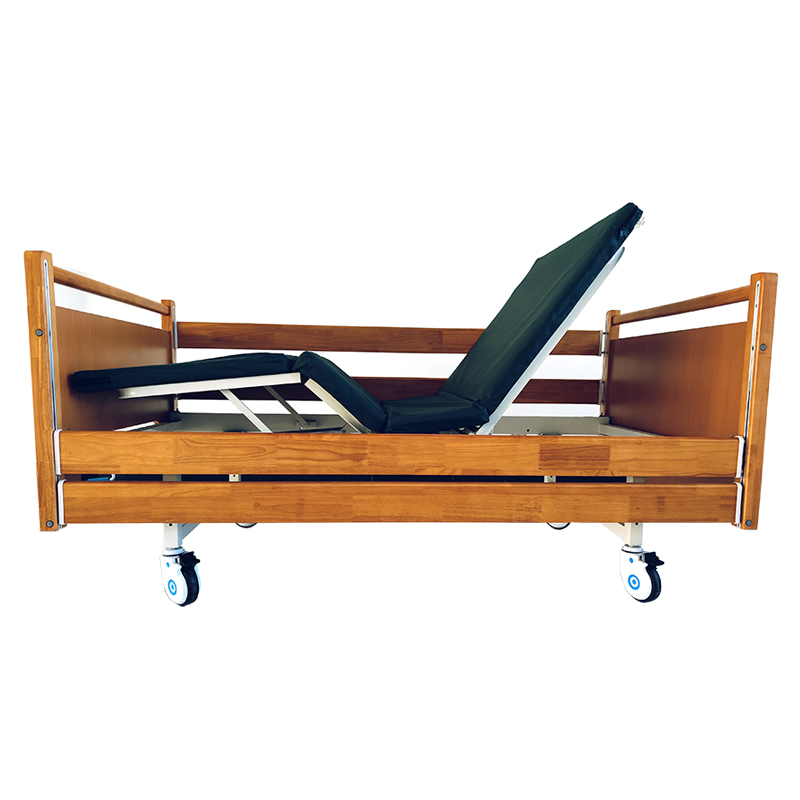
A side rail does not work independently. Its effective gaps depend on the mattress platform, mattress width and thickness, head and foot boards, rail supports, hinges, mounting hardware, and bed articulation.
FDA guidance defines bed-system entrapment as a patient becoming caught, trapped, or entangled in spaces involving the bed rail, mattress, or bed frame. It also treats the frame, mattress, rails, and compatible accessories as a system.
Why Can Incorrect Side Rail Gaps Create Entrapment Risks?
Entrapment can occur when a body part enters an opening but cannot easily be withdrawn. The shape of the opening, patient position, mattress compression, gravity, and bed movement can all influence the outcome.
Patients with limited mobility or difficulty repositioning themselves may be more vulnerable, so rail design should work together with clinical assessment and monitoring.
FDA bed-safety information recommends ongoing patient evaluation when rails are used and specifically advises using a properly sized mattress and reducing gaps between the mattress and side rails.
A Strong Rail Can Still Have a Problematic Opening
Rail material, load resistance, and locking strength matter, but they do not eliminate gap-related hazards.
A robust aluminum or steel rail may still create an undesirable opening if the bars are spaced poorly, the rail sits too far from the mattress, or the mattress does not match the bed platform. Side rail safety therefore includes both mechanical strength and dimensional compatibility.
Where Are the Main Entrapment Areas Around Hospital Bed Side Rails?
The FDA Hospital Bed Safety Workgroup identified seven potential entrapment zones around hospital bed systems. FDA dimensional guidance provides recommended dimensional limits for Zones 1 through 4 and also describes potential risks in Zones 5 through 7.
Openings Within and Below the Rail
Zone 1 is within the rail itself. If openings between rail elements are too large, the patient’s head may enter the rail structure.
Zone 2 is below the rail, between rail supports, or next to a single support. Zone 3 is between the inside surface of the rail and the mattress, an area that can become more obvious when a mattress is too narrow. Zone 4 is under the rail near its ends, where angled or tapered geometry can also matter.
Gaps Between Split Rails and Bed Ends
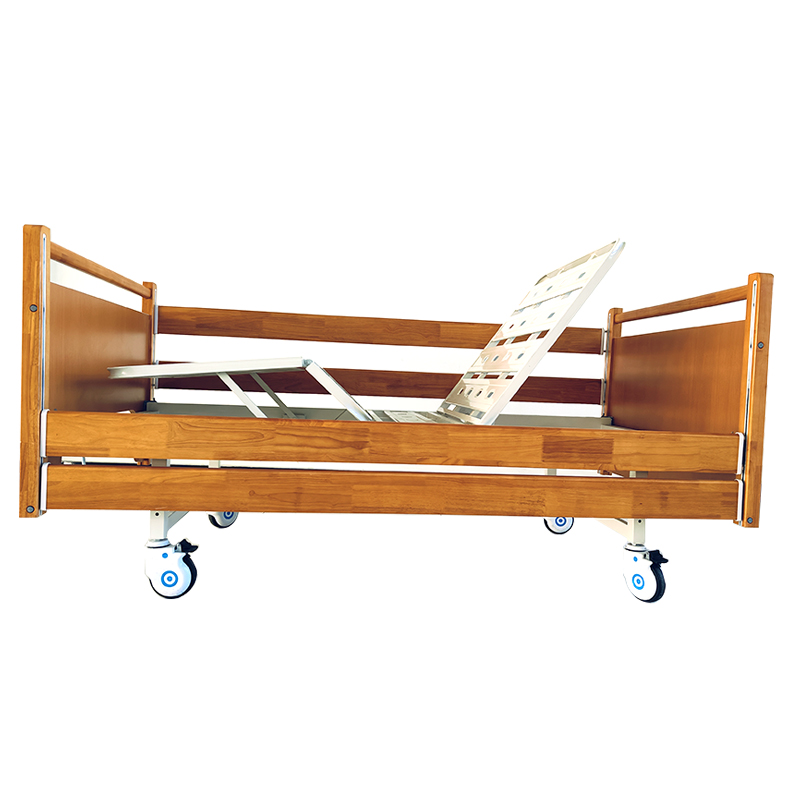
Modern beds often use split or partial-length rails to improve access and transfer. However, the spaces between these components must still be assessed.
FDA identifies Zone 5 as the space between split rails, Zone 6 as the space between a rail end and the side edge of the headboard or footboard, and Zone 7 as the space between the headboard or footboard and the mattress end.
How Does Mattress Size Affect Side Rail Gaps?
Mattress compatibility is one of the most important factors in controlling side rail gaps. A mattress that is too narrow may leave excessive lateral space beside the rail. A mattress that is too short may increase gaps near the headboard or footboard. Thickness also influences how high the patient lies relative to the rail.
Hospital-bed specifications should therefore identify recommended mattress dimensions.
Width, Length, Depth, and Compressibility All Matter
Nominal dimensions are only a starting point. Mattress compression can change the real opening when a patient lies close to the edge. A soft mattress may compress away from the rail, while an overlay may alter the relationship between the mattress surface and side rail.
FDA guidance notes that mattress length, width, depth, compressibility, and surface characteristics can influence openings in several entrapment zones.
Can Side Rail Gaps Change When the Hospital Bed Moves?
Yes. Hospital beds are dynamic products. Raising the backrest, adjusting the knee section, changing bed height, tilting the platform, or raising and lowering a rail can change the geometry around the patient.
A gap that looks acceptable when the platform is flat may become larger, smaller, or more V-shaped when sections articulate. This is especially relevant for multi-function electric beds and beds with folding or split rails.
Evaluate the Bed Through Its Intended Positions
A purchasing inspection should not stop with the bed in a flat position. Buyers can ask suppliers to demonstrate normal bed functions while observing the side rails.
Check whether the rail remains securely locked, whether the mattress shifts, whether openings near the rail ends change, and whether moving platform sections create new pinch or entrapment areas.
Why Do Loose or Worn Side Rails Matter?
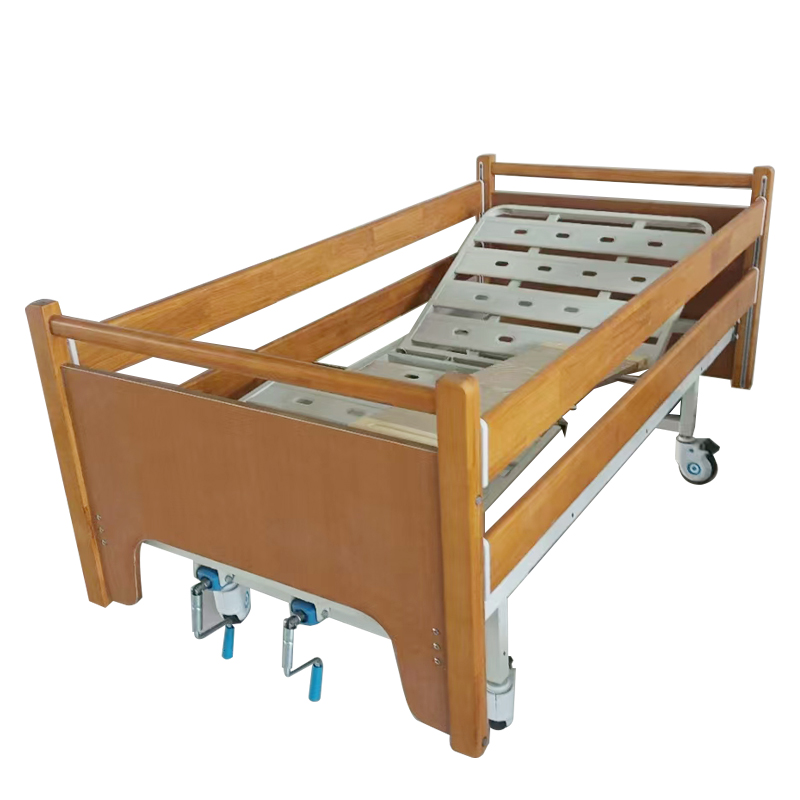
Side rail gaps can change over time. Repeated operation, transport impacts, worn hinges, loose fasteners, deformed supports, or damaged locking mechanisms may allow the rail to move away from its original position.
For large bed fleets, maintenance is therefore part of gap safety.
Maintenance Should Include Gap Observation
Routine checks should include more than confirming that the rail raises and lowers. Staff should look for unusual movement, excessive play, bent components, loose mountings, damaged locks, and visible changes between the rail and mattress.
Replacement parts should match the intended bed model. A rail that physically fits but was not designed for that bed can still change important dimensions.
Are Smaller Side Rail Gaps Always Safer?
Not necessarily. It is tempting to assume that the smallest possible opening is always safest, but hospital beds must balance access, support, cleaning, operation, and avoidance of new pinch points.
More importantly, different bed locations create different entrapment mechanisms. A single universal gap number should not be applied blindly to every opening.
FDA guidance uses specific assessment methods for different identified zones rather than treating all spaces as identical.
Gap Shape Is as Important as Gap Size
A straight rectangular opening and a narrowing V-shaped opening can behave differently. In some situations, a body part may enter through a wider region and then move toward a narrower area.
Evaluation therefore considers geometry, rail movement, mattress compression, and intended patient population, not one measurement alone.
Procurement teams should be cautious when a supplier makes a broad claim such as “all gaps are safe” without explaining the applicable test method, bed configuration, or standard.
What Should Buyers Know About Hospital Bed Safety Standards?
Hospital bed buyers often see references to IEC standards in product documents, and these references should be checked carefully because standards are updated.
IEC 80601-2-52:2026, published on May 5, 2026, addresses the basic safety and essential performance of adult medical beds and includes electrical and non-electrical medical beds within its scope.
Applicable requirements can still vary by market, product type, intended use, and procurement specification.
Do Not Treat One Certificate as the Entire Safety Review
A standards statement is useful, but buyers should verify what product configuration was evaluated. Rail style, mattress type, bed size, optional accessories, and regional versions can differ.
Useful questions include:
- Which standard and edition does the bed claim conformity with?
- Which side rail configuration was included?
- What mattress dimensions are specified?
- Are optional rails or mattresses assessed separately?
- Are there instructions for rail inspection and maintenance?
- Are replacement rails model-specific?
- Can relevant test or conformity documents be provided when required?
How Should Hospitals and Distributors Evaluate Side Rail Gaps Before Ordering?
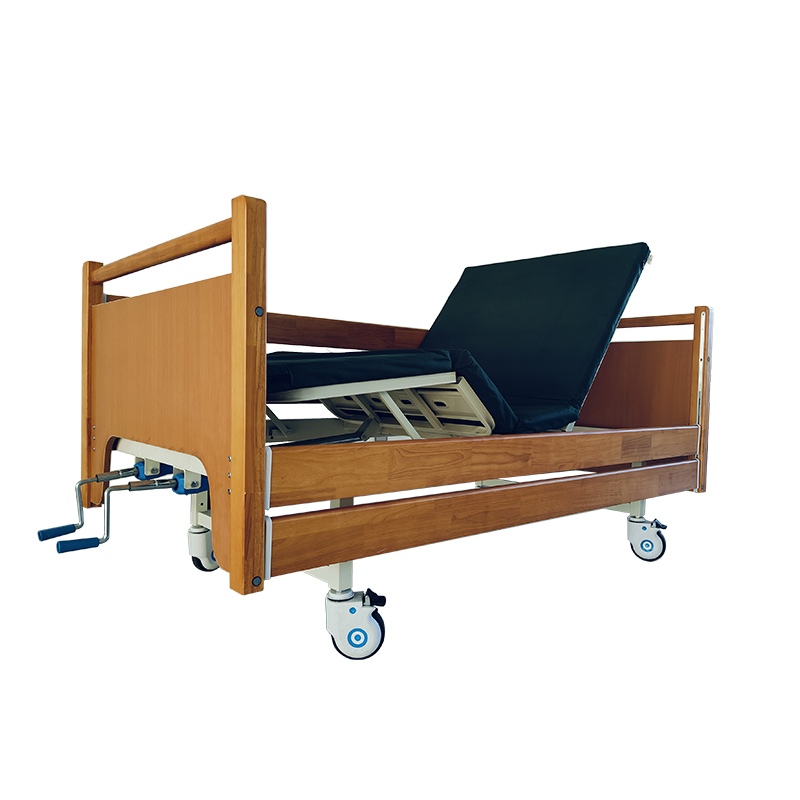
First, confirm the exact bed model and rail type. Full-length, split, folding, and assist rails create different layouts. Second, confirm recommended mattress length, width, and thickness. Third, examine the bed in flat and articulated positions. Finally, review instructions for operation, inspection, maintenance, and compatible accessories.
Use a Repeatable Procurement Checklist
For samples or pre-shipment inspection, buyers can check whether:
- Rail openings match the specified design.
- The rail locks securely without excessive movement.
- The mattress fits without unexpected side or end gaps.
- Split-rail and rail-end spaces have been considered.
- Bed articulation does not create obvious new entrapment areas.
- Headboard and footboard spacing remains compatible with the mattress.
- Optional accessories do not create additional openings.
- Instructions identify correct rail operation.
- Replacement parts can be matched to the correct model.
- Relevant safety and conformity documents are available for review.
Why Should the Bed, Mattress, and Side Rails Be Treated as a Compatible System?
Mixing components from different sources may appear convenient, especially when replacing a mattress or damaged rail. However, even small dimensional differences can change the spaces around the patient.
A replacement mattress may fit the deck but leave a larger side gap. A replacement rail may attach correctly but sit farther from the mattress. An overlay may raise the patient and alter the effective protective height of the rail.
FDA guidance warns that accessories or modifications should not create new entrapment risks and recommends considering mattress dimensions and compatibility when reducing existing openings.
Compatibility Also Supports Long-Term Bed Management
Clear compatibility information also makes after-sales management easier.
When evaluating a supplier, ask for model numbers, compatible accessory lists, mattress specifications, spare-part references, and operating manuals.
Conclusion
Side rail gaps are important because hospital bed safety depends on the spaces created within the rail and between the rail, mattress, platform, headboard, footboard, and other components. These spaces can change with mattress compression, bed articulation, wear, maintenance, or incompatible replacement parts.
Hospitals and medical-bed purchasers should evaluate the complete bed system rather than judging a rail only by height, material, or appearance. Checking mattress compatibility, rail locking, gap geometry, applicable standards, documentation, and spare-part support can make purchasing decisions more systematic.
If you are comparing hospital-bed specifications for a project, share your questions or purchasing concerns in the comments, and feel free to share this guide with colleagues responsible for bed selection, safety review, or medical equipment procurement.