
Urine bag hooks may seem like a minor hospital bed feature, but buyers often wonder why they are necessary and where they should be positioned. If a drainage bag is placed incorrectly, tubing can become difficult to manage, drainage may be obstructed, and bedside care becomes less efficient. A well-designed hook provides a simple and practical solution.
Urine bag hooks on hospital beds provide a secure place to hang urinary drainage bags below the patient’s bladder. They help keep the bag off the floor, support gravity drainage, reduce unnecessary tubing movement, and improve bedside organization. Proper hook placement also helps prevent the bag and tubing from interfering with casters, side rails, or adjustable bed mechanisms during routine care and transport.
The hook is simple, but its position and design affect usability. Understanding its purpose helps buyers evaluate hospital beds more carefully.
What Is a Urine Bag Hook on a Hospital Bed?
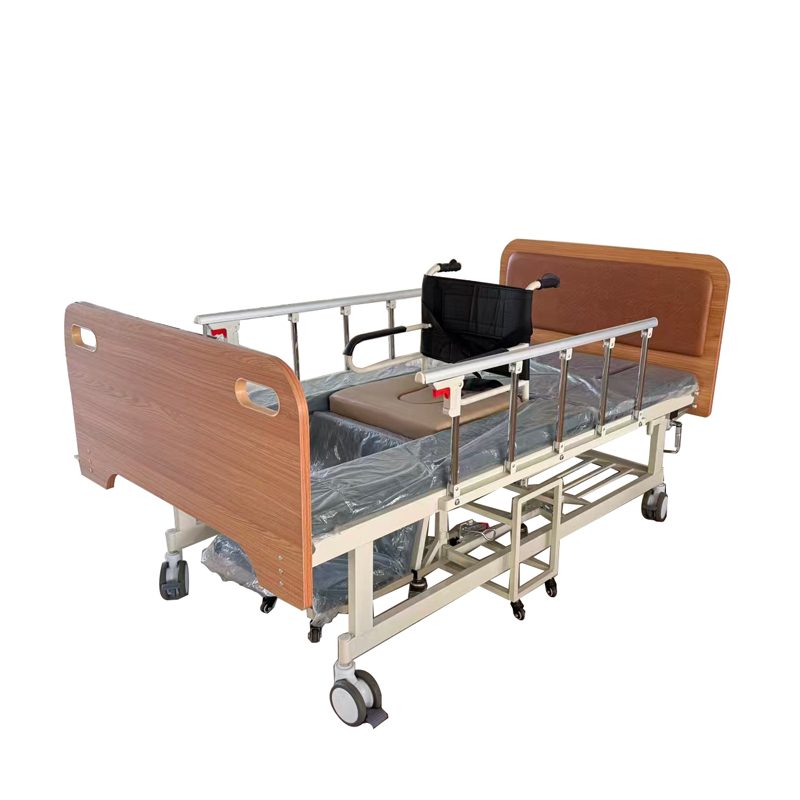
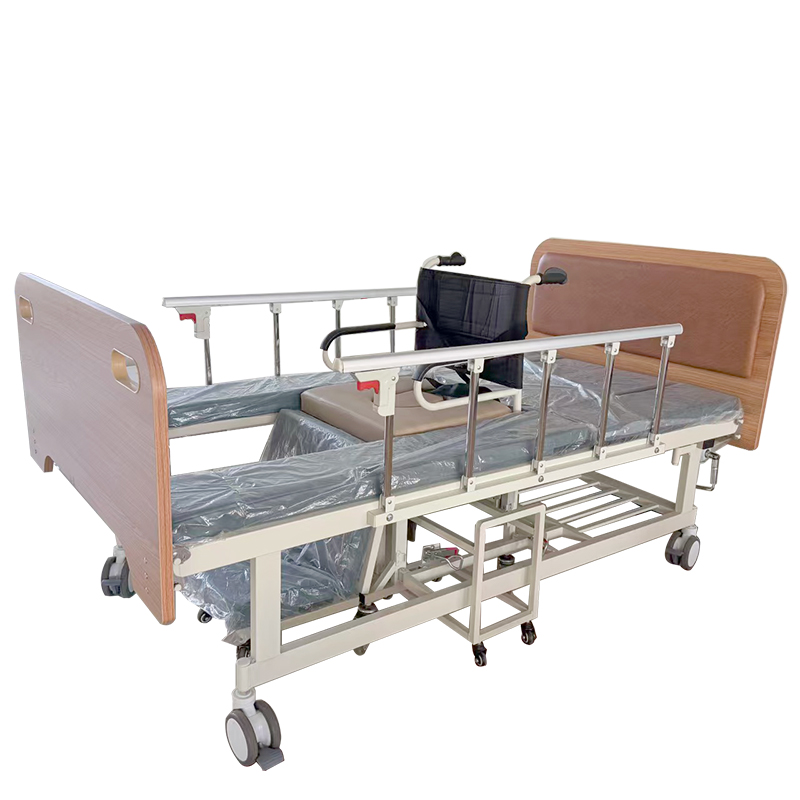
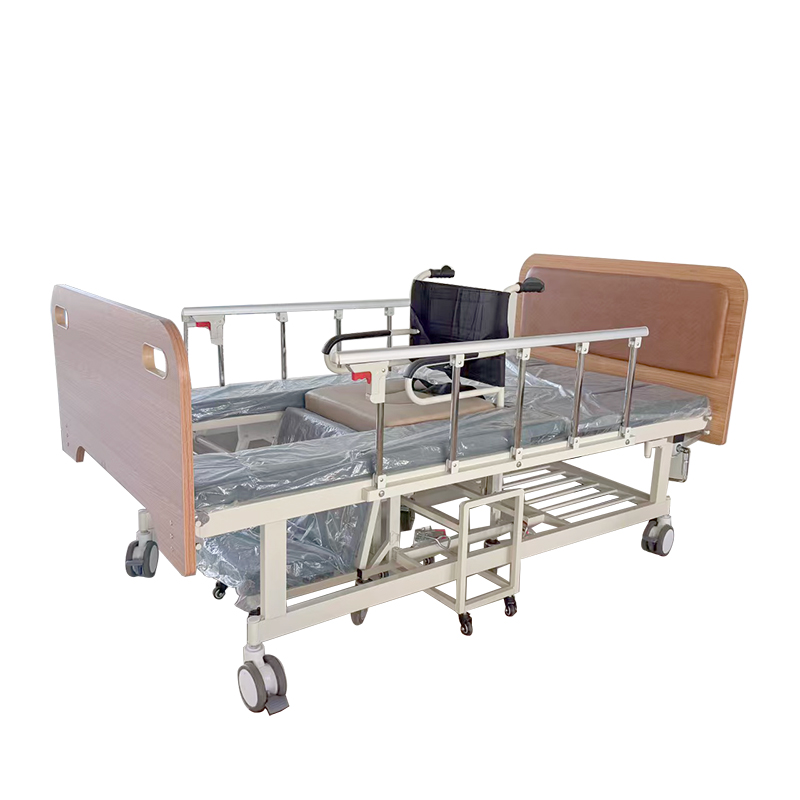
A urine bag hook is a small attachment point installed on the frame of a hospital bed or home care bed. It is designed to support a urinary drainage bag or another compatible collection bag during patient care.
The hook may be welded directly to the frame, formed as part of a bracket, or integrated into the lower side of the mattress platform. Some beds have one hook, while others provide hooks on both sides.
Its purpose is to give staff a predictable place to position the drainage bag instead of placing it on the floor, tying it to a side rail, or attaching it to another unsuitable part of the bed.
Why Is a Dedicated Hook Better Than an Improvised Attachment Point?
Without a dedicated hook, the bag may be attached wherever space is available. It could end up near a caster, on a moving side rail, or on a component that changes position when the bed is adjusted.
A dedicated hook creates a more consistent location and makes the drainage system easier to organize. For hospital buyers, this is important because a practical bed should support not only patient positioning but also common bedside equipment.
Why Should a Urine Bag Be Positioned Below the Bladder?
One of the main reasons for installing urine bag hooks is to help keep the collection bag below bladder level.
Urinary drainage systems generally rely on gravity. Urine passes through the catheter and tubing into the collection bag. Keeping the bag below the bladder helps maintain a downward drainage path.
If the bag is positioned too high, drainage may become less effective. The hook therefore provides a simple physical support for maintaining a more appropriate collection-bag position.
How Does Gravity Affect Urinary Drainage?
Gravity helps urine travel downward through the drainage tubing. The tubing should also remain free from unnecessary loops, compression, or kinks.
This is why hook location matters. A properly positioned hook allows the bag to hang naturally without stretching the tubing.
However, the hook itself does not guarantee correct catheter drainage. Clinical staff still need to check the tubing, bag position, catheter securement, patient posture, and urine output. The bed simply provides a suitable attachment point that makes correct positioning easier.
Why Should the Urine Bag Stay Off the Floor?
Another important purpose of the hook is to keep the collection bag away from the floor.
A bag placed directly on the floor can come into contact with shoes, cleaning equipment, dirty surfaces, or moving bed casters. It may also be kicked, compressed, or damaged accidentally.
Suspending the bag from the bed keeps it in a more controlled position and makes it easier for caregivers to inspect.
Why Does Bed Height Affect Floor Clearance?
Hospital beds are often height adjustable. A bag may have plenty of clearance when the bed is raised but come much closer to the floor when the bed is lowered.
Therefore, buyers should not evaluate urine bag hook placement only when the bed is in one position. During inspection, lower the bed completely and check whether a typical drainage bag still remains clear of the floor.
This is especially important for low-height beds or models with large casters and limited space beneath the mattress platform.
How Do Urine Bag Hooks Help Organize Drainage Tubing?
Urinary drainage tubing should follow a simple route from the patient to the collection bag.
When the bag has a fixed position, tubing can be arranged more consistently. Staff can more easily see whether the line is kinked, compressed, stretched, or trapped between bed components.
A good hook location should let the tubing reach the bag without excessive tension. At the same time, it should prevent loose tubing from hanging close to casters or moving mechanisms.
Why Does Tubing Organization Matter on Adjustable Beds?
Adjustable hospital beds can change shape significantly during use. The backrest may rise, the leg section may lift, and the entire platform may move up or down. Some beds also provide Trendelenburg and reverse Trendelenburg functions.
These movements change the relationship between the patient, drainage tubing, and bed frame.
If the hook is poorly positioned, tubing that is loose when the bed is flat may become tight after adjustment. It may also become caught between moving sections.
For this reason, buyers should evaluate the drainage bag and tubing through the full movement range of the bed rather than checking only a static product display.
Why Are Urine Bag Hooks Often Installed on Both Sides?
Many hospital beds provide urine bag hooks on both sides because room layouts and patient-care requirements vary.
One side of the bed may be close to a wall or bedside cabinet. The other side may contain an IV pole, monitor, infusion pump, or other medical equipment. Caregivers may also need to keep one side open for patient transfer.
With hooks on both sides, staff can choose the more practical position for the drainage bag.
How Do Double-Sided Hooks Improve Flexibility?
Hospital beds are often moved between rooms and departments. The accessible side may change according to the room layout.
Double-sided hooks make the same bed easier to use in different settings because staff do not need to force every drainage setup onto one side.
They can also place the bag where it is easier to see and inspect without blocking other equipment. For hospitals, clinics, nursing facilities, and distributors, this added flexibility can be useful even though the hook itself is a very small component.
Why Are Urine Bag Hooks Useful During Bed Transport?
Hospital beds are frequently moved between patient rooms, examination areas, procedure rooms, or diagnostic departments. The drainage bag needs to move with the patient.
A dedicated hook provides a consistent attachment point so the bag does not need to be carried by hand or placed temporarily on the mattress during transport.
This helps keep the drainage setup organized when staff are also managing IV lines, monitors, oxygen equipment, or other accessories.
What Should Be Checked Before the Bed Is Moved?
Before transport, staff should make sure the bag is secured, the tubing has enough slack, and neither component can become caught in the casters.
The collection bag should not hang so low that it touches the floor. It should also remain reasonably stable when the bed is pushed through corridors or over thresholds.
From a procurement perspective, buyers should consider how the hook performs when the bed is moving, not just when it is stationary.
What Should Buyers Check When Evaluating Urine Bag Hooks?
The presence of a urine bag hook should not be treated as a simple yes-or-no specification. Several details affect its real-world value.
First, check the location. The hook should allow the bag to remain below bladder level while maintaining sufficient floor clearance.
Second, check accessibility. Staff should be able to attach or remove the bag without reaching through complicated mechanisms.
Third, inspect the hook shape and construction. It should hold the bag securely and resist bending during normal use.
Fourth, confirm whether hooks are provided on one side or both sides.
Finally, consider whether the hook interferes with side rails, height adjustment, caster movement, brakes, or other accessories.
Test the Hook Through the Bed’s Full Movement Range
A useful procurement test is to attach a representative drainage bag and operate the bed through its main functions.
Raise and lower the bed. Elevate the backrest. Adjust the leg section. Operate Trendelenburg functions if available. Move the side rails and push the bed a short distance.
Then check whether the bag remains clear of the floor and whether the tubing becomes tight, kinked, or trapped.
Are Urine Bag Hooks Useful on Home Care Beds?
Urine bag hooks can also be valuable on home care beds when patients use urinary drainage equipment.
The same basic positioning principles still apply: the bag needs a stable location below the bladder, and the tubing should follow a clear route without kinks or excessive pulling.
A built-in hook can be more convenient than attaching the bag to household furniture or using an improvised hanger.
Why Does Caregiver Access Matter at Home?
Home care beds are often positioned closer to walls, cabinets, or other furniture than beds in hospital wards.
If one side of the bed is difficult to access, double-sided urine bag hooks provide more flexibility. Caregivers can choose the side that makes the drainage bag easier to inspect while keeping the walking area clear.
For distributors that supply both hospital and home care markets, this small feature can improve the adaptability of a bed model across different environments.
Why Does This Small Feature Matter in Hospital Bed Procurement?
Hospital bed purchasing often focuses on major functions such as safe working load, bed height, backrest adjustment, side rails, casters, central locking, CPR release, Trendelenburg positioning, and battery backup.
However, small accessories also influence everyday usability.
Urine bag hooks support a common bedside task and help keep drainage equipment in a predictable location. A bed with thoughtful accessory placement can therefore be easier for nursing staff to use than one designed only around major mechanical functions.
Small Details Can Reveal Practical Bed Design
When buyers inspect a hospital bed, they should consider how the bed supports real clinical workflows.
Are urine bag hooks available on both sides? Are they easy to reach? Do they remain clear of the floor when the bed is lowered? Can they be cleaned easily? Do they interfere with casters, side rails, or other accessories?
These questions help purchasers compare beds that may appear very similar on a specification sheet.
What Is the Main Purpose of Urine Bag Hooks on Hospital Beds?
The main purpose of urine bag hooks is to provide a secure and convenient place to hang urinary drainage bags.
By supporting the bag below bladder level and away from the floor, the hooks help create a more practical gravity-drainage setup. They also support better tubing organization, easier caregiver access, and more consistent bag positioning during bed adjustment or transport.
Their value depends strongly on placement. A well-designed hook should remain accessible, maintain floor clearance, avoid moving mechanisms, and allow tubing to follow a simple route.
For this reason, buyers should evaluate urine bag hooks as part of the complete hospital bed design rather than viewing them as an insignificant accessory.
Conclusion
Urine bag hooks serve a simple but important purpose on hospital beds. They provide a dedicated attachment point for urinary drainage bags, helping keep the bag below bladder level, off the floor, and organized beside the bed. Good placement can also make tubing easier to manage and support more convenient bedside care and transport.
For hospital bed purchasers, it is worth checking the number of hooks, their position, strength, accessibility, floor clearance, and interaction with adjustable bed functions before placing a bulk order.
Jcare supplies hospital beds, home care beds, rehabilitation products, other medical furniture, and related medical bed accessories for wholesale and project procurement. Buyers can compare configurations according to ward requirements, accessory needs, and intended use.
What hospital bed accessories are most important in your market? Share your experience or questions, and feel free to pass this article to colleagues involved in hospital bed purchasing.