
Choosing hospital beds for maternity wards raises important questions for hospital buyers: Which functions are essential, how much adjustability is needed, and should the ward use manual or electric models? A poor choice can reduce patient comfort, slow nursing work, and increase maintenance costs. The solution is to evaluate beds according to maternity care workflows, safety, hygiene, durability, and long-term operating needs.
The best hospital beds for maternity wards combine comfortable positioning, safe side rails, suitable bed height, reliable brakes, smooth mobility, easy-to-clean surfaces, and simple controls. Buyers should choose manual or electric functions based on patient turnover, nursing workload, maintenance capability, and budget. Standard maternity ward beds should also be distinguished from specialized delivery beds used during labor and childbirth.
The following sections explain the key features buyers should compare before selecting maternity ward beds for bulk procurement.
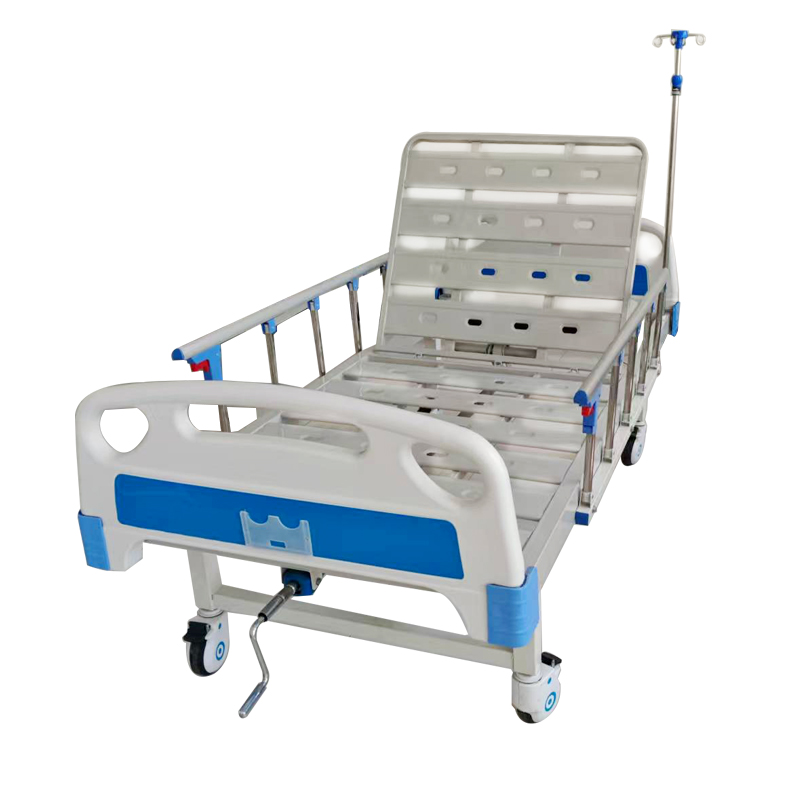
Why Maternity Ward Bed Selection Requires Special Attention
Hospital beds in maternity wards may be used during prenatal observation, postpartum recovery, and general inpatient care. Although they resemble standard ward beds, maternity patients often have different comfort and mobility needs.
A woman recovering after childbirth may need help sitting up, changing position, getting out of bed, feeding her baby, or receiving routine examinations. Nurses also need quick access to the patient and must be able to adjust, move, and clean the bed efficiently.
Therefore, procurement should consider both purchase price and long-term daily use.
Consider Patient Recovery and Mobility
Mobility can vary significantly among maternity patients. Some mothers can walk independently soon after delivery, while others may need assistance because of fatigue, pain, surgery, or a slower recovery.
An adjustable backrest helps the patient move from a flat position into a more upright posture. This can make eating, resting, breastfeeding, and communicating with visitors more comfortable.
Bed height also matters. A bed that is too high can make getting in and out more difficult, while a bed that is too low may force nurses to bend repeatedly during bedside care.
Height-adjustable beds provide greater flexibility because they can be lowered for patient access and raised when staff need a more ergonomic working position. Buyers should select functions according to actual care needs rather than assuming every maternity bed requires the maximum configuration.
Evaluate Nursing Workflow
In a busy maternity ward, staff may need to reposition patients, change bedding, move beds, clean equipment, and respond quickly to clinical needs. Bed controls should therefore be simple, intuitive, and easy to reach.
Procurement teams should consider who will operate the bed most often. Electric beds can reduce physical effort where adjustments are frequent, while manual crank beds may suit smaller facilities or areas where positions are changed less often.
What Functions Are Most Important in a Maternity Ward Hospital Bed?
Hospital beds can include backrest adjustment, leg-rest adjustment, height adjustment, central locking, and electric controls. Not every maternity ward needs every feature.
Before comparing quotations, buyers should identify which positions and movements are used most often.
Backrest, Leg-Rest, and Height Adjustment
Backrest adjustment is one of the most practical functions for maternity ward patients. Raising the upper body can improve comfort during meals, breastfeeding, reading, conversations, and general rest.
Leg-rest adjustment provides additional positioning flexibility, while height adjustment can support both patient access and staff ergonomics.
When the bed is lowered, some patients may find it easier to place their feet on the floor before standing. When it is raised, nurses may work at a more convenient height during examinations, bedding changes, or routine care.
Buyers should compare the minimum and maximum platform heights in the technical specifications. For general postpartum wards, a two-function or three-function bed may be sufficient in many cases. Higher-function models may be more suitable where frequent repositioning is required.
Side Rails and Patient Safety
Side rails provide support and can help create a more secure sleeping environment, but their design should still allow convenient access for medical staff.
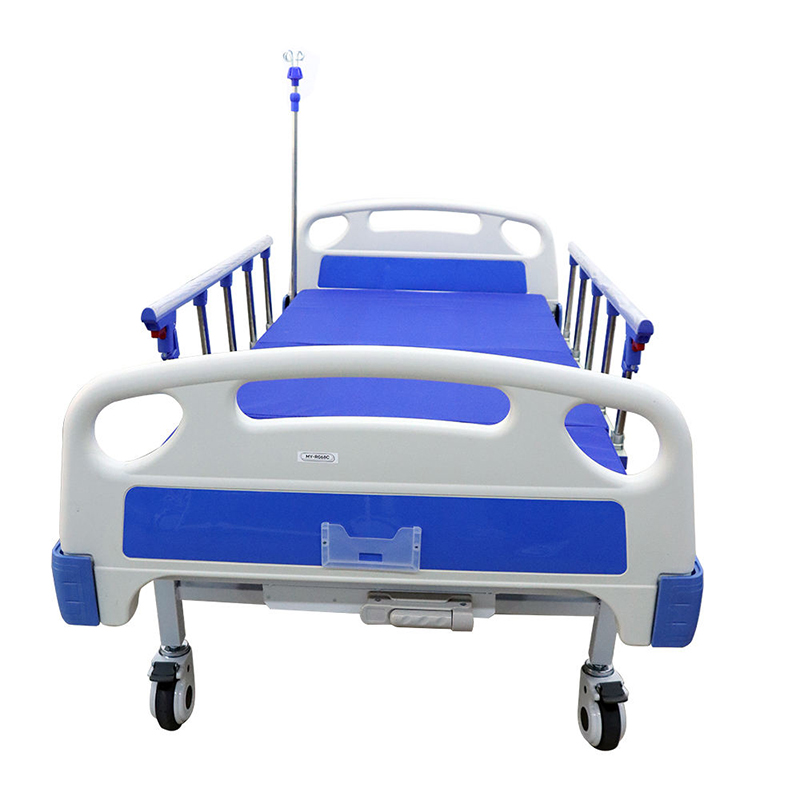
Common options include split ABS side rails, full-length rails, and foldable aluminum alloy rails. Buyers should check whether the rails are easy to raise and lower, whether the locking mechanism engages reliably, and whether the structure feels stable during normal use.
The design should also be practical for cleaning. Close-up photographs, operation videos, or samples can help buyers assess rail quality more accurately than general catalog images.
How Important Are Hygiene and Cleaning Features?
Maternity ward beds are used by different patients over time, so frequent cleaning is part of routine hospital management. A bed that is difficult to clean can increase housekeeping workload and create unnecessary maintenance problems.
Choose Easy-to-Clean Materials and Surfaces
Hospital bed frames are commonly made from coated steel, while headboards, footboards, and side rails may use ABS or other durable materials.
Smooth surfaces and simple structures are generally easier to wipe. Detachable components can also make maintenance more convenient, provided they remain secure during use.
The mattress should fit the platform correctly and have a cover suitable for the hospital’s cleaning procedures. Before bulk ordering, buyers should confirm mattress dimensions, thickness, and compatibility with the bed.
Maintenance should also be considered. Buyers should confirm available spare parts for electric or manual adjustment systems before purchasing.
How Can Buyers Evaluate Durability and Stability?
Hospital beds are long-term equipment. Differences in frame quality, caster performance, or adjustment reliability can become important after years of daily use.
Check the Frame, Load Capacity, Casters, and Brakes
Buyers should ask about frame materials, platform construction, welding quality, and recommended working load. The required capacity should match the hospital’s patient population and procurement standards.
The bed should remain stable when the backrest is raised or when a patient changes position.
Casters affect both mobility and safety. Wheels should roll smoothly on hospital flooring, turn easily, and remain stable when the brakes are engaged.
Individual brakes are common, while central locking may be more convenient where beds are moved frequently.
For large orders, sample testing allows buyers to inspect the frame, finish, rails, controls, wheels, brakes, and workmanship before mass production. Bulk production should follow the same approved specifications.
Should Maternity Wards Choose Electric or Manual Hospital Beds?
Both electric and manual hospital beds can be suitable for maternity wards. The correct choice depends on workload, patient needs, staffing, budget, and maintenance resources.
Electric beds offer convenient powered adjustment, while manual models generally have simpler mechanical systems and lower initial costs.
Compare Electric and Manual Beds Based on Actual Use
Electric hospital beds are useful when position changes occur frequently. Depending on the model, patients or staff can adjust the backrest, leg section, or height through a handset or control panel.
This can reduce manual effort in high-volume maternity hospitals. However, electric beds may have higher purchase and maintenance costs, so buyers should consider the availability of replacement motors, handsets, batteries, and electrical components.
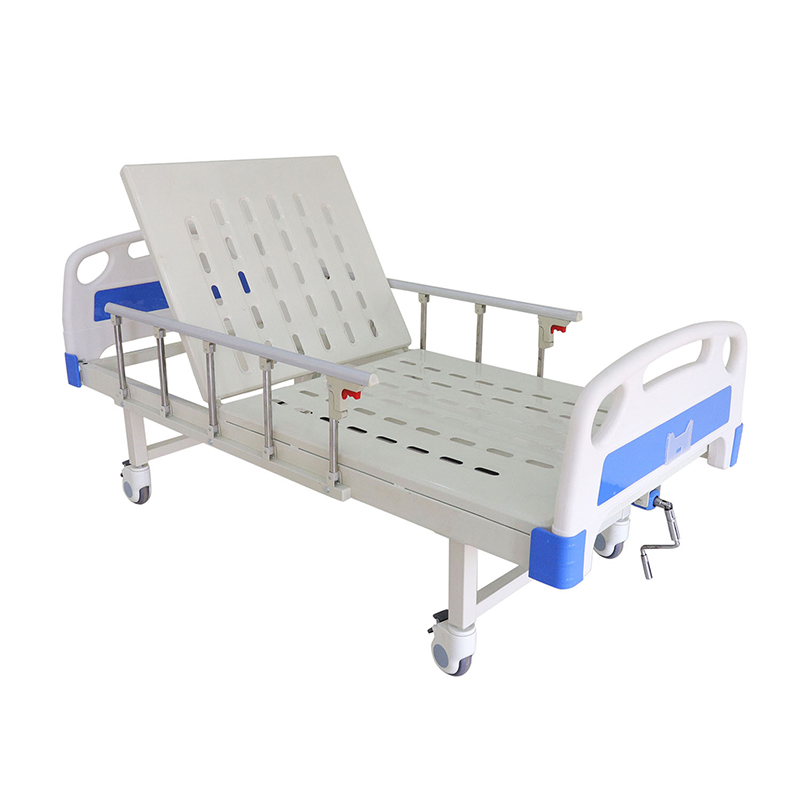
Manual beds use crank mechanisms and can be practical for smaller clinics or areas where adjustments are less frequent. Their simpler construction may also be easier to maintain where technical support is limited.
Some hospitals combine higher-function electric beds with simpler manual models in different ward areas. This can help balance functionality and procurement cost.
What Should Buyers Confirm Before Placing a Bulk Order?
Before production, hospitals and distributors should confirm specifications, accessories, packaging, delivery, and after-sales support.
Confirm Specifications, Accessories, and Export Packaging
Before ordering, buyers should confirm bed dimensions, platform size, functions, side rail type, caster system, mattress specifications, load capacity, and optional accessories.
They should also clarify whether IV poles, drainage hooks, mattresses, bedside cabinets, over-bed tables, or other items are included.
For international orders, buyers should confirm whether beds are shipped assembled, semi-assembled, or disassembled and what installation work is required after arrival.
For distributors, repeat-order consistency is also critical. Suppliers should maintain agreed specifications and communicate clearly before making changes to components or appearance.
Evaluate the Supplier’s B2B Support
A reliable supplier relationship can be as important as the bed itself. International buyers should consider communication, quality control, lead time, stock availability, spare-parts support, and repeat-order capability.
Jcare supplies hospital beds, home care beds, rehabilitation products, medical furniture, and medical bed accessories for B2B and wholesale buyers. For maternity ward projects, buyers can discuss manual or electric configurations, side rails, caster systems, mattresses, and related accessories. Clear information about quantity, functions, destination, accessories, and delivery schedule helps suppliers prepare accurate quotations and production plans.
People Also Ask About Hospital Beds for Maternity Wards
What Type of Hospital Bed Is Best for a Maternity Ward?
The best bed depends on the ward’s workflow and patient needs. Adjustable beds with safe rails, suitable height, reliable brakes, comfortable mattress support, and easy-to-clean surfaces are practical choices. Electric beds may suit high-volume hospitals, while manual models can be sufficient for smaller facilities or lower-budget projects.
Are Maternity Ward Beds the Same as Delivery Beds?
No. Standard maternity ward beds are commonly used for prenatal observation, postpartum recovery, and general inpatient care. Specialized obstetric or delivery beds are designed for labor and childbirth procedures. Buyers should define the intended clinical use before selecting equipment.
How Many Functions Should a Maternity Hospital Bed Have?
There is no single configuration for every hospital. Backrest adjustment is often a basic requirement, while leg-rest and height adjustment provide additional flexibility. Buyers should select functions according to patient mobility, nursing workload, care procedures, and budget.
Are Electric Hospital Beds Better for Maternity Wards?
Electric beds can make frequent position changes easier and reduce manual effort for staff. However, they may cost more and require electrical maintenance. Manual beds remain practical for many facilities. The better option depends on adjustment frequency, staffing, budget, and technical support.
What Should Buyers Inspect Before Bulk Purchasing?
Buyers should inspect the frame, rails, casters, brakes, controls, adjustment mechanisms, mattress compatibility, dimensions, surface finish, packaging, and accessories. For large orders, sample evaluation can help identify potential issues before mass production and reduce procurement risk.
Conclusion
Choosing hospital beds for maternity wards requires a careful balance of patient comfort, nursing efficiency, safety, hygiene, durability, and budget. Buyers should begin by defining how the beds will be used during prenatal observation, postpartum recovery, and general maternity care.
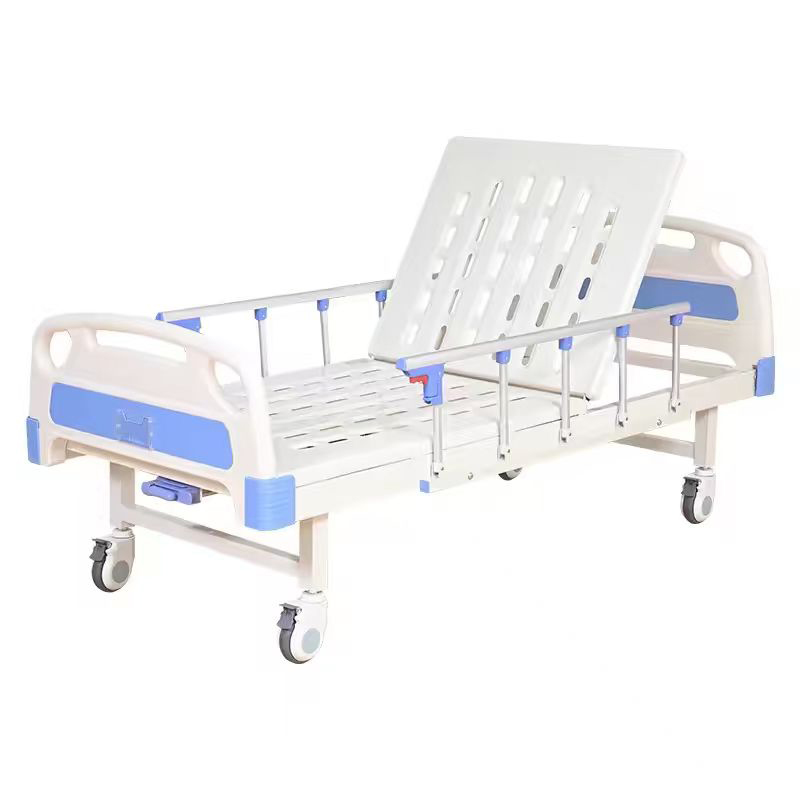
Backrest adjustment, appropriate bed height, dependable side rails, smooth casters, effective brakes, easy-to-clean surfaces, and compatible mattresses are among the most important factors to compare. Hospitals should also decide between electric and manual models according to workload, maintenance capability, and long-term operating costs.
For international B2B buyers, sample testing, detailed specification confirmation, reliable export packaging, spare-parts support, and consistent repeat-order quality are essential parts of the purchasing process.
Have experience purchasing hospital beds for maternity wards? Share your questions or procurement considerations in the comments, and share this article with colleagues who are comparing hospital bed options for upcoming projects.