
Many hospital bed buyers ask which features truly make daily care easier for nurses, caregivers, patients, and distributors. This question matters because the wrong bed design can increase caregiver workload, reduce patient comfort, and create more after-sales complaints. The solution is to choose hospital beds with practical, durable, and easy-to-use features that support real care routines.
Hospital bed features that make daily care easier include adjustable height, backrest lifting, leg positioning, secure side rails, smooth casters, central brakes, easy-clean surfaces, strong mattress platforms, simple controls, and accessory compatibility. For hospitals, clinics, and home care providers, these features improve patient comfort, reduce caregiver strain, simplify transfers, and support safer daily operation.
Daily care is not only about treatment. It is also about movement, cleaning, safety, and efficiency. The right bed can make every routine smoother.
Why Hospital Bed Features Matter in Daily Care
Hospital beds are used many times every day. Nurses adjust patient positions, caregivers help with transfers, cleaners disinfect surfaces, and patients often rely on bed functions for comfort. Therefore, every feature must support practical use, not just look good in a product catalog.
For B2B buyers, this is especially important. Hospitals, private clinics, nursing homes, rehabilitation centers, and home care distributors all need beds that can perform reliably under repeated use. If a bed is difficult to operate, hard to clean, or unstable during movement, the buyer may face complaints, maintenance costs, and customer dissatisfaction.
Jcare focuses on wholesale hospital beds, home care beds, rehabilitation products, medical furniture, and bed accessories for international buyers. With factory pricing, ample stock, and short delivery time, Jcare helps distributors and medical purchasers choose beds that fit daily care needs more effectively.
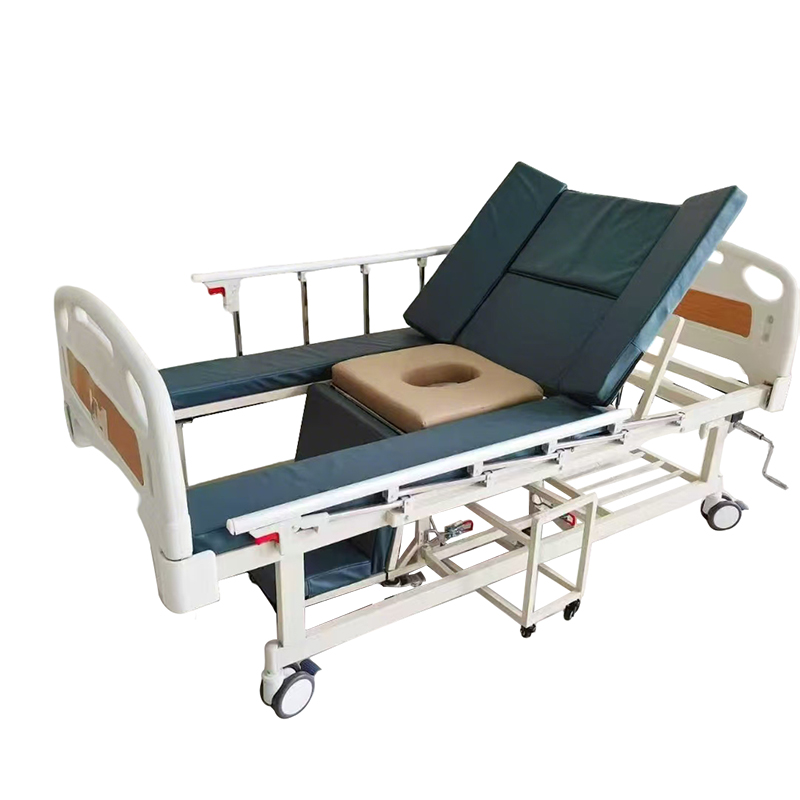
Adjustable Height Makes Care More Comfortable and Safer
Easier Nursing Operation
Height adjustment is one of the most practical hospital bed features. When caregivers need to change dressings, assist feeding, clean the patient, or check vital signs, the bed height can be raised to a comfortable working level. This reduces the need for bending and helps caregivers work more efficiently.
In busy hospitals or clinics, this feature is especially valuable. Staff may care for many patients in one shift. A bed that supports proper working height can reduce physical strain and make repeated care tasks easier.
Better Patient Transfers
Adjustable height also helps with patient transfers. When moving a patient from the bed to a wheelchair, stretcher, or transfer chair, matching the bed height with the receiving surface can make the process smoother. This is important for elderly patients, post-surgery patients, and people with limited mobility.
For distributors, adjustable height can make a hospital bed more suitable for different customer groups. Hospitals may need it for intensive care or general wards, while home care buyers may choose it to support family caregivers.
Backrest Lifting Supports Daily Comfort
More Comfortable Sitting Position
Backrest adjustment helps patients sit up for eating, reading, talking, breathing support, or watching TV. Instead of using many pillows, caregivers can adjust the bed backrest to create a stable sitting angle.
This feature improves patient comfort and saves time during daily care. For long-term care patients, a stable sitting position can also improve their overall care experience.
Useful for Feeding and Communication
Feeding a patient in a flat position can be uncomfortable and inconvenient. A raised backrest allows caregivers to assist meals more safely and comfortably. It also makes communication easier because the patient can face visitors, nurses, or doctors more naturally.
For private clinics and home care settings, backrest lifting is often one of the most requested functions because it directly improves the patient’s daily routine.
Leg Positioning Helps Reduce Discomfort
Supporting Rest and Circulation
Leg lifting can help patients find a more relaxed position during recovery or long-term care. When combined with backrest adjustment, it can create a more supportive lying position and reduce pressure on specific body areas.
For patients who remain in bed for long periods, small changes in position can make a big difference. A bed with leg positioning gives caregivers more flexibility when arranging patient comfort.
Reducing Caregiver Workload
Manual repositioning can be tiring, especially when patients are heavy or unable to move independently. A hospital bed with electric or crank-operated leg adjustment allows caregivers to reposition patients with less physical effort.
For B2B buyers, this feature is important because it adds value to both hospital and home care bed models. It can also help wholesalers offer different configurations for different budget levels.
Side Rails Improve Daily Safety
Preventing Accidental Falls
Side rails are essential for patient safety. They help reduce the risk of accidental falls, especially for elderly patients, children, post-surgery patients, or patients who may move unexpectedly during sleep.
Good side rails should be strong, stable, and easy to operate. Caregivers must be able to raise or lower them quickly during transfers, cleaning, or treatment.
Supporting Patient Movement
Side rails can also help some patients reposition themselves. When patients have enough strength, they may use the rails for support while turning, sitting up, or preparing to get out of bed.
For hospitals and clinics, this improves patient independence. For home care buyers, it gives family members more confidence during daily care.
Smooth Casters Make Bed Movement Easier
Easier Room Transfer
Hospital beds are often moved for cleaning, patient transfer, room adjustment, or emergency response. Smooth casters make movement easier and reduce the effort required by caregivers or hospital staff.
High-quality casters should roll smoothly, support the bed’s weight, and remain stable on different indoor floor surfaces. For medical facilities, this improves workflow and saves time.
Stable Braking for Safety
A bed that moves easily must also stop securely. Brake systems are essential when caregivers transfer patients, adjust positions, or perform treatment. If a bed is not properly locked, it can create safety risks.
Central brake systems or reliable individual caster brakes help keep the bed stable during care. This feature is especially important in hospitals, rehabilitation centers, and nursing homes where beds are frequently moved.
Strong Mattress Platform Supports Long-Term Use
Stable Support for Patients
The mattress platform is the main structure supporting the patient. It should be strong, stable, and compatible with the bed’s adjustment functions. A weak platform may deform over time, affecting comfort and reliability.
A durable platform is important for both hospital beds and home care beds. It helps maintain product performance and reduces after-sales issues for distributors.
Easy Cleaning and Ventilation
A well-designed mattress platform should also support cleaning and ventilation. In medical environments, hygiene is a daily priority. Surfaces that are easy to wipe and maintain can help reduce cleaning time.
For long-term care, ventilation under the mattress is also helpful because patients may stay in bed for many hours each day.
Simple Controls Improve User Experience
Easy Operation for Nurses and Caregivers
Controls should be simple, clear, and responsive. Whether the bed uses electric controls or manual cranks, caregivers should be able to understand the operation quickly.
Complicated controls may slow down daily care and increase the chance of misuse. Simple controls are especially useful in home care settings, where family members may not have professional medical training.
Better Patient Independence
For electric hospital beds, patient hand controls can allow users to adjust their own position when appropriate. This improves comfort and reduces the need to call caregivers for every small adjustment.
For distributors, user-friendly controls are a strong selling point because they improve customer satisfaction and reduce training difficulties.
Easy-Clean Materials Save Time
Smooth Surfaces for Daily Disinfection
Hospital beds must be cleaned regularly. Smooth surfaces, simple structures, and corrosion-resistant materials make cleaning easier. This is important in hospitals, clinics, nursing homes, and rehabilitation centers.
Beds with too many hard-to-reach gaps can increase cleaning time. Therefore, buyers should consider not only the appearance of the bed but also how easily it can be disinfected after daily use.
Durable Coating for Repeated Use
Durable coating helps protect the bed frame from scratches, moisture, and cleaning chemicals. This improves the bed’s service life and maintains a professional appearance.
For wholesale buyers, durability is not only a product feature. It is also a business advantage because it reduces complaints and improves customer trust.
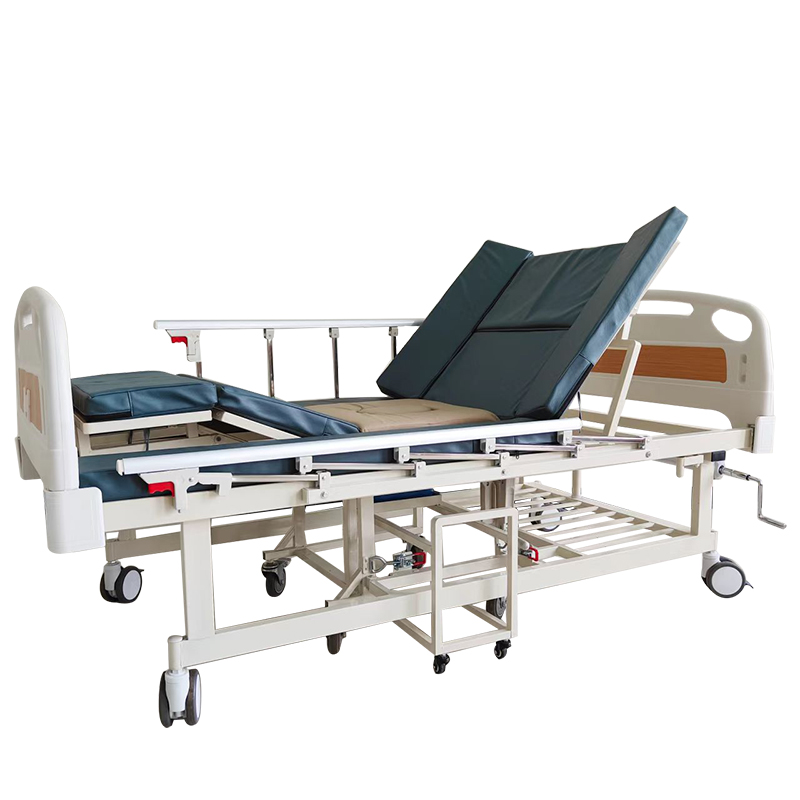
Accessories Make Daily Care More Convenient
IV Poles and Medical Support Accessories
Accessory compatibility is another important hospital bed feature. Many care environments require IV poles, over bed tables, side rail options, mattresses, bedside cabinets, or patient lifting accessories.
When a bed supports common accessories, medical staff can complete daily care more conveniently. Buyers can also build complete product packages for different customer needs.
Bedside Cabinets and Over Bed Tables
Bedside cabinets and over bed tables improve daily convenience for patients and caregivers. Patients can store personal items, meals, medicines, or care supplies within easy reach.
For distributors, selling hospital beds together with matching accessories can increase order value and make purchasing easier for hospitals, clinics, and home care buyers.
Manual and Electric Functions Serve Different Buyers
Manual Beds for Cost-Sensitive Markets
Manual hospital beds are often selected for customers who need practical functions at a lower cost. They may use crank systems to adjust the backrest, leg section, or bed height.
For many distributors, manual beds are suitable for general wards, basic clinics, and price-sensitive markets. They are simple to use and usually easier to maintain.
Electric Beds for Higher Efficiency
Electric hospital beds are suitable for buyers who need faster operation, better convenience, and reduced caregiver workload. With electric controls, nurses or patients can adjust bed positions more easily.
Hospitals, rehabilitation centers, nursing homes, and premium home care buyers often prefer electric models because they support smoother daily care and stronger user experience.
Compact Design Helps Private Clinics and Home Care
Better Use of Limited Space
Not every medical facility has large rooms. Private clinics, small hospitals, and home care environments often need beds that provide useful functions without occupying too much space.
A compact bed design can improve room layout and make caregiver movement easier. This is especially important when the room also needs wheelchairs, cabinets, monitors, or rehabilitation equipment.
Easier Delivery and Installation
For international buyers, bed design also affects shipping, storage, and installation. A structure that is easier to pack, transport, and assemble can reduce logistics pressure.
Jcare supports B2B buyers with ample stock and short delivery time, helping wholesalers and medical purchasers respond quickly to market demand.
Weight Capacity and Structure Affect Buyer Confidence
Strong Frame for Daily Use
Hospital beds must support repeated adjustment, patient movement, and long working hours. A strong frame helps maintain stability and reduces the risk of structural problems.
For hospitals and distributors, frame strength is a key factor in long-term value. A bed may look similar from the outside, but frame quality can affect performance over time.
Reliable Components Reduce Maintenance
Casters, motors, cranks, rails, and lifting systems must work reliably. If these components fail often, buyers may face repair costs and customer complaints.
Choosing a supplier with stable production capability is important. Jcare owns a 3000 square meter bearing processing plant and focuses on factory supply for wholesale buyers, helping support stable quality and supply capacity.
How Distributors Can Choose the Right Bed Features
Match Features With Customer Type
Different buyers need different bed configurations. Hospitals may focus on durability, safety, and fast operation. Private clinics may prefer practical models with good appearance and moderate cost. Home care buyers may care more about comfort, easy controls, and family caregiver convenience.
Distributors should not choose only one model for all markets. Instead, they can prepare multiple product levels, such as manual beds, semi-electric beds, full-electric beds, home care beds, and accessory packages.
Balance Price, Function, and Delivery
For wholesale buyers, price is important, but function and delivery also affect business results. A low-cost bed that creates complaints may become expensive after maintenance, returns, and lost customer trust.
A practical purchasing strategy is to compare bed structure, functions, accessories, packaging, stock availability, and after-sales support. This helps buyers select products that perform well in real daily care environments.
Why Choose Jcare for Hospital Bed Wholesale
Jcare supplies hospital beds, home care beds, rehabilitation products, medical furniture, and medical bed accessories for B2B buyers. The brand serves markets including India, the Middle East, Southeast Asia, Europe, the USA, Japan, and South Korea.
For hospitals, private clinics, medical bed purchasers, and home care bed buyers, Jcare offers factory prices, ample stock, and short delivery time. Through Alibaba, Google Ads, Made-in-China, and trade shows, Jcare connects with international distributors who need reliable medical furniture supply.
As a China-based wholesale supplier, Jcare understands that buyers need more than basic products. They need beds that are easy to operate, safe to use, simple to clean, and suitable for daily care work.
Conclusion
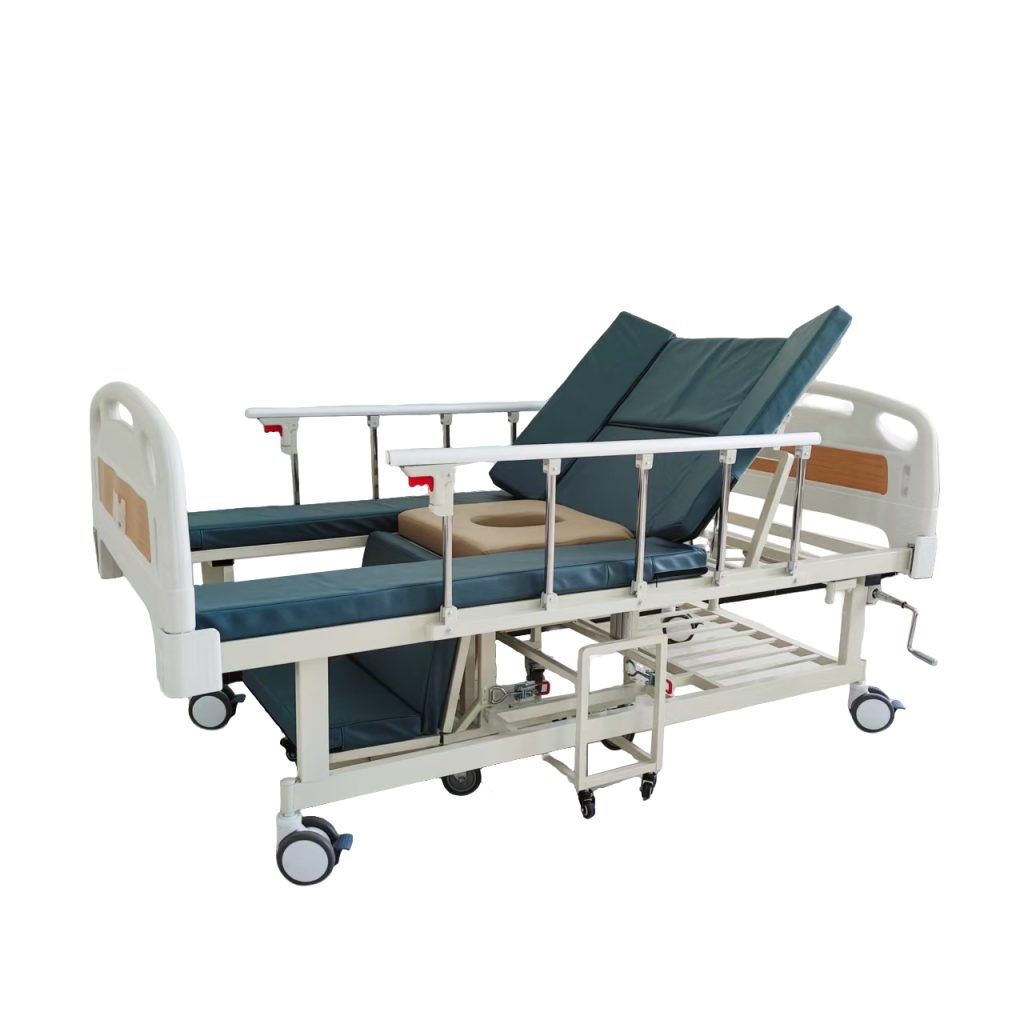
Hospital bed features that make daily care easier are the features that support real patient care every day. Adjustable height, backrest lifting, leg positioning, side rails, smooth casters, strong brakes, simple controls, easy-clean materials, stable frames, and useful accessories all help improve comfort, safety, and efficiency.
For B2B buyers, choosing the right hospital bed is also a business decision. Better features can reduce caregiver workload, improve patient satisfaction, lower maintenance problems, and strengthen customer trust.
Jcare provides wholesale hospital beds, home care beds, rehabilitation products, medical furniture, and accessories for international buyers. If you are looking for factory prices, ample stock, short delivery time, and practical bed features for daily care, Jcare can support your hospital bed purchasing needs.