
Hospital bed buyers often ask how to choose between suppliers when models, prices, and promises look similar. A wrong decision can lead to delayed projects, unstable quality, extra repair costs, and unhappy customers. The solution is to compare each supplier through a clear system covering product quality, factory strength, pricing, delivery, export service, and long-term support.
To compare hospital bed suppliers before making a decision, buyers should check product quality, factory capability, pricing transparency, customization options, delivery time, export experience, spare parts supply, and after-sales service. The right supplier is not always the cheapest one. It is the supplier that provides stable quality, practical wholesale prices, clear communication, and reliable support for repeat B2B orders.
A structured comparison makes sourcing safer. The following points help buyers choose a supplier with more confidence.
Why Supplier Comparison Matters in Hospital Bed Purchasing
Hospital beds are used in hospitals, private clinics, rehabilitation centers, nursing homes, and home care settings. They affect patient comfort, caregiver efficiency, and daily medical operations. Therefore, supplier selection should not depend only on a product photo or a low quotation.
For B2B buyers, the risk is higher because one order may serve many end users. A distributor may supply several clinics. A hospital may need consistent beds across many rooms. A home care equipment buyer may need models that are safe, comfortable, and easy to operate. If the supplier performs poorly, the buyer may face complaints, delays, and higher service costs.
A good comparison process helps buyers look beyond the surface. It shows whether the supplier can provide stable products, clear documents, safe packaging, and reliable communication. In other words, buyers are not only choosing a bed. They are choosing a long-term supply partner.
Compare Product Range and Market Fit
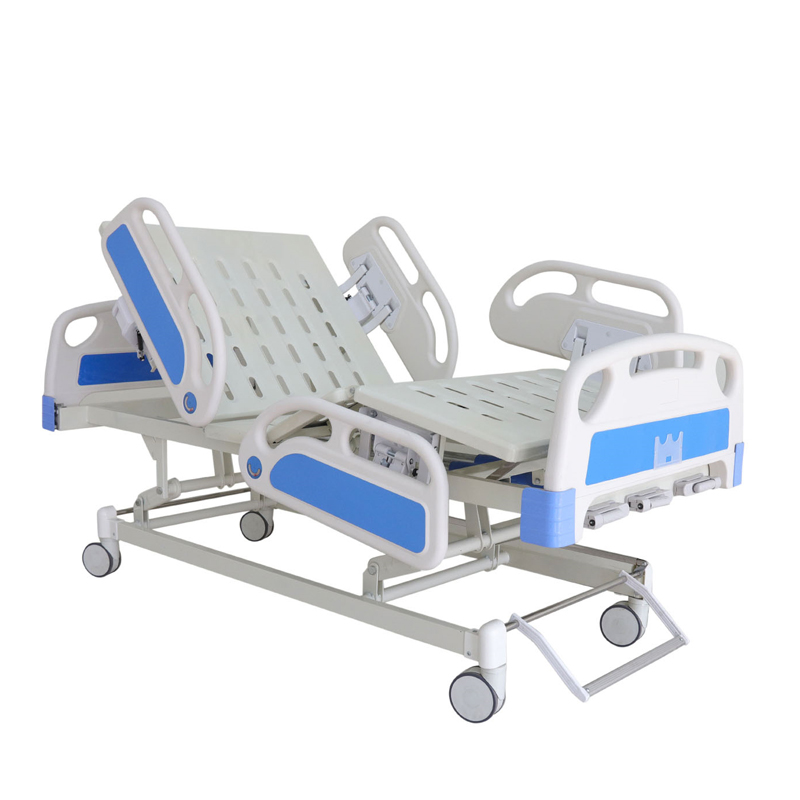
The first step is to check whether the supplier’s product range matches your market. Hospitals may need electric hospital beds with several adjustment functions. Private clinics may prefer durable manual beds or simple electric models. Home care buyers often look for beds that feel comfortable, operate easily, and fit family care environments.
Distributors also need product variety. They may sell budget models, mid-range models, and higher-function beds to different customers. Jcare supplies hospital beds, home care beds, rehabilitation products, other medical furniture, and medical bed accessories. This product coverage is useful for B2B buyers who want to combine related products in one purchasing plan.
Buyers should also compare accessory support, such as side rails, casters, IV poles, mattresses, controllers, overbed tables, bedside cabinets, and spare parts. When these items come from one supplier, product matching becomes easier.
Review Product Quality Before Comparing Price
Price matters in wholesale purchasing, but quality should come first. A low-cost hospital bed can become expensive if it causes complaints, breaks during use, or needs frequent replacement parts.
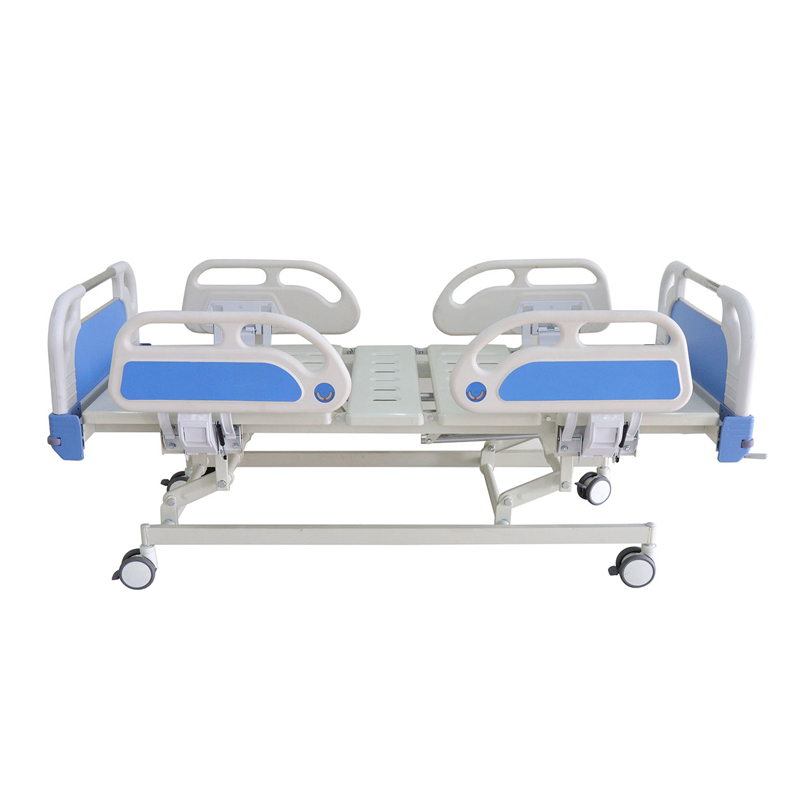
Buyers should compare frame materials, welding quality, load capacity, coating finish, caster strength, side rail design, and operation smoothness. Electric beds also need stable motors and controllers, while manual beds need smooth crank systems.
A professional supplier should provide clear specifications, including bed size, functions, materials, weight capacity, caster type, packing size, and optional accessories.
Surface finishing also matters because hospital beds are cleaned often. Before confirming a large order, buyers can request photos, videos, samples, or pre-shipment inspection.
Check Factory Capability and Supply Stability
A strong supplier should have the ability to support bulk orders and repeat purchases. One good sample does not always prove stable mass production. Buyers should compare the supplier’s factory background, production process, warehouse management, and inspection ability.
Jcare owns a 3000 square meter processing plant and focuses on B2B wholesale supply. This factory background supports factory prices, ample stock, and short delivery time. For hospitals, clinics, distributors, and medical bed buyers, these advantages can help reduce sourcing pressure.
Production stability is important because buyers need consistent parts, colors, dimensions, and packaging over time. This helps distributors maintain catalogs and support repeat customers.
Buyers should also ask whether regular models are in stock. Ample stock can shorten lead time and help buyers respond faster to urgent demand.
Analyze Price Transparency and Total Cost
The lowest unit price is not always the best value. Buyers should compare what the quotation includes and what may create extra costs later.
A clear quotation should show the model name, quantity, unit price, standard functions, included accessories, optional accessories, packing method, payment terms, delivery time, and trade terms. If these details are unclear, buyers may misunderstand the real cost.
Two hospital beds may look similar but use different frame thickness, motors, casters, side rails, or packaging. Therefore, buyers should compare total value instead of only the visible unit price.
Packaging should also be included. Strong export packaging helps reduce damage during loading, shipping, and unloading. Weak packaging may reduce the quotation but increase claims later.
Jcare’s factory prices can help wholesale buyers protect profit margins.
Evaluate Customization Ability
Many B2B buyers need products that match local customer preferences or brand positioning. Customization may include logo placement, color selection, side rail style, headboard design, mattress options, carton marks, labels, and product combinations.
Before choosing a supplier, buyers should confirm customization options, minimum order quantity, added cost, production time, and technical limits.
OEM and ODM support are useful for distributors and medical equipment brands. OEM means the supplier produces according to the buyer’s brand or requirements. ODM means the supplier can provide existing designs or help develop suitable solutions. Both options can help buyers improve market competitiveness.
Customization should remain practical. A good supplier will explain which changes are easy, which require more time, and which may affect quality.
Compare Export Experience and Communication
International hospital bed purchasing requires more than production. The supplier must understand export packing, loading, shipping coordination, product documents, and communication across time zones.
Jcare exports to India, the Middle East, Southeast Asia, Europe, the USA, Japan, and South Korea. This experience can help buyers serving different medical equipment markets.
Buyers should ask whether the supplier has experience in their region, because market needs vary. Some customers prefer simple manual beds, while others focus on electric functions or home care comfort.
Communication is also a key test. Buyers should observe whether the supplier answers quickly, confirms details carefully, and provides useful information. A reliable supplier should confirm model, size, function, voltage, accessories, packaging, quantity, delivery time, and documents clearly.
Review Quality Control and Inspection
Quality control should happen throughout production, not only at the final step. Buyers should ask how the supplier checks welding, coating, bed movement, casters, brakes, side rails, motors, controllers, and accessories.
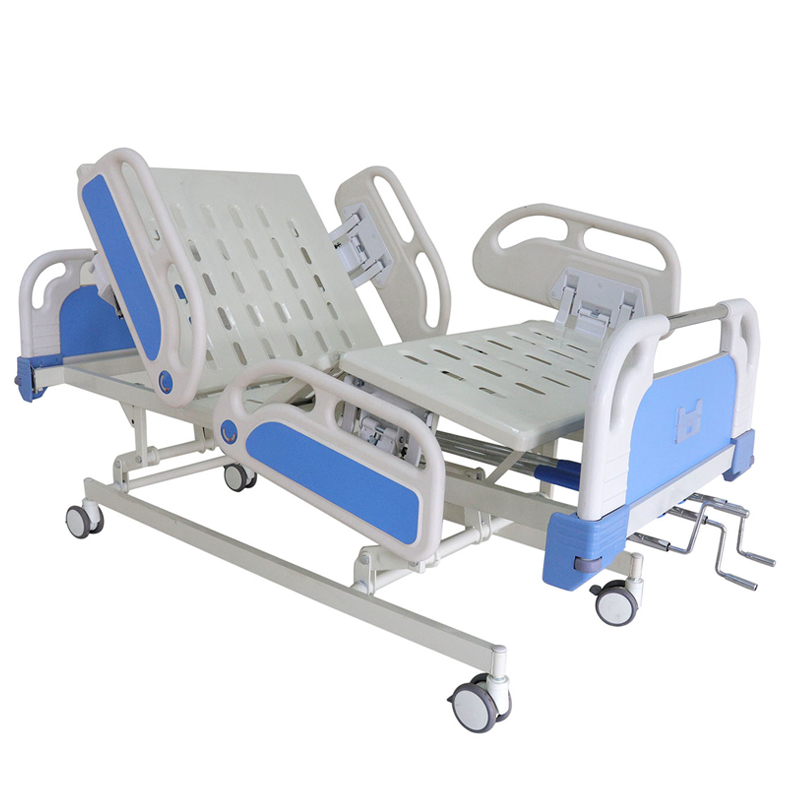
For electric hospital beds, each adjustment function should be tested before shipment. For manual beds, the crank system should move smoothly without shaking or blocking. For bulk orders, buyers can request inspection photos or videos. If the order is large or the project has strict requirements, third-party inspection may also be useful. Inspection helps both sides confirm the same quality standard before shipment.
Check After-Sales Service and Spare Parts Supply
Hospital bed sourcing does not end after shipment. Buyers may need assembly guidance, product instructions, spare parts, or technical support. Therefore, after-sales service should be part of supplier comparison.
A responsible supplier should answer reasonable product questions after delivery. For distributors, this support is important because they must serve their own customers.
Spare parts supply is especially important. Casters, controllers, motors, side rails, and other parts may need replacement after long use. If spare parts are difficult to obtain, the buyer may struggle to support customers.
Long-term model stability also matters. If the supplier changes parts too often, future orders may not match earlier stock. Buyers should choose suppliers who support long-term cooperation, not only one-time sales.
How Do I Know If a Hospital Bed Supplier Is Reliable?
A reliable hospital bed supplier provides clear product details, stable quality, responsive communication, reasonable inspection support, and transparent pricing. The supplier should also have production capability, export experience, and spare parts support.
Should I Choose the Cheapest Hospital Bed Supplier?
The cheapest supplier is not always the best choice. A very low price may mean weaker materials, limited accessories, poor packaging, unstable quality, or slow service.
Buyers should compare total value. This includes durability, factory capability, delivery time, communication, warranty support, and future spare parts.
What Questions Should Buyers Ask Before Ordering?
Buyers should ask about product specifications, bed functions, loading capacity, materials, accessories, packing method, MOQ, lead time, payment terms, export experience, customization options, inspection process, and after-sales service.
They should also ask whether regular models are in stock and whether spare parts can be supplied later.
Why Jcare Is a Practical Choice for Wholesale Buyers
Jcare is a China-based B2B wholesale supplier of hospital beds, home care beds, rehabilitation products, other medical furniture, and medical bed accessories. The company serves hospitals, private clinics, medical bed buyers, home care bed buyers, distributors, and related medical equipment purchasers.
Jcare owns a 3000 square meter processing plant and offers factory prices, ample stock, and short delivery time. These strengths help buyers control costs, respond faster to customer demand, and support repeat purchasing.
Conclusion
Comparing hospital bed suppliers before making a decision helps buyers avoid poor quality, unclear pricing, late delivery, weak packaging, and difficult after-sales problems. The best approach is to review product range, product quality, factory capability, pricing transparency, customization support, export experience, quality control, spare parts supply, and long-term service.
For hospitals, private clinics, distributors, and home care bed buyers, supplier selection should focus on total value rather than price alone. A reliable supplier should help buyers protect customer trust, reduce purchasing risk, and support stable business growth.
If you are comparing hospital bed suppliers for your next wholesale order, you can use this guide as a practical checklist. You are also welcome to share your sourcing questions, discuss your project needs, or contact Jcare for product details and cooperation options.