International buyers often ask how hospital beds should be shipped, which customs documents are needed, and how to avoid delays after bulk purchasing. These questions matter because hospital beds are large medical furniture products with strict delivery expectations. The solution is to plan packaging, trade terms, documents, and clearance before shipment begins.
International buyers handle hospital bed shipping and customs clearance by confirming product details, choosing suitable trade terms, preparing accurate documents, checking destination import rules, using strong export packaging, and working with freight forwarders or customs brokers. Clear supplier communication helps reduce delays, control landed costs, and ensure hospital beds arrive safely for hospitals, clinics, distributors, and home care projects.
The process becomes easier when each step is prepared early.
People Also Ask: Why Is Hospital Bed Shipping Different from Ordinary Furniture Shipping?
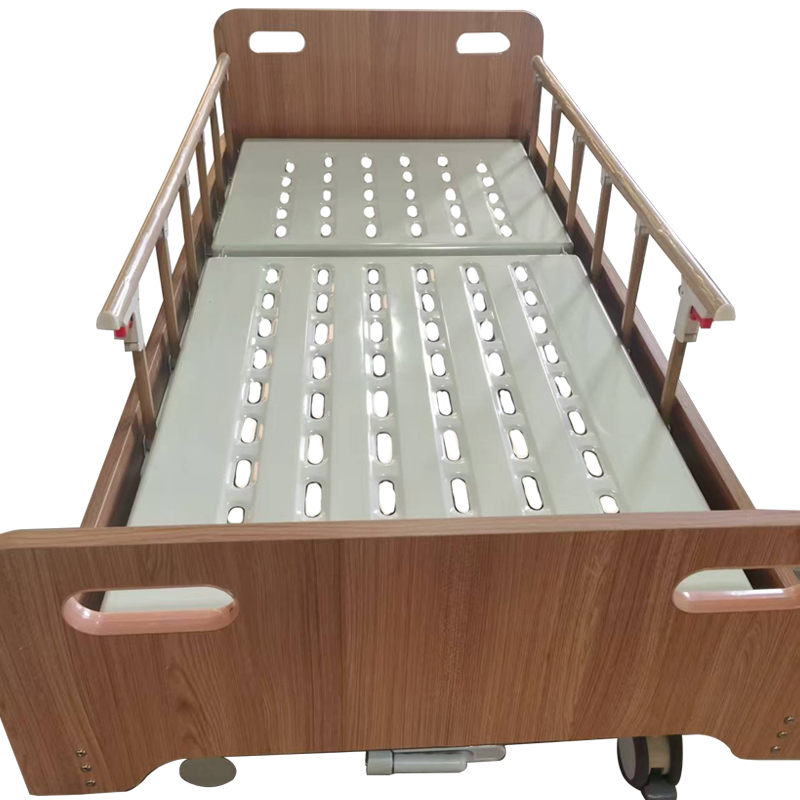
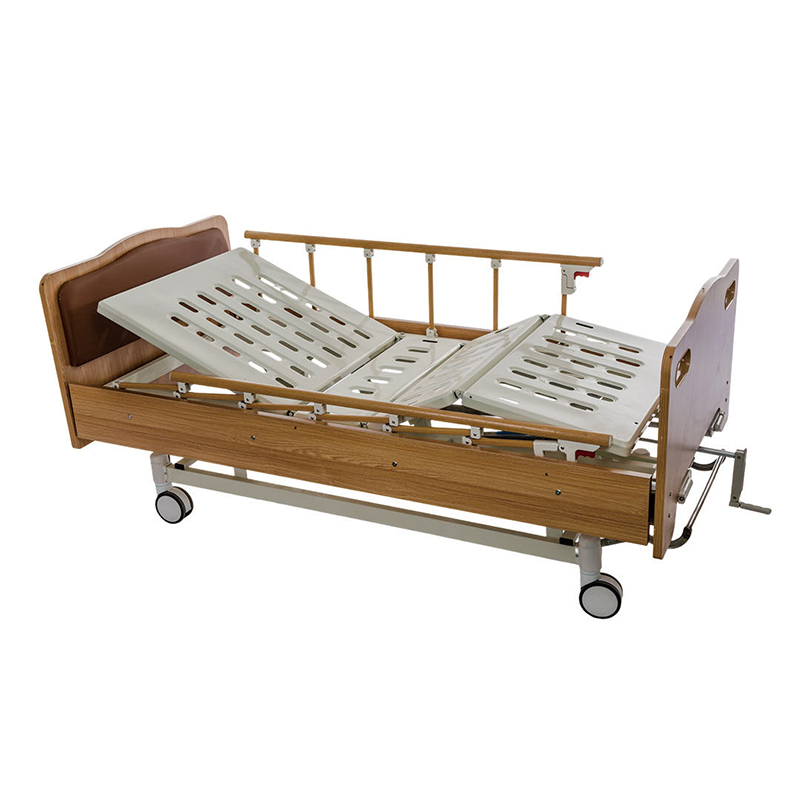
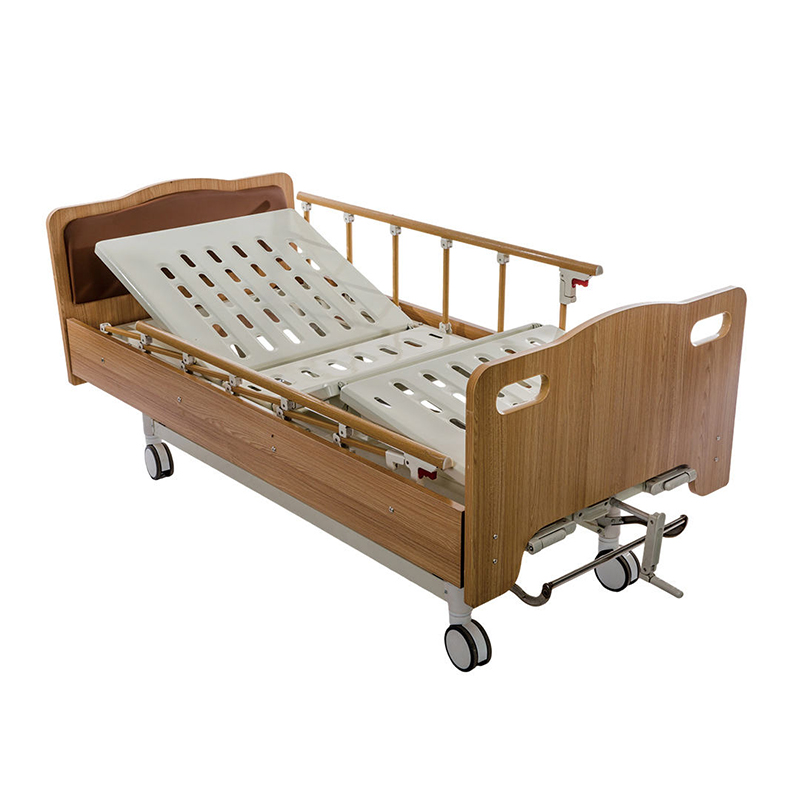
Hospital bed shipping is different because hospital beds are medical furniture products, not simple household furniture. They are used in hospitals, private clinics, nursing homes, rehabilitation centers, and home care environments. Many models include steel frames, side rails, casters, headboards, footboards, mattresses, lifting systems, motors, hand controllers, and medical bed accessories.
These parts make hospital beds large, heavy, and sensitive to rough handling. Weak packaging may lead to scratched frames, damaged side rails, broken casters, loose screws, or affected electrical parts. For hospital projects, even small damage can delay installation and increase replacement costs.
Shipping also affects the final budget. Hospital beds take up container space quickly, so packing size and loading quantity influence freight cost per unit. Buyers should compare factory price, packaging efficiency, document support, delivery time, and customs risk.
What Should Buyers Confirm Before Arranging Shipment?
Before arranging shipment, buyers should confirm product model, quantity, packing size, gross weight, trade terms, destination port, final delivery address, and required customs documents. These details help suppliers, freight forwarders, and customs brokers prepare correctly.
Product type is important. A manual hospital bed, electric hospital bed, ICU bed, home care bed, rehabilitation bed, and examination bed may have different weight, structure, functions, and accessories. Electric beds also require attention to motors, cables, control systems, voltage, and plug type.
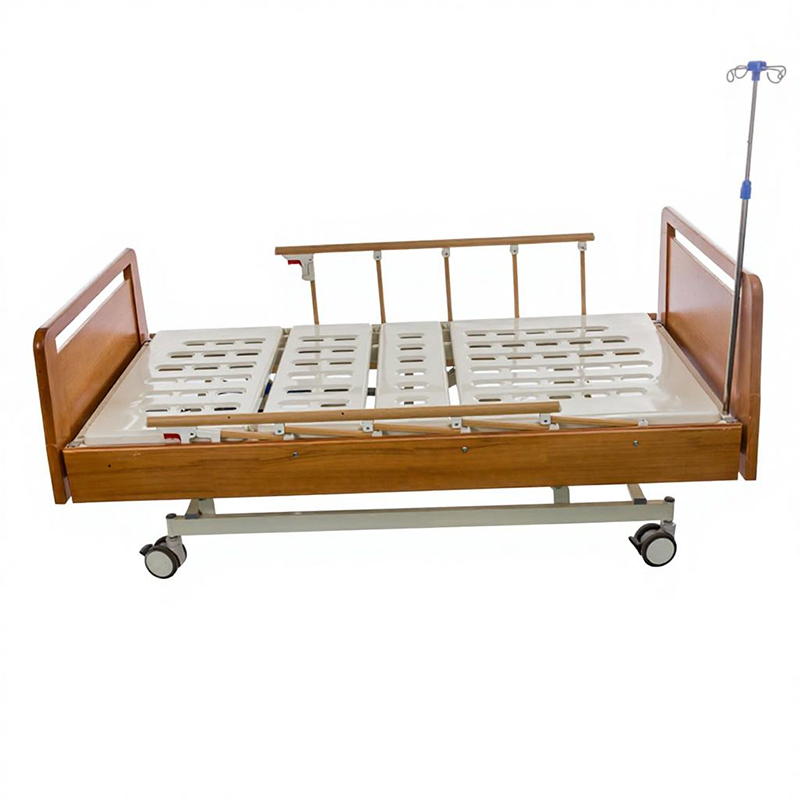
Buyers should ask for net weight, gross weight, package dimensions, carton quantity, and container loading quantity. They should also list mattresses, side rails, IV poles, over bed tables, bedside cabinets, spare parts, and other accessories clearly on the invoice and packing list.
Which Trade Terms Are Common for Hospital Bed Export Orders?
Common trade terms include EXW, FOB, CFR, CIF, and DDP. Each term defines who handles transport, cost, risk, and customs procedures. Choosing the right term helps buyers control cost and avoid misunderstanding.
EXW means the buyer collects goods from the supplier’s factory or warehouse. It gives more control, but the buyer must arrange pickup, export procedures, international freight, and import clearance. FOB is common for B2B hospital bed orders because the supplier handles delivery to the departure port and export customs, while the buyer controls ocean freight and import clearance.
CFR means the supplier pays sea freight to the destination port. CIF includes sea freight and insurance. DDP may include clearance, duty, tax, and final delivery, but it is not suitable for every market. Buyers should check what is included before accepting DDP pricing.
What Documents Are Needed for Hospital Bed Customs Clearance?
Hospital bed customs clearance usually requires a commercial invoice, packing list, bill of lading or airway bill, sales contract, certificate of origin, and product-related documents. Some countries may also request import licenses, test reports, registration files, or compliance documents.
The commercial invoice should show seller information, buyer information, product name, model, quantity, unit price, total value, currency, trade terms, and shipment details. Product names should be clear, such as “electric hospital bed,” “manual hospital bed,” “home care bed,” or “medical bed accessories.”
The packing list explains how goods are packed. It includes package quantity, dimensions, gross weight, net weight, and shipping marks. The bill of lading supports cargo release for sea freight, while an airway bill is used for air freight. A certificate of origin shows the manufacturing country. For Jcare products, the origin is China.
How Can Buyers Reduce Customs Clearance Delays?
Buyers can reduce customs clearance delays by preparing complete documents, using consistent product descriptions, confirming HS codes with local brokers, checking local import rules early, and reviewing all files before the vessel arrives.
Inconsistent wording is a common problem. If the invoice says “hospital bed,” the packing list says “medical furniture,” and the bill of lading says “metal bed,” customs may request clarification. The wording should clearly show that all documents describe the same goods.
HS code confirmation is also important. A supplier may provide a suggested code based on export experience, but the buyer’s customs broker should confirm the final import classification. Declared value should also match the real transaction. Early document review helps buyers avoid storage fees, demurrage, or delayed delivery.
How Are Hospital Beds Packed for International Shipping?
Hospital beds are usually packed with foam, plastic film, cartons, pallets, wooden cases, or reinforced export packaging. Good packaging protects the frame, coating, side rails, casters, headboard, footboard, mattress, motor, controller, and accessories.
The frame should be protected against scratches and impact. Corners need stronger protection because they are easy to damage during loading and unloading. Moving parts should be fixed securely so they do not shake inside the package.
Electric parts also need careful protection. Motors, control boxes, hand controllers, and cables should be wrapped or separated to prevent pressure damage. For full container shipments, packaging should balance protection and space efficiency. Buyers can request packing photos, loading photos, and container seal numbers for records.
Should Hospital Beds Be Shipped by Sea, Air, or Land?
Most hospital beds are shipped by sea because sea freight is more cost-effective for large and heavy cargo. It is suitable for full container orders, distributor inventory, hospital projects, and home care bed wholesale shipments.
Air freight is faster but more expensive. It is usually better for samples, urgent spare parts, replacement motors, hand controllers, or small medical bed accessories. Shipping complete hospital beds by air is possible, but the cost is often high because airlines calculate by actual weight or volume weight.
Land or rail transport may work for some nearby regions or special routes. Buyers should compare cost, transit time, customs complexity, and route stability before choosing this option.
How Do Buyers Estimate Total Landed Cost?
Total landed cost includes product price, packaging, inland transport, export fees, ocean freight, insurance, destination charges, import duty, tax, customs broker fees, warehouse handling, and final delivery. Buyers need this figure to understand the real cost of importing hospital beds.
Hospital beds often reach container space limits before weight limits. This means volume is very important. Buyers should check packing size and loading quantity before comparing supplier quotations. A supplier with better packaging efficiency may reduce freight cost per unit.
Freight rates may change because of route demand, season, port congestion, fuel cost, and shipping line capacity. Buyers should confirm freight cost close to the shipping date. For hospitals, clinics, and distributors, the lowest unit price is not always the lowest real cost.
What Role Does a Freight Forwarder or Customs Broker Play?
A freight forwarder arranges transport, booking, pickup, shipping instructions, export coordination, cargo tracking, and sometimes destination delivery. A customs broker handles import declaration, duty calculation, document submission, customs communication, and cargo release.
For hospital bed buyers, both partners are important. Hospital beds are bulky products, so logistics partners must understand container loading, warehouse handling, and delivery planning. If the buyer uses FOB terms, the buyer’s forwarder usually manages the shipment after the goods reach the departure port.
A customs broker helps confirm HS codes, import duties, taxes, and required files. The broker also communicates with customs if questions or inspections occur. Buyers should choose logistics partners with experience in medical furniture, hospital equipment, or large metal products.
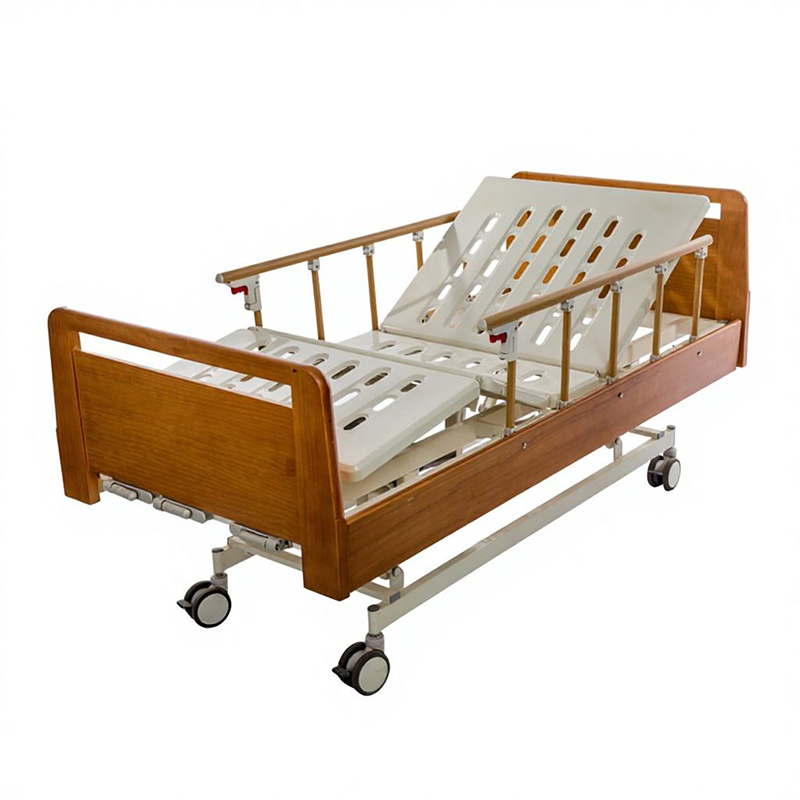
How Can Jcare Support International Hospital Bed Buyers?
Jcare supports international buyers with hospital beds, home care beds, rehabilitation products, other medical furniture, and medical bed accessories for B2B wholesale orders. As a China-based supplier with a 3000 square meter bearing processing plant, Jcare focuses on factory prices, ample stock, and short delivery time.
Buyers can share their destination country, order quantity, required models, accessories, voltage needs, and target delivery schedule. This helps Jcare prepare product recommendations, packing details, and export order information more efficiently.
For shipping preparation, buyers may request packing size, gross weight, loading quantity, product photos, packing photos, and basic export documents. Jcare exports to India, the Middle East, Southeast Asia, Europe, the United States, Japan, and South Korea, but buyers should still confirm local import requirements with their customs broker.
Conclusion
International buyers handle hospital bed shipping and customs clearance successfully when they plan early and manage each step carefully. They should confirm product specifications, packaging details, trade terms, freight method, customs documents, import requirements, broker support, and total landed cost before the goods arrive.
Hospital beds are large medical furniture products, so safe packaging, accurate documents, clear labeling, and reliable logistics partners are essential. Buyers should avoid unclear descriptions, missing documents, weak packaging, and last-minute customs preparation.
Jcare supports B2B wholesale buyers with hospital beds, home care beds, rehabilitation products, medical furniture, and medical bed accessories from China. With factory prices, ample stock, short delivery time, and export experience in key global markets, Jcare helps buyers prepare more organized international orders.
If you are planning a hospital bed import project, share your destination country, order quantity, or customs questions in the comments. You can also share this article with hospital managers, clinic owners, procurement teams, and distributors who need a clearer shipping and customs clearance process.