
Hospital bed tender and bidding processes are often complex, highly competitive, and strictly regulated, yet many suppliers still struggle with unclear technical requirements, strict documentation rules, and aggressive price competition that can easily eliminate unprepared bidders. As healthcare systems expand and procurement standards become more demanding across global markets, even minor compliance gaps or incomplete submissions can lead to lost opportunities in large-scale hospital projects. The solution lies in understanding evaluation systems, aligning product specifications with international standards, and building a reliable manufacturing and service capability that matches hospital expectations.
Hospital bed tender success depends on strict technical compliance, internationally recognized certifications, competitive yet structured pricing, strong manufacturing capacity, reliable delivery performance, and proven after-sales service. Procurement committees evaluate suppliers holistically, prioritizing safety, consistency, and long-term operational support over price alone.
Understanding how each evaluation factor works is essential for improving bid success rates and avoiding disqualification in early stages.
People Also Ask: How do hospital bed tenders work?
Hospital bed tenders typically follow a structured procurement process designed to ensure fairness, transparency, and accountability. Hospitals or government procurement agencies release tender documents outlining technical specifications, quantity requirements, delivery timelines, and evaluation criteria. Suppliers submit detailed bids including product datasheets, certifications, pricing structures, and service commitments.
After submission, bids go through a multi-stage evaluation process. The first stage is usually technical compliance screening, where non-compliant suppliers are eliminated. The second stage involves scoring based on technical performance, pricing competitiveness, delivery capability, and after-sales service. In many cases, a weighted scoring system is used, meaning each factor contributes a specific percentage to the final decision.
Only suppliers that meet minimum technical requirements proceed to the financial evaluation stage. Even then, the lowest price does not guarantee success. Hospitals often prioritize reliability, long-term service capability, and proven experience over aggressive pricing strategies. This makes tender participation a strategic process rather than a simple quotation exercise.
Understanding the Hospital Bed Tender and Bidding Ecosystem
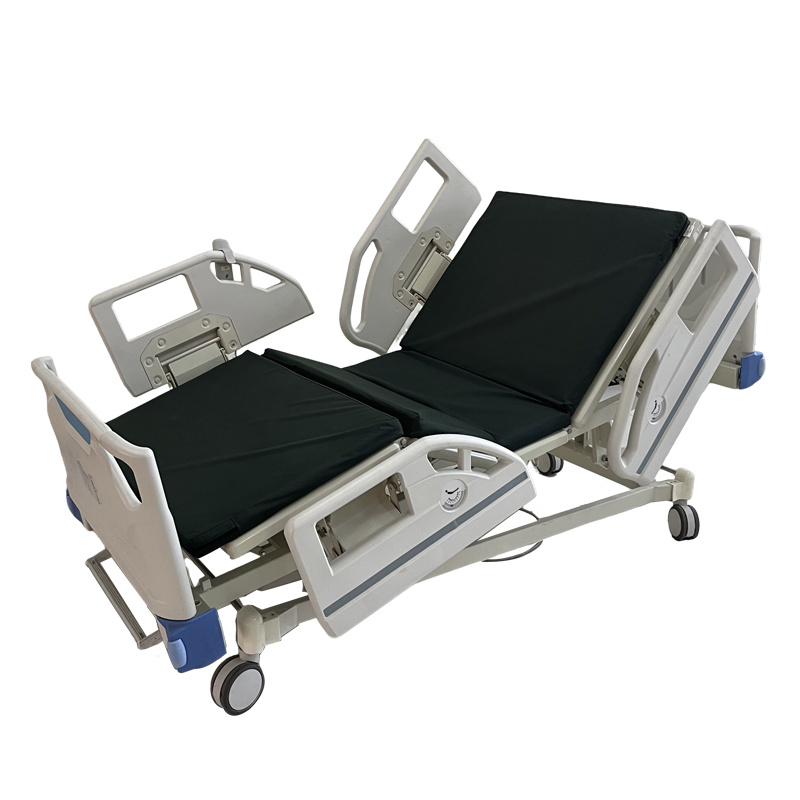
Hospital bed procurement is not a simple purchasing decision but a structured institutional process governed by strict procurement laws and healthcare regulations. In most countries, especially across Europe, the Middle East, and Asia, public hospitals rely on open or semi-open tenders to ensure fairness and cost efficiency.
Private hospitals may use more flexible procurement systems, but they still follow similar evaluation logic. The bidding ecosystem is built around minimizing risk, ensuring product safety, and securing long-term supplier reliability.
For manufacturers like Jcare, understanding this ecosystem is essential for positioning products correctly and responding to global tenders efficiently.
Key Evaluation Criteria in Hospital Bed Tenders
Hospital procurement committees evaluate suppliers using a multi-dimensional scoring system. While exact weightings vary by country and institution, most tenders assess similar core categories.
The most important evaluation dimensions include:
- Technical compliance with specifications
- Product certifications and regulatory approvals
- Pricing structure and cost competitiveness
- Manufacturing capacity and delivery reliability
- Supplier experience and project references
- After-sales service and maintenance support
- Logistics and project execution capability
Each of these elements plays a decisive role in whether a bid progresses or gets eliminated early.
Technical Specifications Compliance
Technical compliance is the foundation of every hospital bed tender. If a product fails to meet mandatory specifications, it is immediately disqualified regardless of price or supplier reputation.
Hospitals typically define detailed requirements covering:
- Bed frame material and structural strength
- Maximum load capacity and safety margin
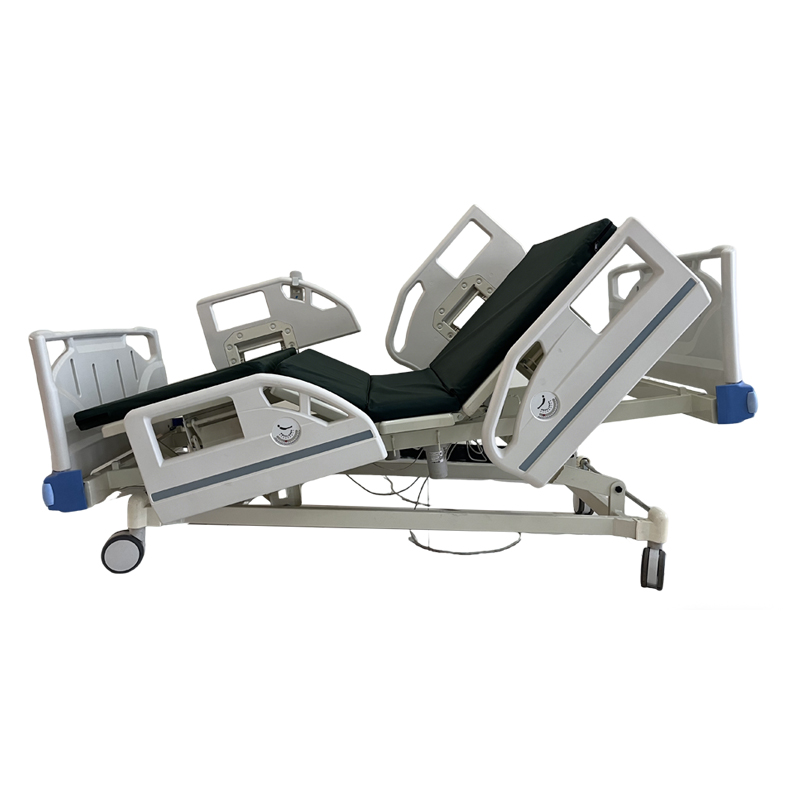
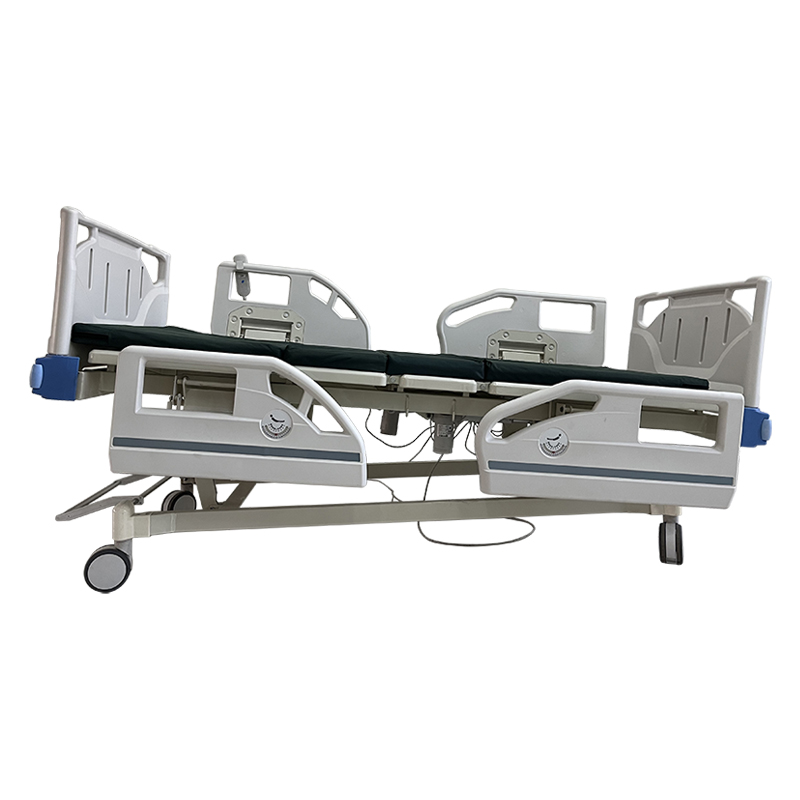
- Adjustable functions (backrest, leg rest, height adjustment)
- Electric motor system performance and safety standards
- Side rail design, locking system, and patient protection features
- Wheel system with braking and mobility control
- Compatibility with medical mattresses and accessories
Even minor deviations in dimensions, material grade, or function design can lead to rejection. For this reason, manufacturers must design hospital beds with tender compliance in mind rather than general market preferences.
In global procurement environments, standardization is key. Suppliers that offer modular designs and customizable configurations have a stronger advantage because they can quickly adapt to different tender specifications.
Certifications and Regulatory Compliance
Certification is one of the most critical gatekeeping factors in hospital bed bidding. Without proper documentation, even the most competitively priced product cannot proceed beyond the technical screening phase.
Commonly required certifications include:
- ISO 13485 for medical device quality management
- ISO 9001 quality management systems
- CE certification for European markets
- FDA-related compliance documentation for US procurement
- Local medical device registration in target countries
These certifications demonstrate that the manufacturer follows internationally accepted quality and safety standards.
Hospitals rely heavily on certification because it reduces procurement risk. Medical equipment directly affects patient safety, so compliance is not optional—it is mandatory. Suppliers who invest early in certification processes gain a significant long-term advantage in global bidding markets.
Pricing Strategy and Cost Competitiveness
Although technical compliance is essential, pricing remains a major deciding factor in most hospital tenders. However, pricing is not evaluated in isolation; it is assessed as part of a value-for-money model.
Tender committees typically analyze:
- Unit price per hospital bed model
- Bulk order discounts for large-scale procurement
- Maintenance and spare part cost structures
- Installation and training expenses
- Shipping and logistics costs
A common misconception among suppliers is that the lowest price always wins. In reality, extremely low pricing can raise concerns about product quality or long-term reliability.
A more effective approach is structured pricing—balancing competitiveness with sustainable service capability. Manufacturers like Jcare benefit from factory-direct pricing models, which allow them to remain competitive without compromising quality or margin stability.
Manufacturing Capacity and Delivery Reliability
Production capability plays a major role in tender evaluation, especially for large hospital projects involving hundreds or thousands of beds.
Hospitals evaluate:
- Monthly production output
- Inventory readiness for fast delivery
- Lead time from order to shipment
- Scalability for urgent or large-volume orders
- Supply chain stability for components and spare parts
Delays in delivery can cause severe operational disruptions for hospitals, which is why procurement teams prioritize suppliers with proven manufacturing stability.
In international markets such as India, Southeast Asia, and the Middle East, delivery timelines are often as important as pricing. Suppliers who can guarantee short lead times gain a strong competitive advantage.
Supplier Experience and Project References
Experience is a strong trust indicator in hospital procurement. Tender committees often prefer suppliers with proven track records in similar projects.
Key evaluation points include:
- Previous hospital installations
- Government or public health project participation
- Export experience in target regions
- Long-term partnerships with healthcare institutions
Suppliers with documented success stories demonstrate reduced procurement risk. This is particularly important for large-scale public tenders where accountability is strictly enforced.
Experience also reflects operational maturity. It signals that the supplier understands installation challenges, logistics complexity, and post-installation support requirements.
After-Sales Service and Long-Term Support
Hospital beds are long-term medical assets, often used continuously for years. As a result, after-sales service becomes a critical evaluation factor.
Hospitals typically assess:
- Warranty duration for motors and mechanical components
- Availability of spare parts over long cycles
- Response time for technical support
- Training provided to hospital maintenance staff
- On-site service capability when required
A strong after-sales system reduces operational downtime and ensures patient care continuity. Even if a supplier offers strong technical products, weak service infrastructure can significantly reduce tender scoring.
Logistics and Project Execution Capability
Large hospital procurement projects require more than manufacturing capability—they require full execution systems.
Procurement teams evaluate:
- International shipping experience
- Packaging quality for medical equipment protection
- Coordination with hospital infrastructure teams
- Installation support and technical guidance
- Project timeline management capability
Efficient logistics reduce risk during delivery and installation phases. Suppliers who offer end-to-end project support often perform better in bidding evaluations compared to those offering only product supply.
Common Mistakes in Hospital Bed Tender Bidding
Many suppliers fail not because of product quality, but because of avoidable strategic mistakes such as:
- Submitting incomplete technical documentation
- Ignoring minor specification details in tender documents
- Underestimating certification requirements
- Offering unrealistic pricing without service backing
- Lack of clear after-sales support structure
- Weak alignment between product and tender expectations
Avoiding these mistakes significantly increases the probability of passing the technical stage and entering final evaluation rounds.
Winning Strategy for Hospital Bed Tenders
Winning hospital tenders requires a structured and long-term strategy rather than a single bid approach.
Key success strategies include:
- Designing products specifically for tender compliance
- Building certification portfolios in advance
- Strengthening global distribution and export capability
- Developing stable production and inventory systems
- Enhancing brand trust through exhibitions and B2B platforms
Manufacturers like Jcare focus on factory-direct supply, consistent quality control, and short delivery cycles. These strengths align closely with procurement expectations in international healthcare projects.
Conclusion
Hospital bed tender and bidding processes are highly structured systems that prioritize compliance, reliability, and long-term operational support over simple pricing competition. Success depends on a balanced combination of technical conformity, certification readiness, manufacturing strength, service capability, and proven experience.
Suppliers who understand these evaluation mechanisms and align their business strategy accordingly are far more likely to win large-scale hospital contracts across global markets.
For manufacturers and exporters, the key is not only to produce high-quality hospital beds, but also to build a complete procurement-ready ecosystem that meets the expectations of modern healthcare institutions.
If you are working in hospital procurement or medical equipment sourcing, share your experience or challenges—your insights may help others improve their bidding success strategies.