
Many healthcare providers wonder whether electric hospital beds truly improve patient satisfaction and justify their investment costs. Choosing inadequate patient beds can lead to discomfort, reduced mobility, increased caregiver workload, and lower satisfaction scores. As patient-centered care becomes a priority worldwide, understanding how electric hospital beds enhance comfort, safety, and recovery can help healthcare facilities make smarter purchasing decisions and improve overall patient experiences.
Electric hospital beds significantly improve patient satisfaction by enhancing comfort, safety, independence, and recovery outcomes. Adjustable positioning, height control, pressure relief features, and caregiver-friendly designs help patients feel more comfortable and secure while enabling healthcare staff to provide more efficient care. For hospitals, clinics, rehabilitation centers, and long-term care facilities, investing in quality electric hospital beds can lead to higher satisfaction ratings, improved clinical outcomes, and better operational efficiency.
Want to understand why electric hospital beds have become a key component of modern healthcare? Let’s explore the factors that directly impact patient satisfaction.
Why Patient Satisfaction Has Become a Critical Healthcare Metric
Patient satisfaction is no longer viewed as a secondary measurement in healthcare. Today, it is one of the most important indicators of healthcare quality.
Hospitals and healthcare providers are increasingly evaluated based on how patients perceive their care experience. Government agencies, insurance providers, accreditation organizations, and healthcare administrators often use patient satisfaction scores to assess service quality.
Several factors influence patient satisfaction, including:
- Quality of medical treatment
- Communication with healthcare staff
- Hospital cleanliness
- Waiting times
- Safety measures
- Comfort during hospitalization
Among these factors, patient comfort often receives less attention than clinical treatment. However, for patients spending days, weeks, or even months in bed, comfort can significantly influence their overall healthcare experience.
This is where electric hospital beds play an essential role.
Modern electric hospital beds are designed not only to support medical treatment but also to improve the patient’s physical and emotional well-being throughout the recovery process.
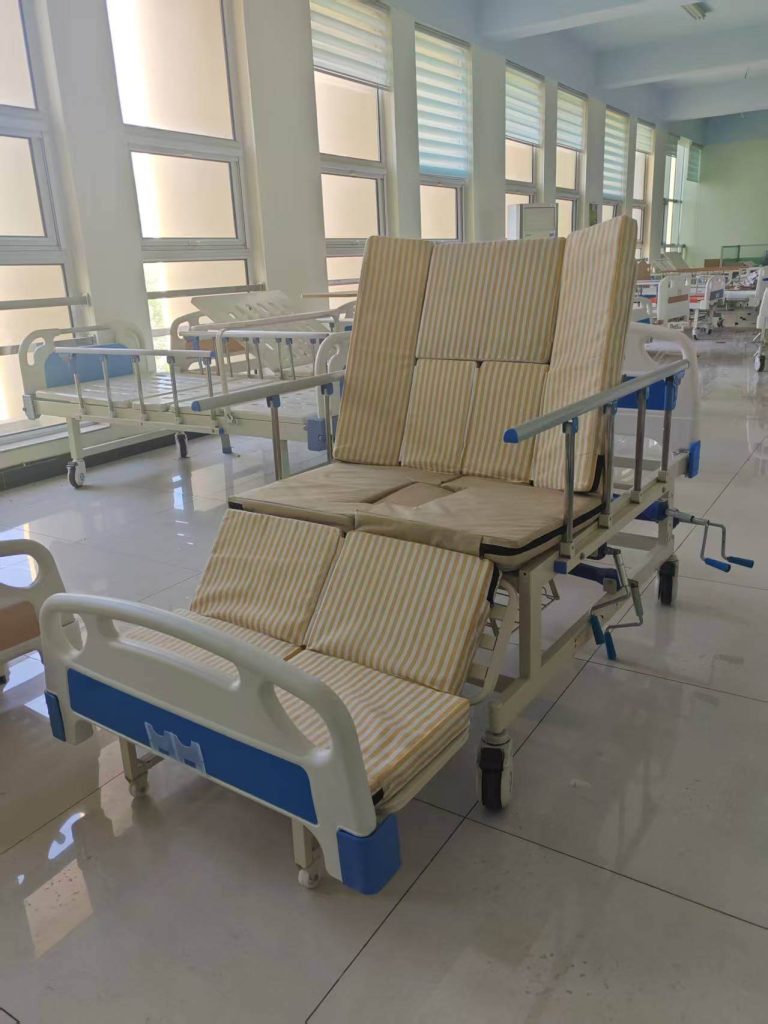
How Electric Hospital Beds Improve Patient Comfort
Adjustable Positioning for Personalized Comfort
One of the most significant advantages of electric hospital beds is their ability to provide customized positioning.
Unlike standard flat beds, electric hospital beds allow patients and caregivers to adjust multiple sections of the bed according to individual needs.
Common adjustment functions include:
- Backrest elevation
- Knee elevation
- Leg elevation
- Height adjustment
- Trendelenburg positioning
- Reverse Trendelenburg positioning
Patients recovering from surgery, injury, respiratory illnesses, or chronic conditions often require different body positions throughout the day.
Electric adjustments allow them to quickly find comfortable positions that reduce discomfort and improve relaxation.
Reduction of Musculoskeletal Pain
Patients confined to bed for extended periods frequently experience pain in the back, neck, hips, and joints.
Electric hospital beds help distribute body weight more evenly and reduce pressure on sensitive areas.
Proper positioning can help:
- Minimize lower back pain
- Reduce muscle stiffness
- Relieve joint pressure
- Improve posture
- Enhance overall comfort
As discomfort decreases, patient satisfaction naturally increases.
Improved Sleep Quality
Sleep is one of the most important components of healing.
Unfortunately, many hospitalized patients struggle with poor sleep due to:
- Pain
- Stress
- Anxiety
- Noise
- Uncomfortable positioning
Electric hospital beds allow patients to adjust their positions during the night without waiting for caregiver assistance.
Better positioning often results in:
- Improved sleep quality
- Reduced nighttime discomfort
- Lower stress levels
- Enhanced recovery
Patients who sleep better typically report more positive healthcare experiences.
Supporting Patient Independence and Emotional Well-Being
Restoring a Sense of Control
Hospitalization can make patients feel dependent and powerless.
Many patients experience frustration when they must rely on caregivers for basic movements.
Electric hospital beds restore a degree of independence by allowing patients to control their own positioning.
With simple hand controls, patients can:
- Sit up for meals
- Elevate their legs
- Change sleeping positions
- Adjust their viewing angle
- Improve breathing comfort
This autonomy contributes significantly to emotional well-being.
Preserving Patient Dignity
Maintaining dignity is a critical aspect of patient-centered care.
When patients can perform simple adjustments independently, they often feel less embarrassed and less dependent on staff assistance.
This is particularly important for:
- Elderly patients
- Long-term care residents
- Rehabilitation patients
- Individuals with mobility limitations
Patients who maintain a sense of dignity tend to report higher satisfaction with their care.
Reducing Anxiety and Stress
Healthcare environments can be stressful.
Patients may worry about:
- Recovery outcomes
- Medical procedures
- Physical limitations
- Dependence on others
Electric hospital beds provide comfort and control that help reduce anxiety.
Even small improvements in comfort can positively influence a patient’s perception of care quality.
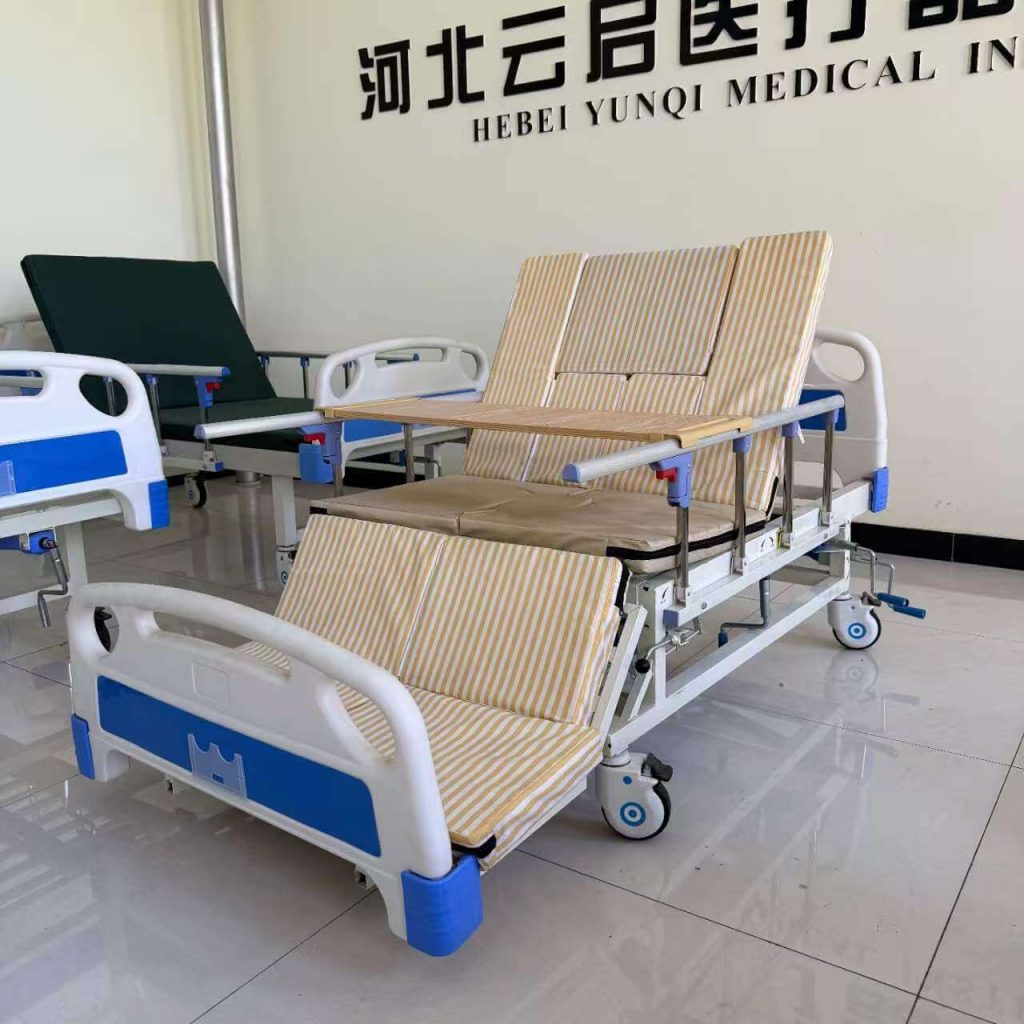
The Relationship Between Electric Hospital Beds and Patient Safety
Fall Prevention Through Height Adjustment
Patient falls remain one of the most common safety incidents in healthcare facilities.
Electric hospital beds help reduce fall risks through adjustable height functions.
Beds can be lowered to facilitate safe entry and exit.
This feature benefits:
- Elderly patients
- Post-surgical patients
- Rehabilitation patients
- Individuals with balance issues
Reduced fall risks contribute directly to patient confidence and satisfaction.
Integrated Side Rail Systems
Modern electric hospital beds often include advanced side rail systems.
These rails provide:
- Fall protection
- Mobility support
- Assistance during repositioning
- Enhanced patient confidence
Patients often feel safer when side rails are available and properly used.
Emergency Response Functions
Many advanced electric hospital beds include emergency positioning capabilities.
Examples include:
- CPR release systems
- Cardiac chair positions
- Rapid Trendelenburg functions
These features enable healthcare professionals to respond quickly during emergencies.
Patients and families often appreciate knowing that advanced safety measures are available.
How Electric Hospital Beds Support Faster Recovery
Encouraging Early Mobilization
Medical research consistently shows that early mobilization can improve recovery outcomes.
Patients who remain immobile for prolonged periods face higher risks of:
- Muscle weakness
- Blood clots
- Respiratory complications
- Pressure ulcers
Electric hospital beds facilitate gradual movement and positioning adjustments.
Patients can safely transition from lying down to sitting positions, promoting activity and independence.
Supporting Respiratory Function
Patients with respiratory conditions often require elevated upper-body positioning.
Electric beds allow caregivers and patients to optimize positioning for improved breathing.
Benefits include:
- Better oxygen intake
- Reduced breathing difficulties
- Enhanced comfort
- Improved sleep
This feature is particularly valuable for patients with chronic respiratory diseases and post-operative recovery needs.
Improving Blood Circulation
Position adjustments help improve circulation throughout the body.
Enhanced circulation supports:
- Faster healing
- Reduced swelling
- Lower risk of pressure injuries
- Better overall comfort
Patients experiencing fewer complications are more likely to report positive healthcare experiences.
The Impact of Electric Hospital Beds on Nursing Efficiency
Simplifying Patient Repositioning
Nurses and caregivers spend considerable time helping patients change positions.
Manual repositioning can be physically demanding and time-consuming.
Electric hospital beds simplify these tasks through automated adjustments.
Benefits include:
- Faster repositioning
- Improved caregiver efficiency
- Reduced physical strain
- Better workflow management
Reducing Caregiver Injuries
Healthcare workers frequently experience musculoskeletal injuries caused by lifting and transferring patients.
Electric hospital beds reduce manual handling requirements.
This helps lower the risk of:
- Back injuries
- Shoulder strain
- Muscle fatigue
- Workplace accidents
Healthier caregivers can provide better patient care.
Improving Staff Responsiveness
When caregivers spend less time performing physically demanding tasks, they can dedicate more attention to patient interaction.
This often leads to:
- Faster response times
- Better communication
- Improved patient relationships
- Higher satisfaction ratings
Patient satisfaction is influenced not only by equipment but also by the quality of caregiver interactions.
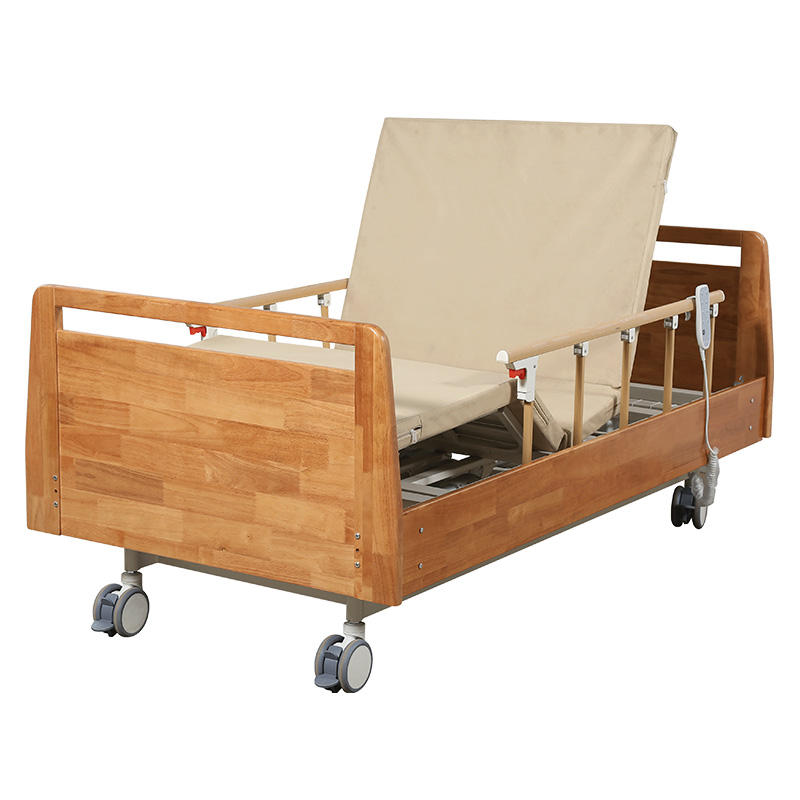
Features Patients Appreciate Most in Electric Hospital Beds
User-Friendly Controls
Patients prefer controls that are:
- Easy to understand
- Clearly labeled
- Accessible
- Comfortable to operate
Simple controls increase confidence and encourage independent use.
Quiet Motor Operation
Modern electric beds feature low-noise motor systems.
Quiet operation improves:
- Sleep quality
- Comfort
- Relaxation
- Room environment
Patients appreciate equipment that does not disturb their rest.
Smooth Movement and Positioning
Sudden or jerky bed movements can cause discomfort.
High-quality electric beds provide smooth transitions between positions.
This contributes to a more pleasant patient experience.
Multiple Adjustment Functions
Patients value flexibility.
Commonly appreciated functions include:
- Backrest adjustment
- Leg elevation
- Height adjustment
- Trendelenburg positioning
- Cardiac chair positioning
The more adaptable the bed, the better it can meet diverse patient needs.
Why Long-Term Care Facilities Benefit from Electric Hospital Beds
Enhancing Resident Quality of Life
Residents in nursing homes and long-term care facilities often spend substantial time in bed.
Electric beds improve daily living by offering:
- Greater comfort
- Better positioning options
- Increased independence
- Reduced physical discomfort
These benefits contribute directly to resident satisfaction.
Reducing Pressure Ulcer Risks
Pressure injuries remain a major concern in long-term care environments.
Electric beds support preventive care by facilitating regular repositioning.
Combined with suitable mattresses, they help reduce skin breakdown risks.
Supporting Aging Populations
Global populations are aging rapidly.
As demand for elderly care increases, facilities require equipment that promotes both safety and comfort.
Electric hospital beds are becoming essential tools for supporting aging residents while maintaining quality care standards.
Economic Benefits of Higher Patient Satisfaction
Improved Reputation and Patient Retention
Satisfied patients are more likely to:
- Recommend healthcare providers
- Return for future care
- Leave positive reviews
- Strengthen facility reputation
Strong reputations can increase patient volumes and business growth.
Reduced Complication Costs
Complications such as falls and pressure ulcers can be costly.
Electric hospital beds help reduce these risks, lowering associated treatment expenses.
Enhanced Operational Efficiency
Facilities using electric hospital beds often experience:
- Improved workflow
- Better resource utilization
- Reduced staff injuries
- Increased productivity
These operational improvements can generate significant long-term savings.
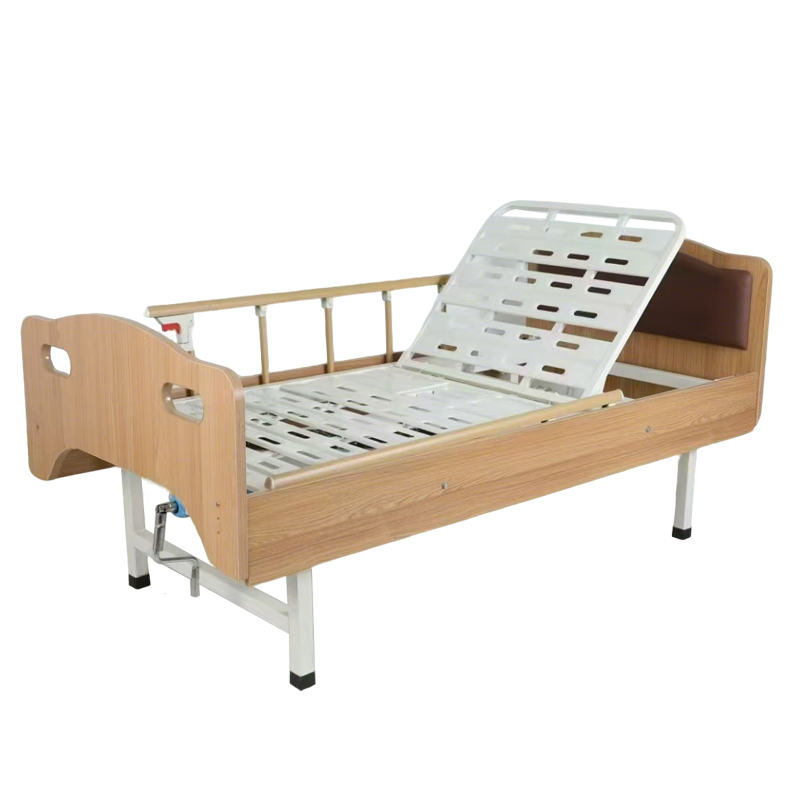
What Healthcare Buyers Should Consider When Purchasing Electric Hospital Beds
Bed Functionality
Healthcare providers should evaluate the number of functions required.
Options may include:
- Two-function beds
- Three-function beds
- Five-function beds
- Fully electric beds
The right choice depends on patient needs and clinical applications.
Durability and Construction Quality
A hospital bed must withstand continuous daily use.
Key factors include:
- Steel frame strength
- Weight capacity
- Motor reliability
- Corrosion resistance
Durable beds provide better long-term value.
Safety Features
Important safety features include:
- Locking casters
- Side rails
- Emergency release systems
- Bed exit alarms
- Battery backup systems
Safety features directly impact patient satisfaction and clinical outcomes.
Supplier Reliability
Choosing a reliable manufacturer is equally important.
Healthcare buyers should evaluate:
- Production capacity
- Export experience
- Quality control systems
- After-sales support
- Spare parts availability
A dependable supplier ensures long-term operational success.
Why Global Healthcare Buyers Choose Jcare
As a professional Chinese manufacturer, Jcare specializes in hospital beds, home care beds, rehabilitation products, medical furniture, and medical bed accessories.
Jcare serves healthcare buyers across:
- India
- Middle East
- Southeast Asia
- Europe
- United States
- Japan
- South Korea
Key advantages include:
- Factory-direct pricing
- Stable production capacity
- Short lead times
- Large inventory availability
- Strict quality control
- OEM and customization services
For hospitals, distributors, medical equipment importers, and healthcare procurement professionals, partnering with an experienced manufacturer can help improve both patient outcomes and procurement efficiency.
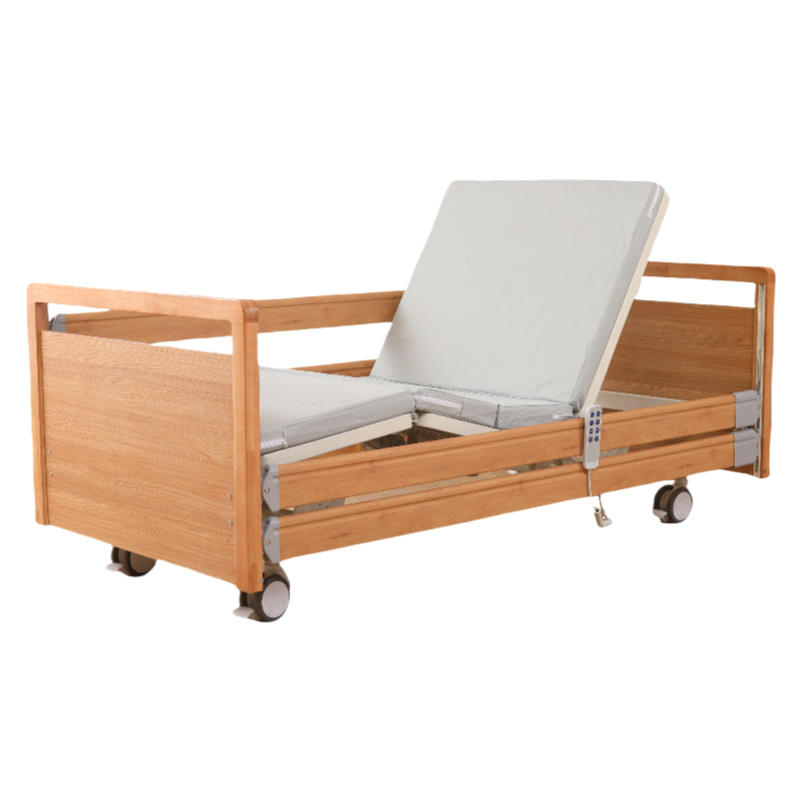
Conclusion
Electric hospital beds have become an essential component of modern healthcare because they directly influence patient comfort, safety, independence, and recovery outcomes. By enabling personalized positioning, reducing fall risks, supporting mobility, and improving caregiver efficiency, these beds significantly contribute to higher patient satisfaction levels. For hospitals, clinics, rehabilitation centers, and long-term care facilities, investing in high-quality electric hospital beds is not simply an equipment upgrade—it is a strategic decision that enhances care quality, operational efficiency, and long-term patient outcomes. Healthcare providers seeking to improve patient experiences should carefully evaluate bed functionality, safety features, durability, and supplier reliability to ensure maximum value from their investment.