
Many healthcare providers, caregivers, and facility managers wonder how adjustable beds can improve patient safety while supporting recovery and comfort. Choosing the wrong bed or using it improperly can increase the risk of falls, pressure injuries, and caregiver strain. Fortunately, modern adjustable beds equipped with appropriate safety features, proper positioning functions, and regular maintenance can significantly reduce risks and create a safer care environment for patients and healthcare staff.
Adjustable beds help ensure patient safety by reducing fall risks, supporting proper patient positioning, improving mobility assistance, and minimizing caregiver injuries. Features such as height adjustment, side rails, locking casters, emergency controls, and pressure-relief positioning all contribute to safer patient care. When combined with regular maintenance and proper staff training, adjustable beds can significantly enhance safety in hospitals, nursing homes, rehabilitation centers, and home care settings.
Understanding how these beds improve safety can help healthcare organizations make better purchasing and caregiving decisions.
How Do Adjustable Beds Reduce Patient Falls?
Falls remain one of the most common safety incidents in healthcare facilities. Adjustable beds play a significant role in reducing these risks.
One of the most valuable safety features is height adjustment. Beds can be lowered when patients are resting, reducing the distance to the floor if an accidental fall occurs. For patients who frequently enter and exit the bed independently, lower bed positions make transfers safer and easier.
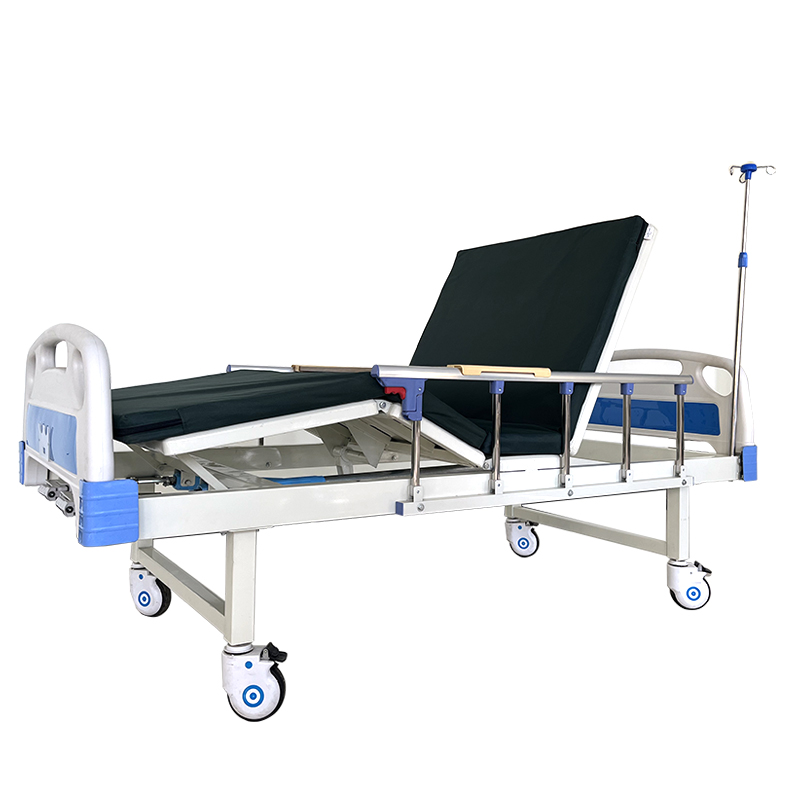
Many adjustable beds also include side rails that provide additional protection. These rails help prevent accidental rolling or slipping from the bed while sleeping or changing positions. However, side rails should always be used according to patient needs and safety guidelines.
Some advanced hospital beds incorporate bed exit alarms and monitoring systems. These technologies alert caregivers when patients attempt to leave the bed without assistance, allowing staff to intervene before accidents occur.
The combination of low-height positioning, side rail protection, and monitoring technology can significantly decrease fall-related injuries.
In addition, adjustable beds can be positioned at an optimal transfer height when patients need assistance moving to a wheelchair, stretcher, or walking aid. This minimizes instability during transfers and reduces the likelihood of slips or missteps. As a result, both patients and caregivers benefit from safer movement throughout the care process.
Healthcare facilities often combine adjustable bed technology with fall prevention programs. Together, these measures create multiple layers of protection that significantly lower the risk of accidents.

What Adjustable Bed Features Improve Safety?
Not all adjustable beds provide the same level of protection. Buyers should carefully evaluate safety features when selecting equipment.
Height Adjustment
Height adjustment allows caregivers to position the bed at optimal levels for patient transfers, examinations, and treatments while reducing fall risks.
Locking Casters
High-quality locking casters prevent unintended bed movement. Stable positioning is especially important during patient transfers and medical procedures.
Side Rails
Modern side rails provide support and fall prevention while allowing easy caregiver access when necessary.
Emergency CPR Function
Many electric hospital beds include CPR release systems that quickly return the bed to a flat position during emergencies.
Battery Backup
Battery backup systems ensure critical bed functions remain operational during power outages.
User-Friendly Controls
Easy-to-operate control panels help patients and caregivers make safe adjustments without confusion or delay.
These features work together to create a safer and more reliable patient care environment.
Beyond these basic functions, premium adjustable beds may also include trendelenburg and reverse trendelenburg positioning, weighing systems, nurse control panels, and central locking mechanisms. These additional capabilities can improve patient monitoring and simplify daily care activities.
Moreover, intuitive controls reduce the possibility of operating errors. When caregivers can quickly adjust bed positions without complicated procedures, they can respond more effectively to changing patient conditions. This is particularly valuable in emergency departments, intensive care units, and rehabilitation facilities where rapid adjustments may be required.
How Does Proper Positioning Improve Patient Safety?
Patient positioning directly affects comfort, recovery, and safety.
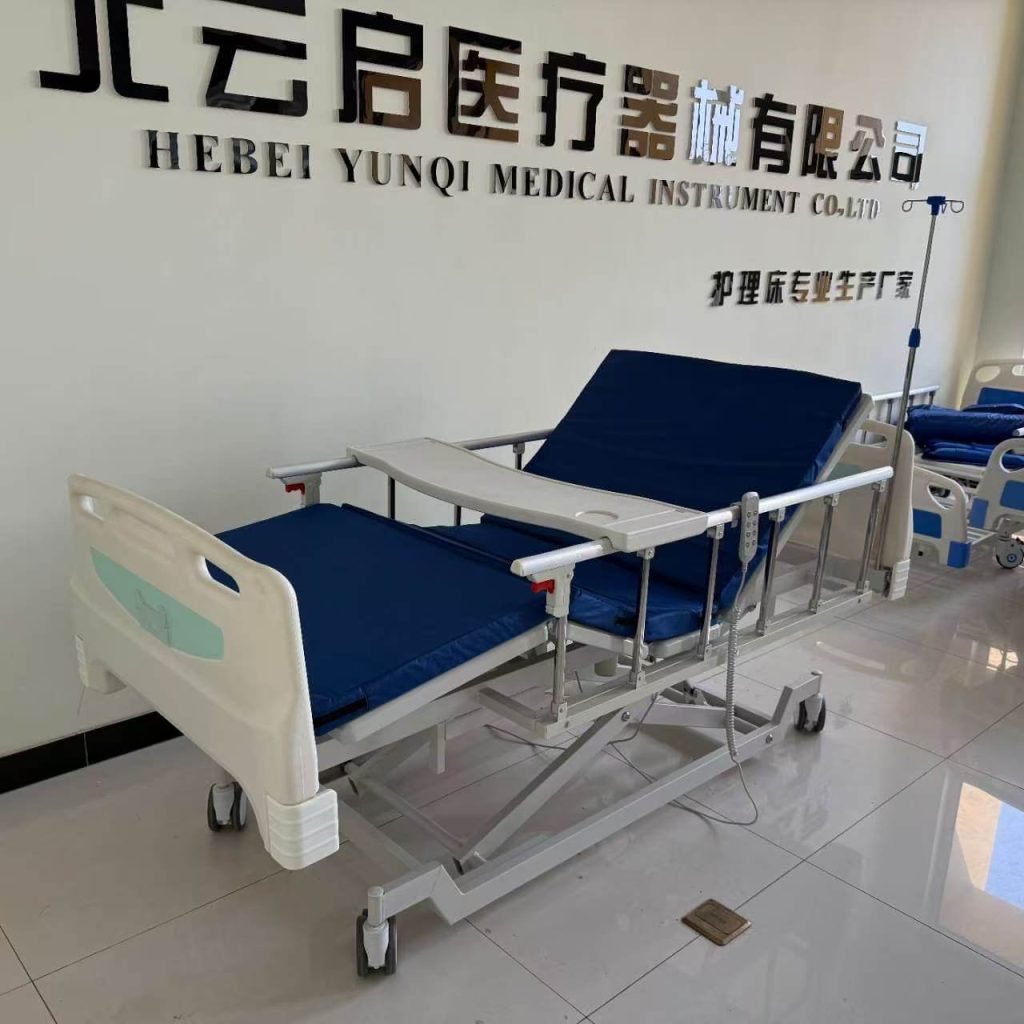
Adjustable beds allow caregivers to elevate the head, raise the legs, or adjust multiple sections of the bed to meet individual patient requirements.
Elevating the upper body can improve breathing for patients with respiratory conditions. This position may also help reduce the risk of aspiration during feeding and recovery.
Leg elevation supports circulation and helps reduce swelling in the lower extremities. Improved circulation contributes to overall patient comfort and health.
Regular repositioning is another important benefit. Long-term bed rest can create pressure points that lead to pressure ulcers. Adjustable beds make repositioning easier, encouraging more frequent movement and reducing skin breakdown risks.
By supporting proper positioning throughout the day, adjustable beds contribute significantly to patient safety and recovery.
At the same time, proper positioning can improve digestive function and reduce discomfort associated with prolonged immobility. Patients recovering from surgery often require specific positioning to protect surgical sites and promote healing. Adjustable beds make it easier to maintain these medically recommended positions consistently.
Furthermore, appropriate positioning can improve sleep quality. Better rest often contributes to faster recovery, improved mood, and greater overall patient satisfaction. Consequently, positioning functions deliver benefits that extend beyond comfort alone.
How Do Adjustable Beds Help Prevent Pressure Injuries?
Pressure injuries, often called bedsores, remain a major concern for patients with limited mobility.
When patients stay in the same position for extended periods, pressure builds on certain areas of the body. Reduced blood flow can damage skin and underlying tissue.
Adjustable beds help redistribute pressure by allowing caregivers to frequently change patient positions. Raising different sections of the bed shifts weight distribution and reduces continuous pressure on vulnerable areas.
Many healthcare providers combine adjustable beds with specialized pressure-relief mattresses for enhanced protection.
Regular repositioning schedules become easier to implement when beds provide smooth and reliable adjustment functions. As a result, patients experience greater comfort and lower risks of pressure-related complications.
The prevention of pressure injuries is especially important because treatment can be lengthy and costly. Severe pressure ulcers may require extensive wound care and can significantly affect a patient’s quality of life. Therefore, prevention is far more effective than treatment.
By facilitating repositioning and supporting pressure management strategies, adjustable beds become an essential component of modern wound prevention programs.
How Do Adjustable Beds Improve Caregiver Safety?
Patient safety and caregiver safety are closely connected.
Healthcare workers frequently perform physically demanding tasks such as lifting, transferring, and repositioning patients. These activities can contribute to back injuries, muscle strain, and long-term musculoskeletal disorders.
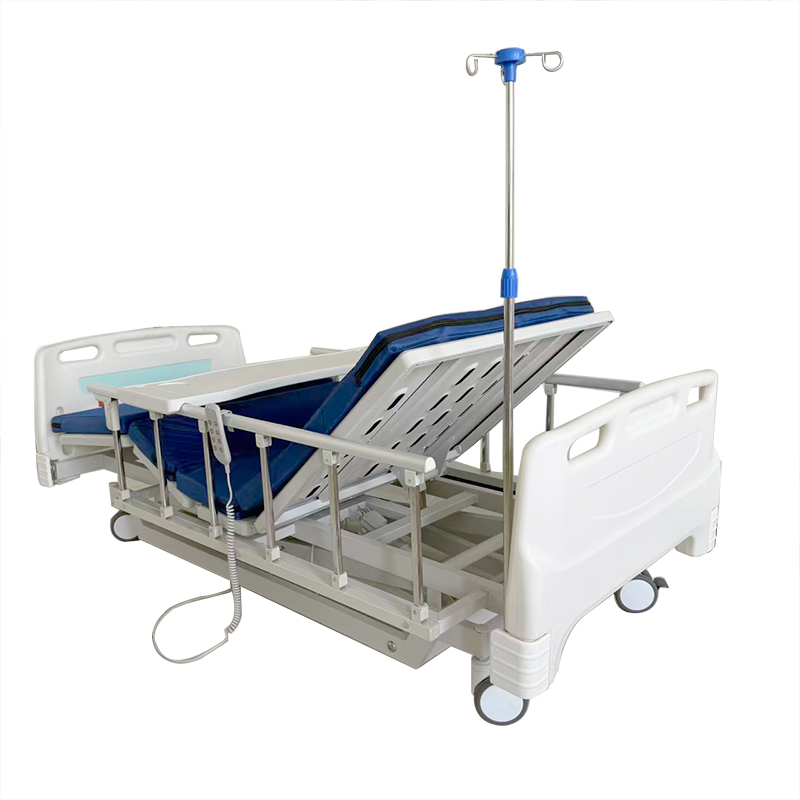
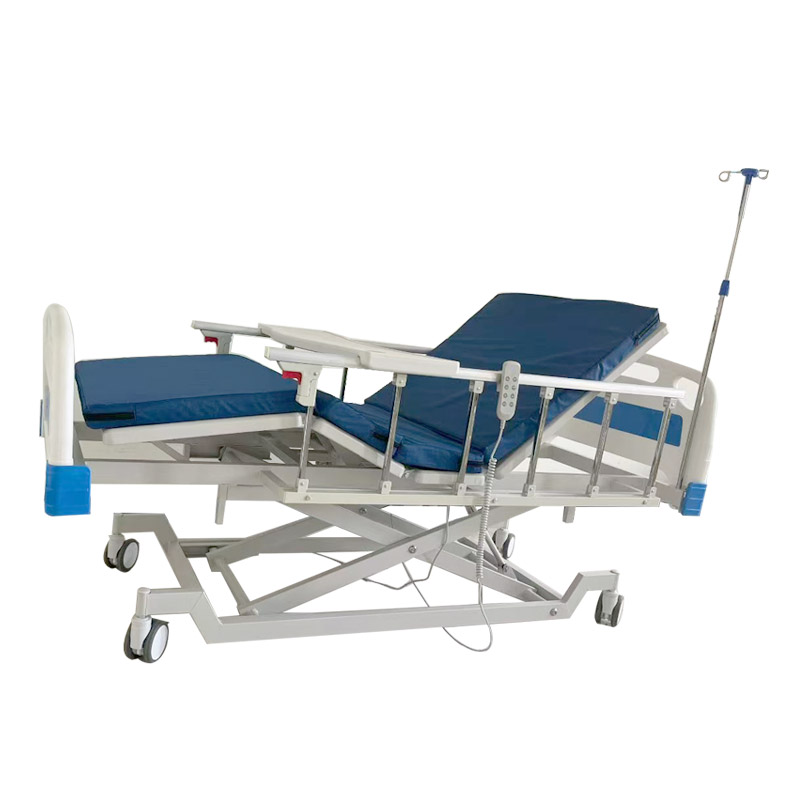
Adjustable beds reduce manual handling requirements by bringing patients to appropriate working heights. Caregivers can perform treatments, examinations, and transfers with less bending and lifting.
Electric adjustment functions further reduce physical workload. Rather than manually repositioning patients, caregivers can use bed controls to achieve the desired position safely and efficiently.
Reducing caregiver injuries benefits healthcare organizations by lowering absenteeism, reducing workers’ compensation claims, and improving overall staff productivity.
In addition, improved ergonomics can enhance job satisfaction among healthcare professionals. When staff have access to equipment that supports safe working practices, they are better able to focus on patient care rather than physical strain. Over time, this contributes to a healthier and more productive workforce.
Why Is Regular Bed Maintenance Important for Safety?
Even the most advanced adjustable bed can become a safety risk if maintenance is neglected.
Mechanical components experience wear over time. Motors, actuators, control panels, and moving parts should be inspected regularly to ensure proper performance.
Casters and braking systems require frequent testing. A malfunctioning brake can create dangerous situations during patient transfers.
Electrical systems should also be examined routinely. Damaged power cords or faulty controls may compromise bed functionality or create electrical hazards.
Healthcare facilities should establish preventive maintenance schedules and document all inspections and repairs.
Proactive maintenance extends equipment lifespan while ensuring consistent patient safety.
Routine maintenance also helps identify minor issues before they develop into major failures. For example, a small mechanical problem that goes unnoticed may eventually result in equipment downtime or unexpected malfunctions. Early intervention helps maintain reliable operation and reduces costly repairs.
For healthcare facilities managing large numbers of beds, systematic maintenance programs are critical for ensuring consistent performance across all departments.
What Should Buyers Consider When Purchasing Adjustable Beds?
Selecting the right adjustable bed involves more than comparing prices.
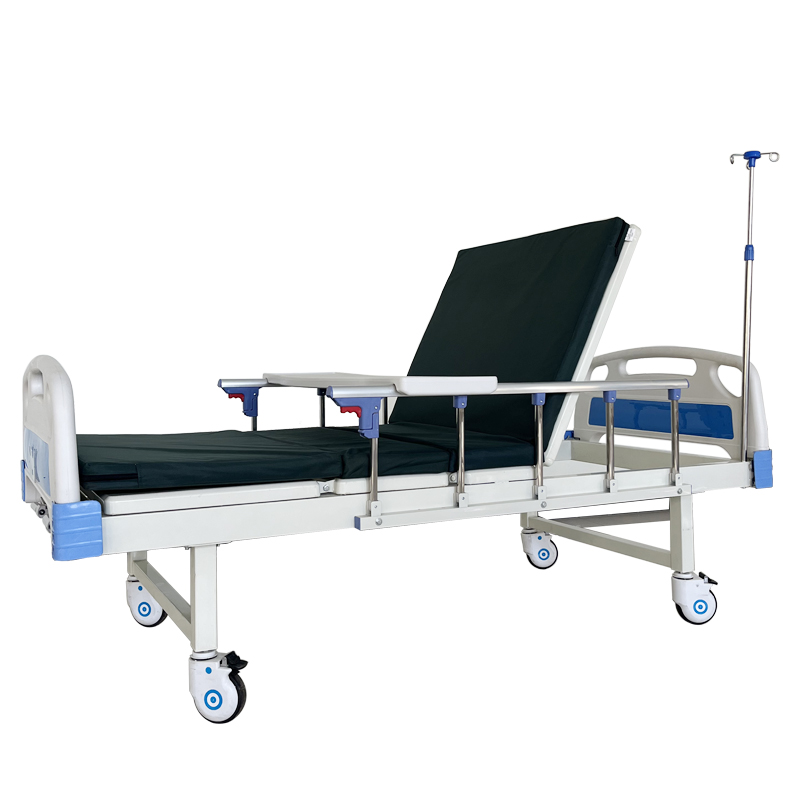
Healthcare buyers should first evaluate patient needs. Different care environments require different features. Intensive care units may require advanced monitoring and positioning functions, while home care environments may prioritize ease of use and affordability.
Product quality is equally important. Durable frames, reliable motors, and certified components contribute to long-term safety and performance.
Compliance with international safety standards should be verified before purchase. Certifications demonstrate that products meet established healthcare requirements.
Supplier reliability also plays a major role. Buyers should choose manufacturers capable of providing consistent product quality, spare parts availability, technical support, and timely delivery.
Working with experienced manufacturers helps healthcare organizations maintain safe and efficient patient care operations.
Buyers should also evaluate long-term ownership costs. Although lower-priced beds may appear attractive initially, higher-quality products often deliver better durability, reduced maintenance costs, and longer service life. Therefore, considering total cost of ownership rather than purchase price alone can lead to better investment decisions.
Additionally, manufacturers with strong export experience can provide valuable support regarding regulatory compliance, documentation, and after-sales service.
Conclusion
Adjustable beds play a vital role in improving patient safety across hospitals, nursing homes, rehabilitation centers, and home care environments. Features such as height adjustment, side rails, locking casters, emergency controls, and positioning functions help reduce falls, prevent pressure injuries, improve comfort, and support caregiver safety. Regular maintenance, proper staff training, and careful patient assessment further strengthen safety outcomes.
As healthcare demands continue to evolve, investing in reliable adjustable beds becomes increasingly important for both patient well-being and operational efficiency. Have questions about selecting the right adjustable bed for your facility? Feel free to leave a comment, share your experiences, or contact our team to learn more about professional patient care solutions.