
Many hospitals, clinics, and home care providers wonder whether smart beds are truly worth the investment compared to traditional beds. Choosing the wrong type of bed can affect patient comfort, caregiver efficiency, and long-term operational costs. Understanding the differences between smart beds and traditional beds helps buyers make informed decisions that improve patient care while maximizing value.
Smart beds are generally better for hospitals, long-term care facilities, and patients requiring continuous monitoring because they offer advanced features such as automatic positioning, patient monitoring, fall prevention, and caregiver assistance. Traditional beds remain a cost-effective option for facilities with limited budgets or basic patient care needs. The best choice depends on patient requirements, healthcare goals, and available resources.
Let’s explore the key differences between smart beds and traditional beds to determine which option best suits various healthcare environments.
What Is a Smart Bed?
A smart bed is an advanced medical bed equipped with integrated technologies that enhance patient care, safety, and operational efficiency. Unlike traditional beds, smart beds can collect and transmit patient data while providing automated functions.
Advanced Monitoring Capabilities
Many smart beds include sensors that track patient movement, weight, heart rate, respiratory rate, and bed occupancy. These features help healthcare professionals monitor patients more effectively.
Automated Position Adjustments
Smart beds can automatically adjust bed height, backrest angles, and leg positioning. These adjustments improve patient comfort and reduce the physical workload on caregivers.
Connectivity With Healthcare Systems
Modern smart beds often connect with hospital information systems, allowing real-time data sharing and streamlined patient management.

What Is a Traditional Bed?
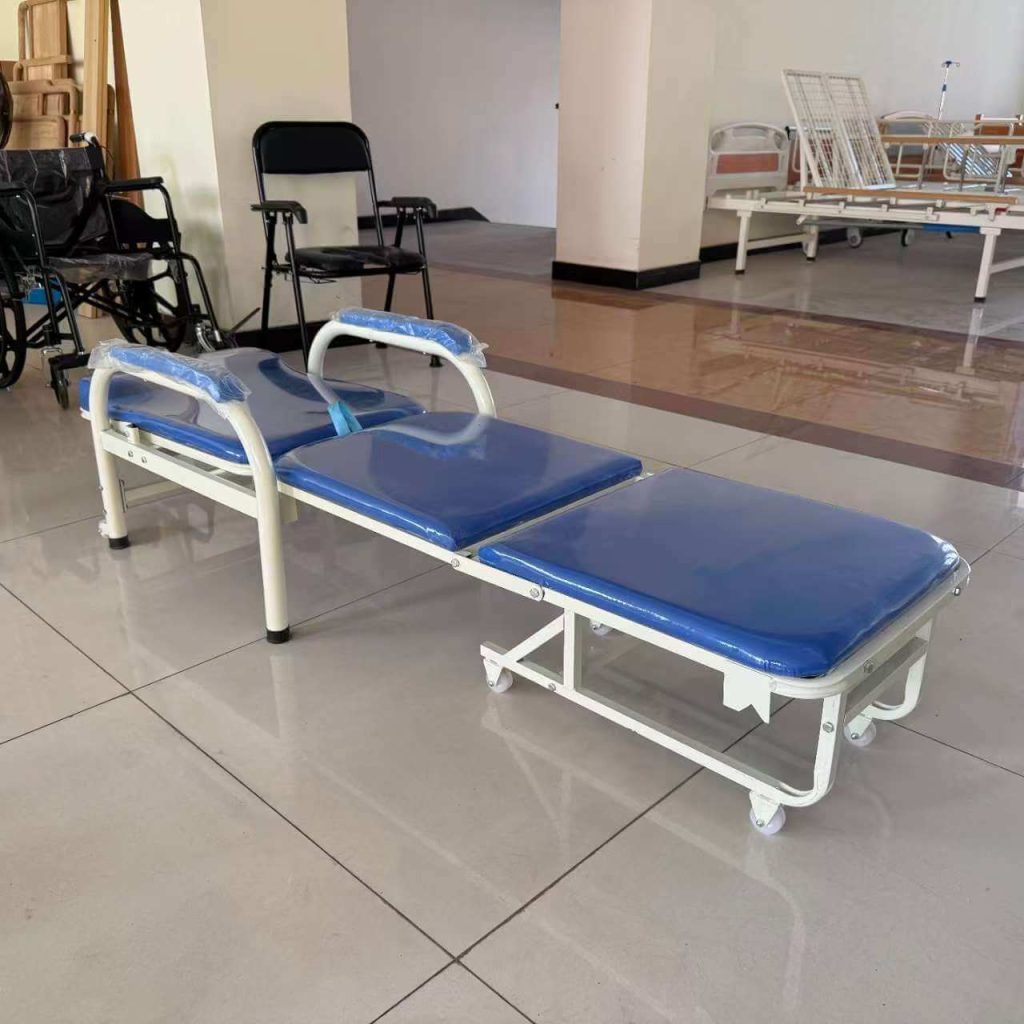
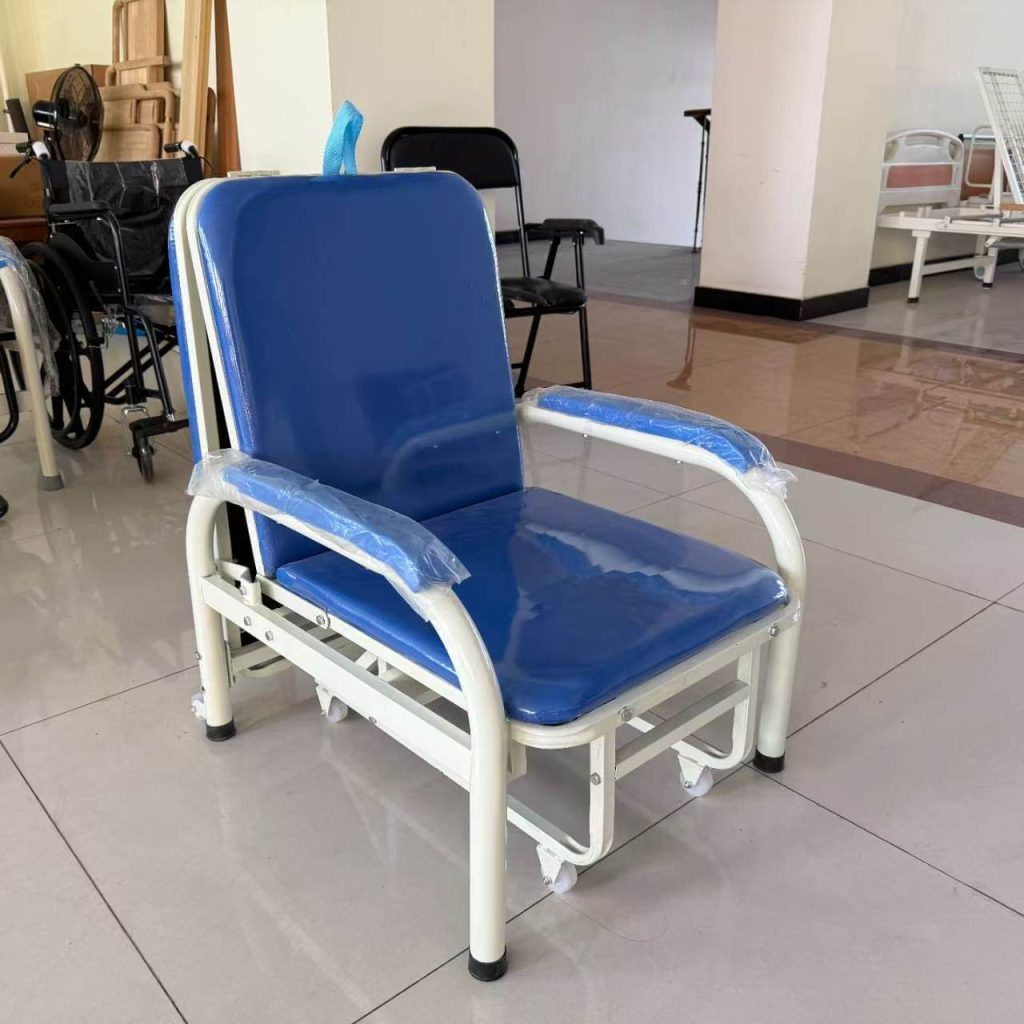
Traditional beds are basic medical beds that provide essential support for patients without advanced electronic monitoring or automation features.
Simple and Reliable Design
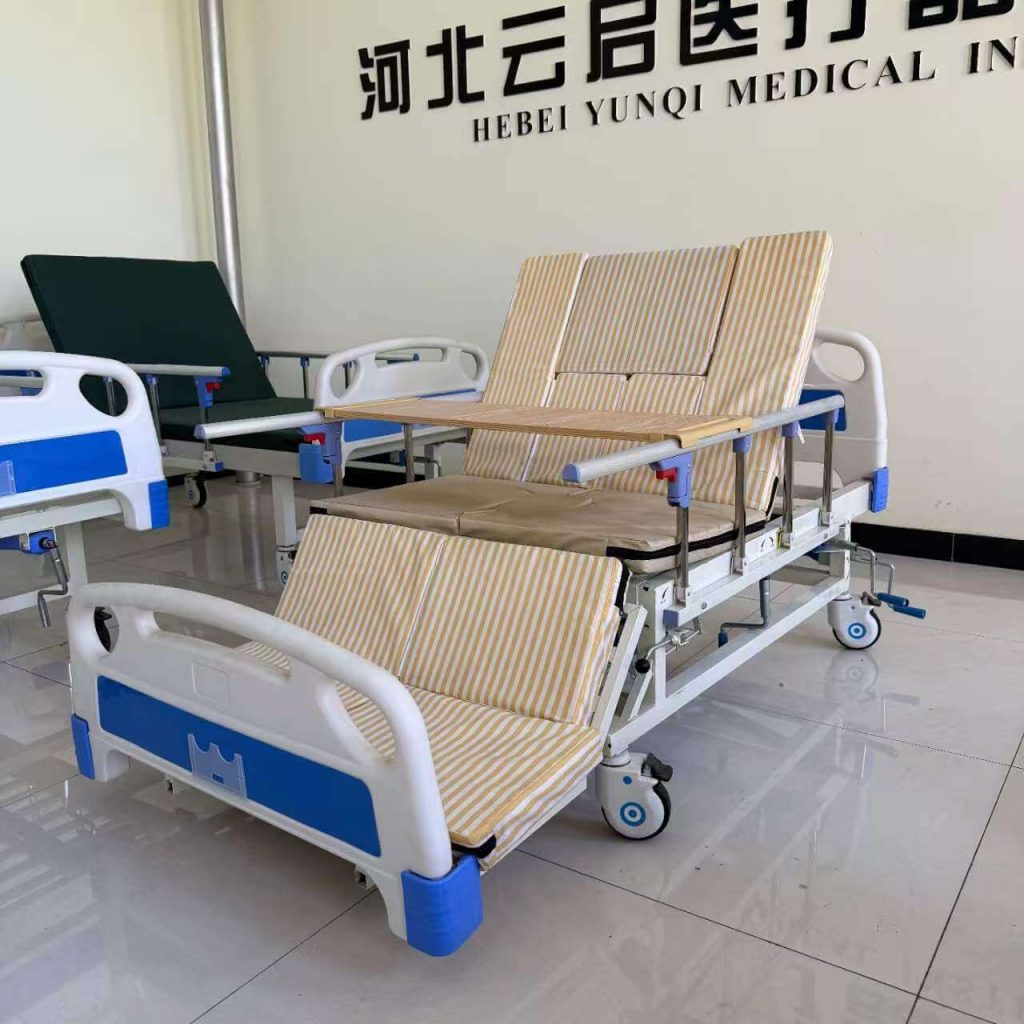
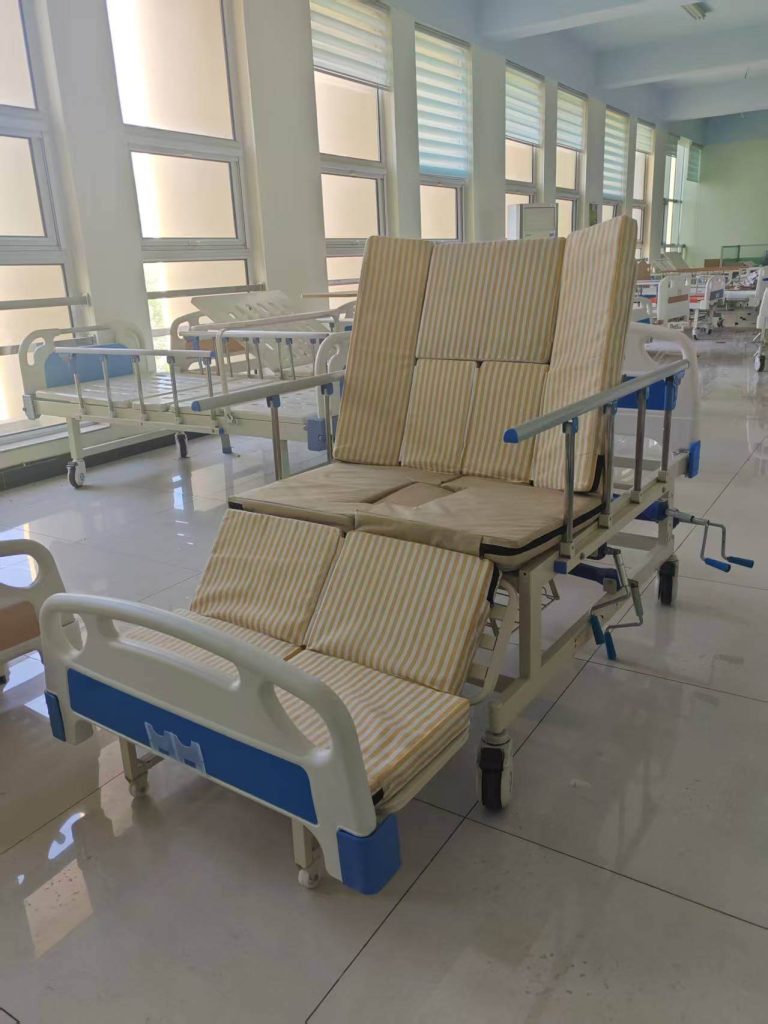
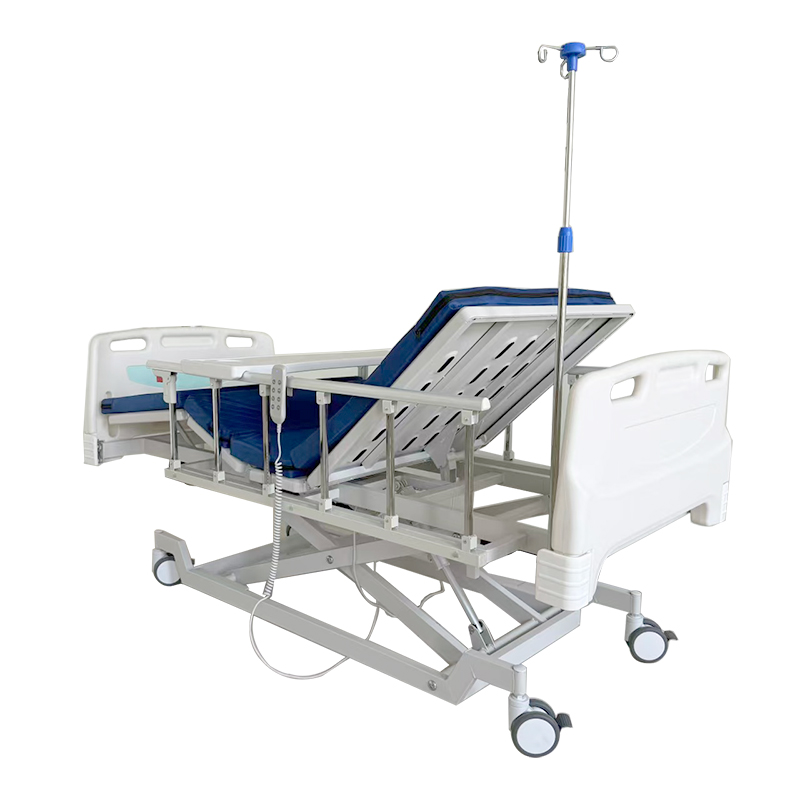
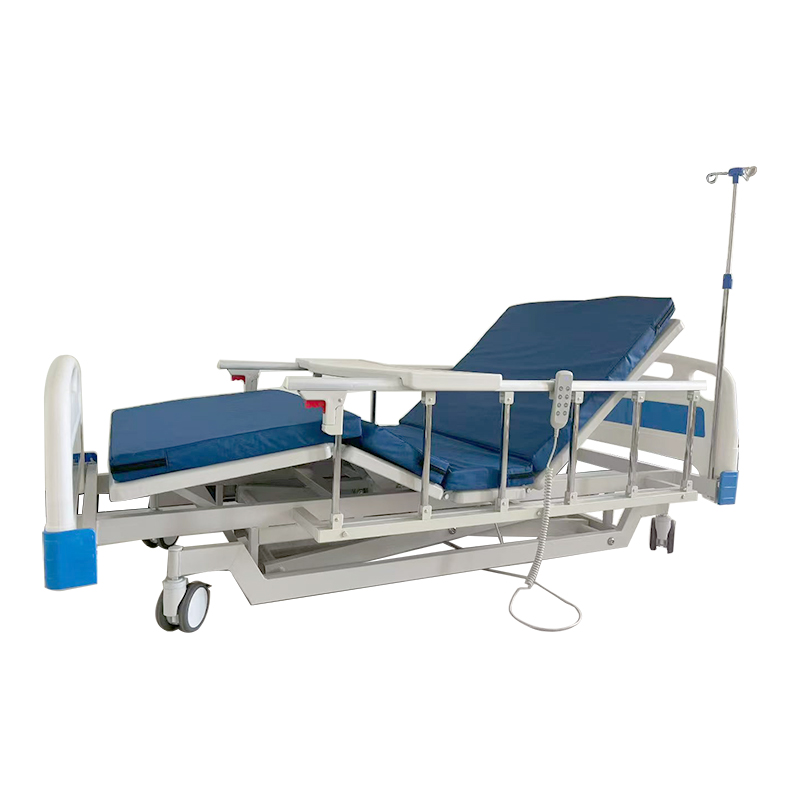
Traditional hospital beds focus on durability and functionality. They typically include manual or electric adjustments for basic positioning.
Lower Initial Investment
Because they lack sophisticated technology, traditional beds usually cost significantly less than smart beds.
Suitable for Basic Care Settings
Traditional beds continue to serve effectively in facilities where advanced monitoring and automation are not required.
Key Differences Between Smart Beds and Traditional Beds
Understanding the major distinctions between these two bed types helps healthcare buyers select the most suitable solution.
Patient Monitoring
Smart beds provide continuous monitoring through integrated sensors. Traditional beds generally require manual patient observation and separate monitoring equipment.
Safety Features
Many smart beds include bed-exit alarms, fall detection systems, and pressure ulcer prevention technologies. Traditional beds rely more heavily on caregiver supervision.
Caregiver Efficiency
Smart beds reduce manual labor through automated positioning and patient handling assistance. Traditional beds often require more physical effort from healthcare staff.
Data Collection
Smart beds generate valuable patient data that supports clinical decision-making. Traditional beds do not offer this capability.
Purchase and Maintenance Costs
Traditional beds usually have lower acquisition and maintenance costs. Smart beds require higher upfront investment and more specialized maintenance.
How Smart Beds Improve Patient Care
Smart beds contribute to better patient outcomes in several ways.
Enhanced Patient Safety
Integrated sensors can alert staff when patients attempt to leave the bed unassisted, reducing fall risks and improving response times.
Better Pressure Injury Prevention
Many smart beds automatically adjust patient positioning to reduce prolonged pressure on vulnerable areas of the body.
Increased Patient Comfort
Automated adjustments allow patients to customize their positions more easily, improving comfort during recovery.
Improved Recovery Support
Features such as weight monitoring and movement tracking help healthcare providers identify potential issues early and intervene promptly.
Advantages of Traditional Beds
Despite the growing popularity of smart beds, traditional beds still offer important benefits.
Cost-Effectiveness
Traditional beds remain an economical choice for healthcare facilities operating within strict budgets.
Easy Maintenance
With fewer electronic components, traditional beds are generally easier and less expensive to maintain.
Long Service Life
Their simple construction often results in excellent durability and long-term reliability.
Minimal Training Requirements
Healthcare staff can quickly learn to operate traditional beds without extensive technical training.
Which Bed Is Better for Hospitals?
The answer depends largely on the hospital’s patient population, care objectives, and budget.
Intensive Care Units
ICUs often benefit significantly from smart beds due to continuous patient monitoring and advanced safety features.
General Wards
Many general wards successfully utilize both smart and traditional beds, depending on patient needs and facility budgets.
Specialized Departments
Departments such as rehabilitation centers, neurological units, and long-term care facilities frequently gain substantial advantages from smart bed technology.
Which Bed Is Better for Home Care?
Home care environments present unique challenges that influence bed selection.
Smart Beds for Complex Care Needs
Patients with chronic illnesses, limited mobility, or high dependency levels may benefit from smart bed features that assist caregivers and improve safety.
Traditional Beds for Basic Home Care
For patients requiring only basic support and positioning, traditional beds often provide sufficient functionality at a lower cost.
Family Caregiver Considerations
Smart beds can reduce caregiver strain by simplifying repositioning and patient transfers, making them attractive for home care settings.
Are Smart Beds Worth the Higher Cost?
For many hospitals and long-term care facilities, smart beds can deliver significant long-term value. Improved patient safety, reduced caregiver workload, and enhanced operational efficiency may offset the higher initial investment over time.
Do Smart Beds Reduce Patient Falls?
Yes. Many smart beds include bed-exit alarms, movement sensors, and automated alerts that help healthcare staff respond quickly to potential fall risks.
Are Traditional Beds Becoming Obsolete?
No. Traditional beds continue to play an important role in healthcare systems worldwide. Their affordability and reliability make them suitable for many facilities and patient populations.
Can Smart Beds Improve Staff Productivity?
Smart beds can improve productivity by reducing manual patient handling, simplifying repositioning tasks, and providing real-time patient information to caregivers.
What Should Buyers Consider Before Choosing a Bed?
Healthcare buyers should evaluate patient needs, facility type, available budget, maintenance capabilities, staffing levels, and long-term operational goals before making a purchasing decision.
Factors to Consider When Purchasing Hospital Beds
Making the right investment requires a comprehensive evaluation of several factors.
Patient Population
Facilities treating high-acuity patients often benefit more from smart bed technology.
Budget Constraints
Organizations should balance upfront costs against long-term operational savings.
Staff Availability
Facilities experiencing staffing shortages may find smart beds particularly valuable due to their automation capabilities.
Maintenance Resources
Smart beds require technical support and maintenance expertise that may not be available in every facility.
Future Expansion Plans
Healthcare organizations planning growth may benefit from investing in technology that supports future operational needs.
Why Many Healthcare Facilities Choose a Combination Approach
Rather than selecting only one type of bed, many healthcare providers adopt a mixed strategy.
High-acuity departments such as ICUs may utilize smart beds, while general wards continue using traditional beds. This approach allows facilities to optimize patient care while controlling capital expenditures.
By strategically allocating resources, healthcare organizations can maximize the benefits of both technologies and address diverse patient requirements effectively.
Conclusion
Both smart beds and traditional beds offer valuable benefits, but they serve different healthcare needs. Smart beds excel in patient monitoring, safety, automation, and caregiver support, making them ideal for hospitals, rehabilitation centers, and advanced home care environments. Traditional beds remain a dependable and cost-effective solution for facilities focused on essential patient care.
When choosing between smart beds and traditional beds, healthcare buyers should carefully assess patient needs, operational goals, staffing resources, and budget considerations. The right choice will ultimately support better patient outcomes and greater operational efficiency.
What are your experiences with smart beds or traditional beds? Share your thoughts in the comments or share this article with colleagues who are evaluating hospital bed solutions.