
Many hospitals and healthcare facilities struggle with outdated medical beds that reduce patient comfort and slow caregiver efficiency. Poor bed functionality can increase patient risks, staff fatigue, and operational costs over time. Upgrading to modern medical beds helps healthcare providers improve patient care, enhance safety standards, optimize workflow efficiency, and create a more advanced and professional healthcare environment.
Modern medical beds improve healthcare facilities by enhancing patient comfort, caregiver efficiency, and operational safety. Features such as electric adjustment systems, ergonomic positioning, pressure relief support, durable construction, and advanced safety functions help hospitals and clinics provide better patient care while reducing staff workload and improving long-term operational performance. Investing in modern medical beds also supports faster patient recovery and better healthcare management.
Modern medical beds offer far more than basic patient support. Understanding their advantages can help healthcare facilities improve both patient outcomes and operational efficiency.
Why Should Healthcare Facilities Upgrade to Modern Medical Beds?
Healthcare facilities today face growing demands for higher patient satisfaction, improved safety, and better medical efficiency. Traditional hospital beds often lack the flexibility and advanced features needed to support modern healthcare environments.
Modern medical beds provide healthcare providers with better patient positioning, easier mobility, improved caregiver access, and advanced safety systems. These features help hospitals and clinics deliver higher-quality medical services while reducing operational strain on healthcare staff.
Facilities that upgrade to modern medical beds often experience:
- Better patient recovery support
- Reduced caregiver fatigue
- Improved healthcare efficiency
- Enhanced patient safety
- Lower long-term maintenance costs
- Increased patient satisfaction
As healthcare standards continue to evolve globally, advanced hospital beds have become an essential part of modern medical infrastructure.
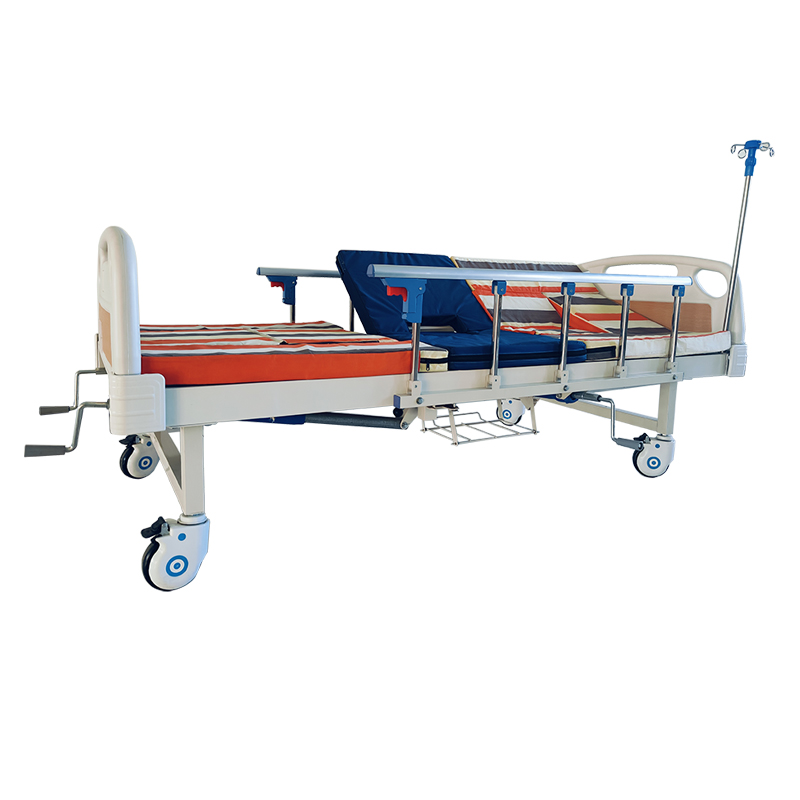
How Do Modern Medical Beds Improve Patient Comfort?
Patient comfort directly affects recovery speed, satisfaction levels, and overall healthcare experience. Modern medical beds are specifically designed to improve physical support and patient well-being.
Adjustable Positioning Systems
Modern electric hospital beds allow patients and caregivers to adjust multiple bed positions easily. Adjustable backrests, knee elevation, and height control improve patient comfort during long-term treatment.
Patients who remain in bed for extended periods often experience discomfort and circulation problems. Adjustable positioning helps reduce physical stress and supports better blood circulation.
Pressure Relief Support
Many modern medical beds are compatible with pressure-relief mattresses designed to reduce pressure ulcers and skin damage.
Pressure sores remain a serious concern for bedridden patients, especially elderly individuals and long-term care patients. Combining advanced beds with pressure-relief mattresses helps reduce this risk significantly.
Improved Accessibility for Elderly Patients
Low-height medical beds help elderly patients enter and exit the bed more safely. This reduces fall risks and supports greater patient independence.
Healthcare facilities focused on elderly care increasingly prefer ultra-low medical beds because they improve safety without sacrificing comfort.
Better Rest and Recovery
Comfortable bed positioning contributes to improved sleep quality and patient relaxation. Better rest often supports faster recovery and improves overall patient satisfaction.
How Do Modern Medical Beds Improve Caregiver Efficiency?
Healthcare professionals perform physically demanding tasks every day. Modern medical beds help reduce workload and improve caregiver productivity.
Easier Patient Handling
Electric adjustment systems allow nurses and caregivers to reposition patients quickly without excessive manual effort.
This reduces the physical strain associated with lifting, turning, and repositioning patients during daily care routines.
Reduced Risk of Workplace Injuries
Height-adjustable beds improve caregiver ergonomics by allowing staff to work at safer and more comfortable positions.
Back injuries remain common among healthcare workers. Modern medical beds help reduce repetitive strain and improve workplace safety.
Faster Emergency Response
In emergency situations, caregivers need immediate access to efficient patient positioning systems.
Advanced medical beds with Trendelenburg and reverse Trendelenburg functions help healthcare staff respond quickly during critical care situations.
Improved Workflow Efficiency
Caregivers can spend less time adjusting beds manually and more time focusing on patient care.
Efficient workflow management improves overall hospital productivity and patient service quality.
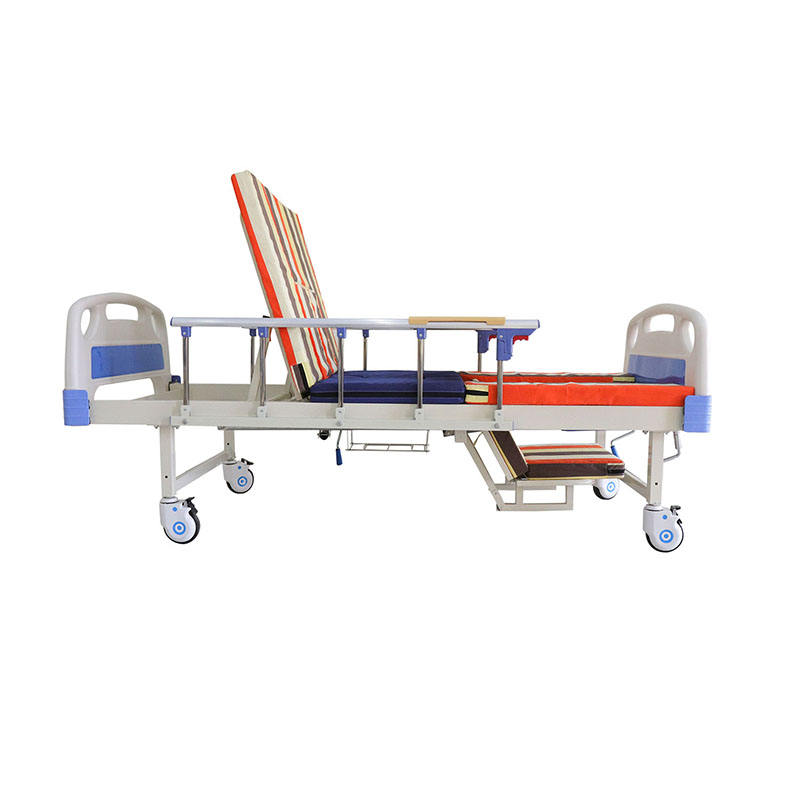
What Features Should Modern Medical Beds Include?
Healthcare facilities should carefully evaluate medical bed features before making purchasing decisions.
Electric Adjustment Functions
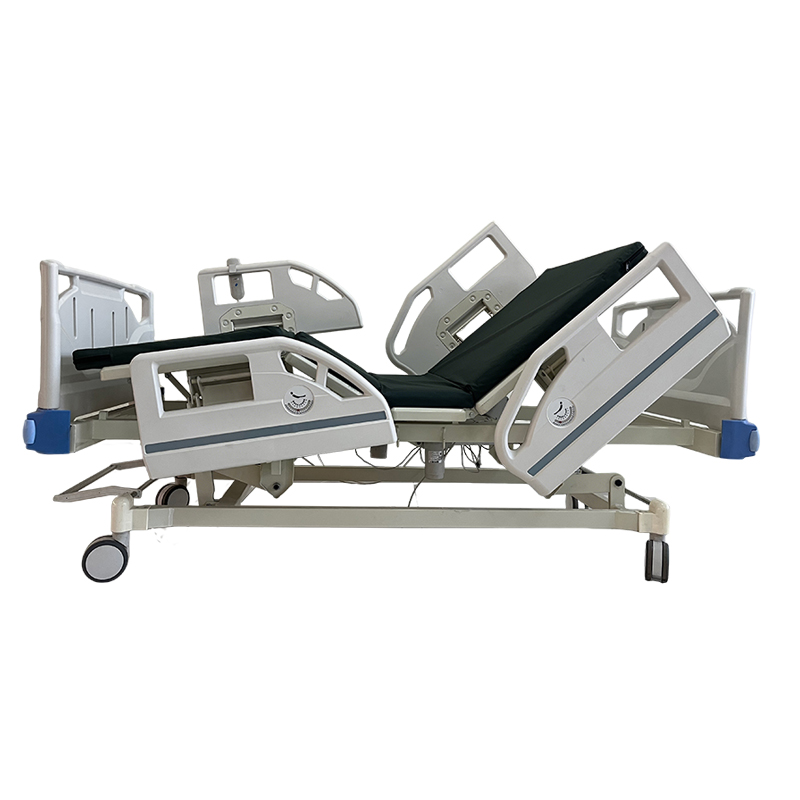
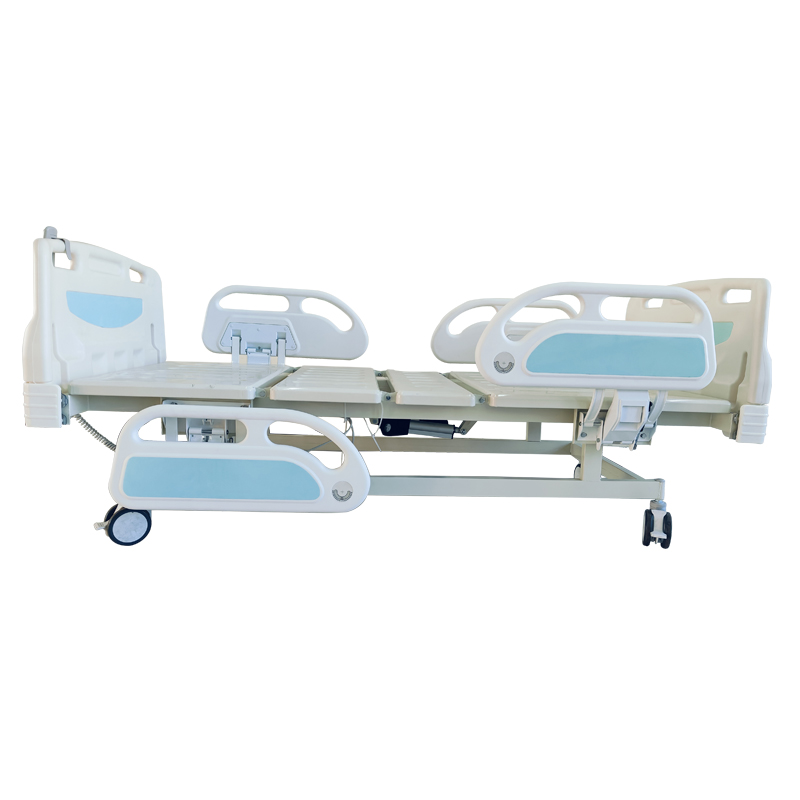
Electric hospital beds provide smooth and efficient positioning adjustments, including:
- Backrest elevation
- Leg elevation
- Bed height adjustment
- Trendelenburg positioning
- Reverse Trendelenburg positioning
These functions improve comfort and simplify daily patient care.
Side Rail Safety Systems
Modern medical beds often use foldable aluminum alloy side rails or ABS side rails to improve patient safety.
Side rails help prevent accidental falls while allowing caregivers convenient access to patients.
Central Locking Casters
Central locking caster systems improve bed stability and mobility.
Healthcare staff can safely transport patients while ensuring stable bed positioning during treatment.
Durable Steel Construction
Strong steel bed frames improve long-term durability and performance under continuous hospital usage.
High-quality construction reduces maintenance frequency and extends product lifespan.
User-Friendly Control Systems
Modern beds often include simple remote-control systems that allow patients and caregivers to adjust bed functions easily.
User-friendly controls improve patient independence and caregiver convenience.
Why Are Electric Hospital Beds Becoming More Popular?
Electric hospital beds have become one of the most widely used solutions in hospitals, clinics, rehabilitation centers, and home care environments.
Improved Patient Independence
Patients can independently adjust bed positions without constantly relying on caregivers.
This improves comfort and helps patients maintain a greater sense of control during treatment.
Better Long-Term Care Support
Electric beds are highly effective for long-term care facilities because they simplify patient management and improve comfort.
Rehabilitation centers and nursing homes often prefer multifunctional electric beds for this reason.
Increased Operational Efficiency
Manual bed adjustments consume valuable caregiver time and energy.
Electric systems improve healthcare efficiency by simplifying routine care tasks.
Advanced Healthcare Technology Integration
Some modern medical beds include advanced digital systems such as:
- Bed exit alarms
- Weight monitoring
- Nurse call integration
- Electronic control panels
These technologies help healthcare facilities improve patient monitoring and operational management.
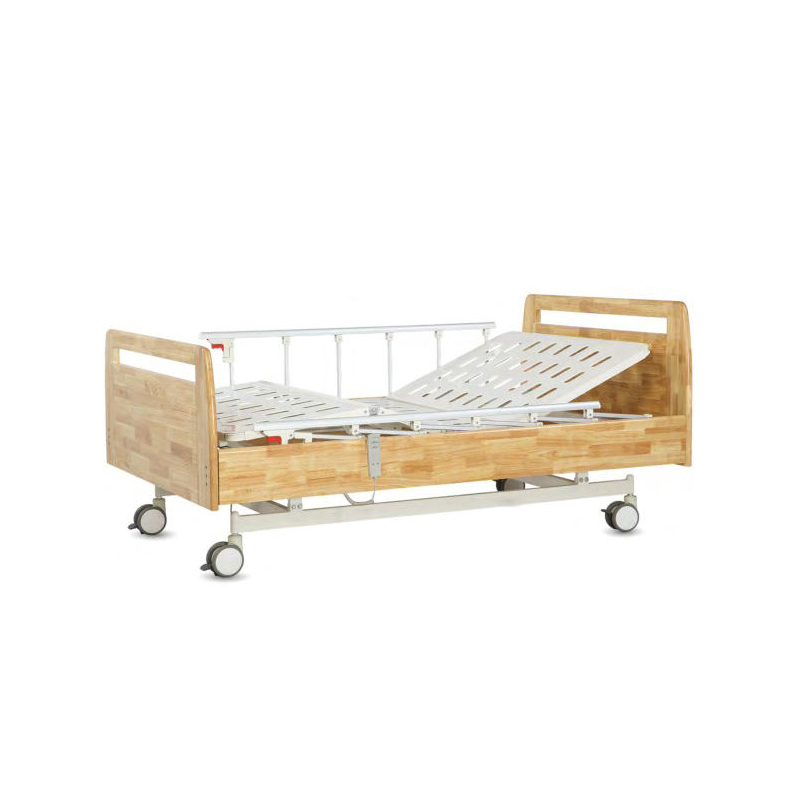
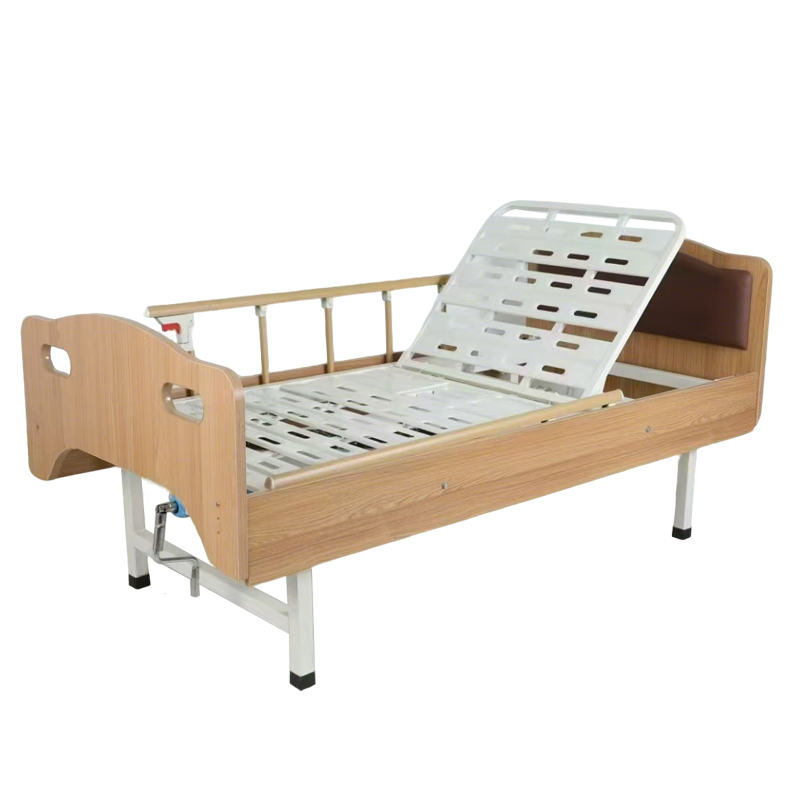
Which Healthcare Facilities Benefit Most from Modern Medical Beds?
Different healthcare environments require different types of medical bed solutions.
Hospitals
Hospitals require durable multifunctional beds that support intensive medical treatment and emergency care.
Fully electric ICU beds are commonly used in hospitals due to their advanced positioning capabilities.
Private Clinics
Private clinics often prioritize compact and cost-effective medical beds that improve patient comfort and maximize available space.
Rehabilitation Centers
Rehabilitation facilities require adjustable beds that support patient mobility training and recovery therapy.
Nursing Homes
Nursing homes benefit from beds with low-height designs, safety rails, and pressure-relief compatibility.
Home Care Environments
Home care beds provide hospital-level support for elderly or recovering patients receiving treatment at home.
These beds improve safety and simplify family caregiving tasks.
How Can Healthcare Facilities Choose the Right Medical Bed Supplier?
Selecting a reliable supplier is just as important as selecting the right medical bed.
Evaluate Manufacturing Capabilities
Healthcare buyers should choose suppliers with strong manufacturing experience and stable production capacity.
A reliable factory ensures consistent product quality and stable supply availability.
Review Product Quality Standards
Medical beds should comply with international healthcare safety and quality standards.
High-quality materials and strict quality control systems improve product reliability.
Consider Delivery Efficiency
Fast delivery times help healthcare facilities avoid supply delays and operational disruptions.
Suppliers with sufficient inventory and efficient production systems provide better purchasing support.
Compare Pricing and Value
Competitive factory pricing helps healthcare facilities manage budgets effectively while maintaining product quality.
Wholesale buyers often benefit from direct factory partnerships.
Assess Customer Support
Reliable suppliers provide technical support, after-sales service, and clear communication throughout the purchasing process.
Why Choose Jcare for Modern Medical Bed Solutions?
Jcare is a professional China-based manufacturer specializing in hospital beds, home care beds, rehabilitation products, medical furniture, and medical bed accessories.
With a 3000 square meter processing plant, Jcare supports global B2B buyers through reliable manufacturing, competitive pricing, and stable product supply.
Factory Direct Pricing
We provide cost-effective wholesale medical bed solutions directly from the factory.
Stable Inventory Capacity
Our ample inventory supports fast order processing and reliable international delivery.
Short Delivery Time
Efficient production systems help us meet global customer demands quickly and efficiently.
Wide International Export Experience
Our products are exported to:
- India
- Middle East
- Southeast Asia
- Europe
- USA
- Japan
- South Korea
Reliable Product Quality
We focus on durable materials, practical designs, and strict quality control standards to support long-term healthcare use.
Conclusion
Modern medical beds play a critical role in improving patient comfort, healthcare safety, and caregiver efficiency. Hospitals, clinics, rehabilitation centers, nursing homes, and home care providers can all benefit from advanced medical bed solutions that support better patient outcomes and smoother healthcare operations. By investing in high-quality and durable medical beds, healthcare facilities can enhance their professional standards while improving long-term operational performance. If you are looking for reliable wholesale medical bed solutions, feel free to contact Jcare and share your healthcare project requirements with us.