
Many healthcare buyers wonder how to select the right hospital bed for different patients, especially when medical conditions, mobility levels, and care environments vary widely. Choosing the wrong bed can reduce patient comfort, increase caregiver strain, and even slow recovery. Understanding patient needs, bed functions, and safety features helps buyers select the most suitable hospital bed for hospitals, clinics, rehabilitation centers, and home care settings.
Choosing the right hospital bed depends on the patient’s medical condition, mobility, recovery needs, and care environment. Manual beds are suitable for basic care, while electric and multifunction beds provide better comfort, positioning, and caregiver efficiency. Buyers should also evaluate safety features, mattress compatibility, weight capacity, durability, and adjustability to ensure the bed supports both patient recovery and long-term healthcare operations.
Different patients require different bed features. Let’s explore how to choose the ideal hospital bed for every care situation.
People Also Ask: Why Is Choosing the Right Hospital Bed So Important?
A hospital bed is more than basic medical furniture. It directly affects patient safety, comfort, recovery speed, and caregiver efficiency. Choosing the wrong bed may lead to poor positioning, pressure injuries, caregiver fatigue, and unnecessary operational costs.
Modern healthcare facilities now prioritize hospital beds that improve both patient outcomes and workflow efficiency. Hospitals, nursing homes, rehabilitation centers, and home care providers all require beds designed for specific medical needs.
For example, a patient recovering from surgery may require adjustable positioning and pressure relief, while an elderly patient may need a low-height bed to reduce fall risks. Similarly, bariatric patients require reinforced bed frames with higher weight capacities.
By matching the hospital bed to the patient’s condition and care environment, healthcare providers can improve treatment quality while reducing long-term maintenance and labor costs.
Understanding the Main Types of Hospital Beds
Hospital beds are generally divided into three major categories: manual, semi-electric, and fully electric beds. Each type offers different advantages depending on the patient’s condition and budget requirements.
Manual Hospital Beds
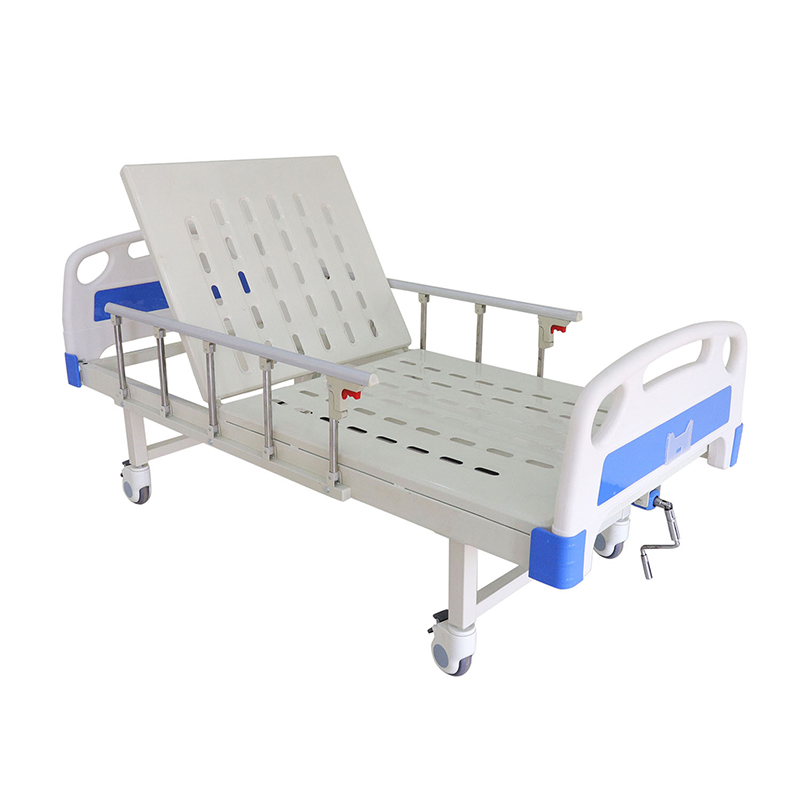
Manual hospital beds use mechanical hand cranks to adjust the backrest or leg sections.
Advantages of Manual Beds
- Lower purchase cost
- Easy maintenance
- Simple mechanical structure
- Suitable for temporary care situations
- Reliable operation without heavy electrical dependence
Best Applications
Manual hospital beds are commonly used in:
- Small clinics
- Rural healthcare facilities
- Short-term patient recovery
- Budget-sensitive projects
Although manual beds are affordable, they require caregivers to perform physical adjustments manually, which may increase labor intensity.
Semi-Electric Hospital Beds
Semi-electric hospital beds combine electric positioning with manual height adjustment.
Benefits of Semi-Electric Beds
- Easier patient positioning
- Reduced caregiver workload
- More comfortable for long-term patients
- Lower cost than fully electric beds
These beds are widely used in nursing homes, rehabilitation centers, and long-term care facilities where patients need frequent position adjustments but budgets remain limited.
Semi-electric beds offer a balance between functionality and affordability.
Fully Electric Hospital Beds
Fully electric hospital beds provide complete motorized control of height, backrest, and leg positioning.
Key Features
- Electric height adjustment
- Trendelenburg positioning
- Reverse Trendelenburg positioning
- Smooth motorized operation
- Enhanced patient independence
- Improved caregiver efficiency
Suitable Applications
Fully electric beds are ideal for:
- Intensive care units
- Long-term care facilities
- Rehabilitation centers
- Elderly care
- Advanced home care settings
Because they reduce manual handling, fully electric beds help lower caregiver injuries and improve patient comfort.
How Patient Mobility Influences Bed Selection
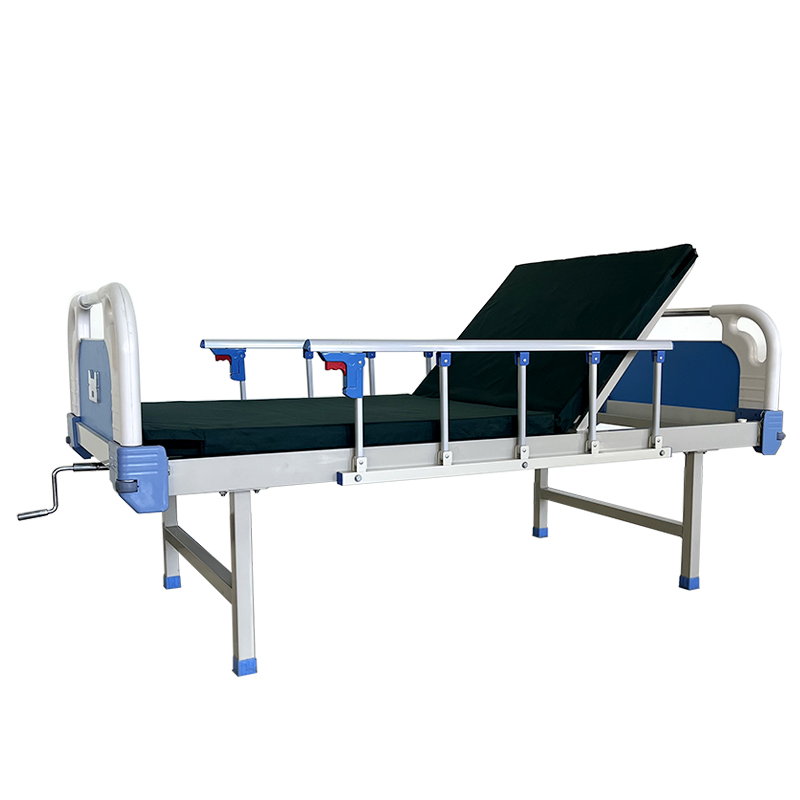
Patient mobility is one of the most important factors when choosing a hospital bed.
Patients with Limited Mobility
Patients who cannot reposition themselves independently require beds with electric adjustment functions. These beds allow caregivers to reposition patients safely while reducing physical strain.
Electric adjustment also improves circulation and reduces pressure buildup.
Independent or Semi-Independent Patients
Patients with partial mobility may benefit from beds with easy-to-use controls that allow them to adjust their own positions. This increases comfort and promotes greater independence during recovery.
Rehabilitation Patients
Rehabilitation patients often need beds that support movement training, patient transfers, and physical therapy activities.
Beds with adjustable height and multiple positioning functions are particularly useful in rehabilitation environments.
Choosing Hospital Beds for Elderly Patients
Elderly patients often face mobility challenges, fall risks, and chronic health conditions. Their beds should prioritize safety, accessibility, and comfort.
Important Features for Elderly Care Beds
- Low-height positioning
- Quiet electric motors
- Stable side rails
- Comfortable mattress support
- Easy patient transfer capability
- User-friendly remote controls
Low-height beds are especially important because they reduce injury risks if a patient accidentally falls out of bed.
Many home care environments also prefer wooden-style electric beds because they create a more residential and less clinical appearance.
Hospital Beds for Bariatric Patients
Standard hospital beds may not safely support bariatric patients. Specialized bariatric hospital beds are designed with reinforced structures and larger sleeping surfaces.
Key Bariatric Bed Features
- High weight capacity
- Heavy-duty steel frame
- Wider mattress platform
- Reinforced motor systems
- Strong locking casters
These features improve patient safety while reducing equipment failure risks.
Healthcare facilities treating bariatric patients should always verify bed load capacities before purchasing.
Why Safety Features Matter in Hospital Beds
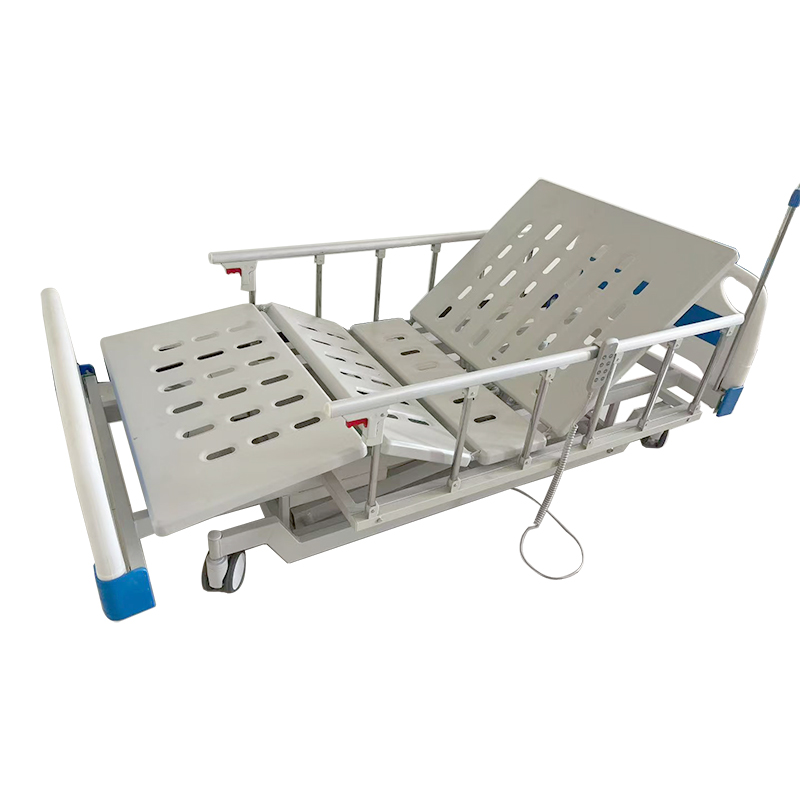
Patient safety is a top priority in healthcare environments. Modern hospital beds now include various safety systems designed to reduce accidents and improve care quality.
Side Rails
Side rails help prevent falls and assist patient repositioning.
Common side rail options include:
- ABS side rails
- Foldable aluminum alloy rails
- Full-length rails
- Half-length rails
The choice depends on patient mobility and medical requirements.
Locking Caster Systems
Hospital bed casters should provide both smooth mobility and secure locking performance.
Popular caster systems include:
- Central locking casters
- Individual brake casters
- Double-sided locking systems
Stable bed positioning improves both caregiver efficiency and patient safety.
Emergency Functions
Advanced hospital beds may include emergency CPR functions and battery backup systems for critical care situations.
These functions are especially important in ICU environments where emergencies require rapid patient positioning changes.
How Bed Adjustability Improves Recovery
Adjustable hospital beds support patient recovery by improving body positioning and reducing physical stress.
Backrest Elevation
Backrest adjustment helps:
- Improve breathing
- Support eating and communication
- Reduce aspiration risk
- Increase comfort during recovery
Patients recovering from surgery or respiratory illness often require frequent backrest adjustments.
Leg Elevation
Leg elevation improves blood circulation and reduces swelling.
This function benefits:
- Post-surgical patients
- Elderly patients
- Patients with circulation disorders
Height Adjustment
Height-adjustable beds improve caregiver ergonomics by reducing bending and lifting.
This helps reduce workplace injuries while making patient transfers easier and safer.
Why Mattress Compatibility Should Not Be Ignored
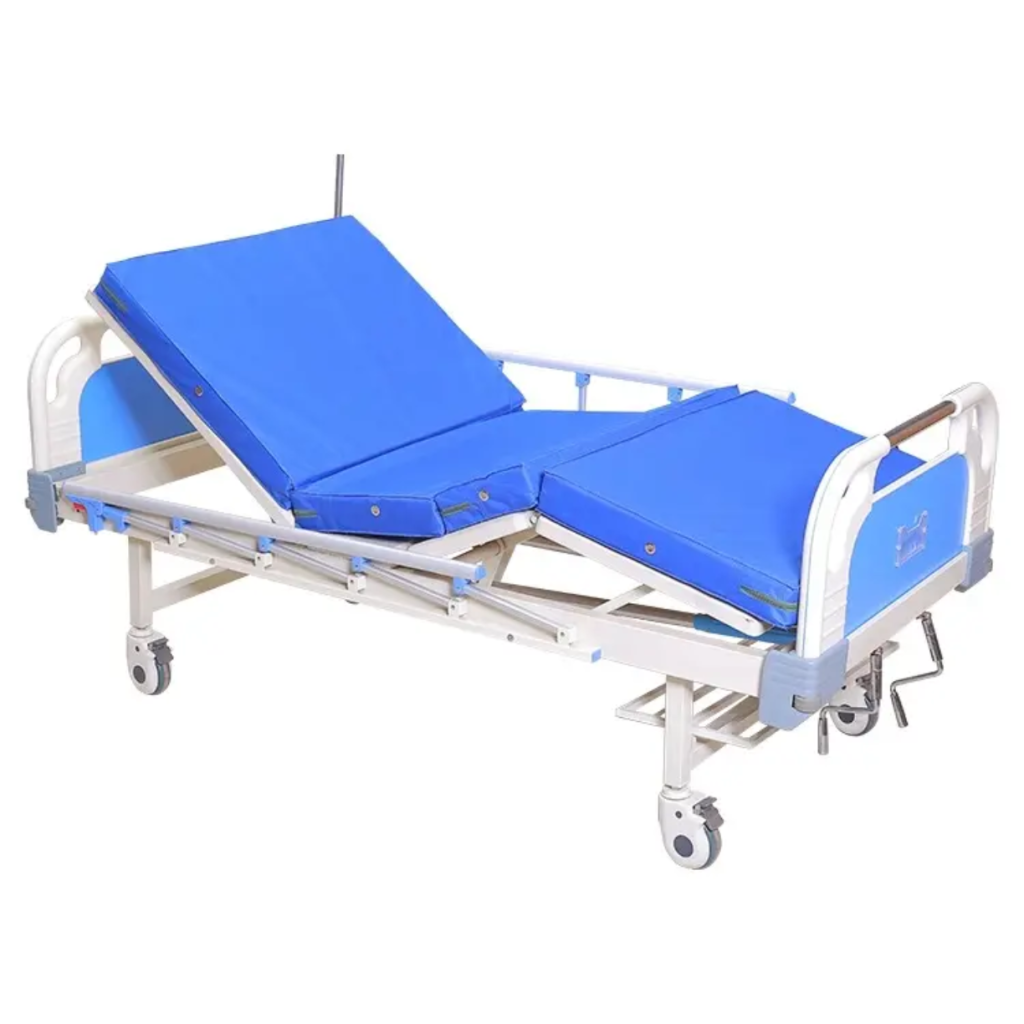
The mattress plays a major role in patient comfort and pressure management.
Pressure Relief for Long-Term Patients
Patients who remain in bed for extended periods are vulnerable to pressure ulcers.
Pressure-relief mattresses help:
- Distribute body weight evenly
- Improve blood circulation
- Reduce skin pressure
- Increase patient comfort
Common Hospital Mattress Types
Healthcare buyers commonly choose:
- Foam mattresses
- Air mattresses
- Gel mattresses
- Pressure-relief mattresses
Choosing the correct mattress can significantly improve patient recovery outcomes.
How Durability Impacts Long-Term Costs
Some buyers focus only on initial pricing, but hospital bed durability is equally important.
High-quality hospital beds offer:
- Longer service life
- Lower maintenance expenses
- Better reliability
- Reduced replacement frequency
Healthcare facilities should evaluate:
- Steel frame quality
- Welding precision
- Surface coating durability
- Motor reliability
- Accessory compatibility
Durable beds provide better long-term value and reduce operational disruptions.
Selecting Hospital Beds for Home Care
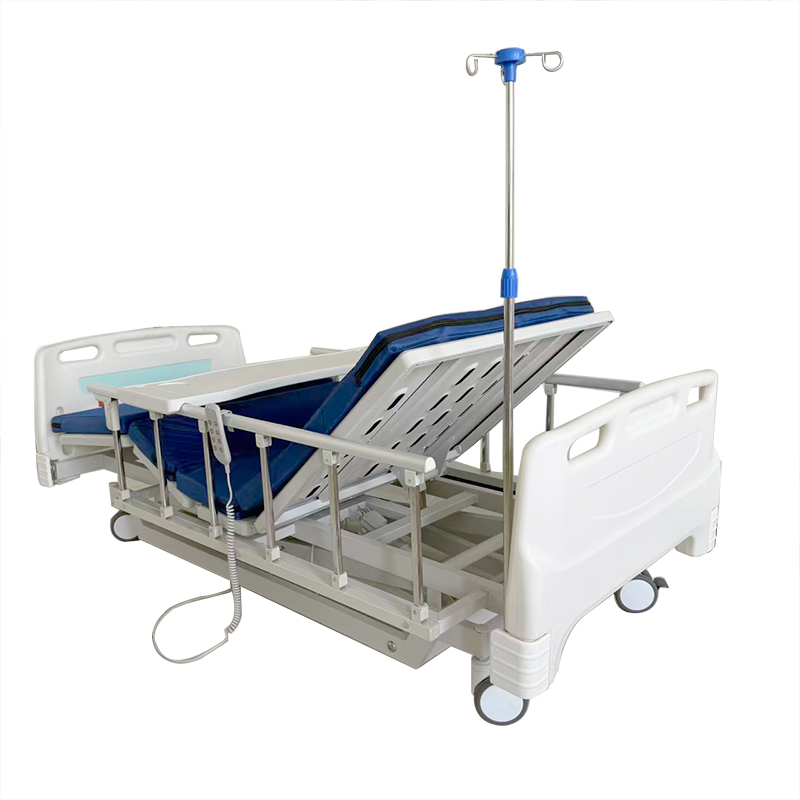
Home care beds are becoming increasingly popular due to aging populations and growing home healthcare demand.
What Home Care Buyers Need
Home care beds should offer:
- Comfortable appearance
- Quiet operation
- Easy controls
- Compact size
- Safety rails
- Smooth positioning adjustment
Electric home care beds are especially useful because they allow family caregivers to assist patients more easily while improving patient independence.
Wooden home care beds are also preferred in many residential environments because they blend naturally with home furniture.
Why Reliable Suppliers Matter for Wholesale Buyers
For hospitals, distributors, and medical equipment importers, choosing the right supplier is critical.
A reliable supplier provides:
- Stable product quality
- Competitive factory pricing
- Fast delivery
- Export experience
- OEM customization support
- Consistent inventory availability
Jcare specializes in B2B wholesale hospital bed solutions for global buyers. With a 3000-square-meter processing plant, factory-direct pricing, ample stock, and short delivery times, Jcare supports hospitals, clinics, rehabilitation centers, and distributors across India, the Middle East, Southeast Asia, Europe, the USA, Japan, and South Korea.
Matching Hospital Beds to Different Patient Needs
Different healthcare scenarios require different hospital bed configurations.
| Patient Type | Recommended Bed Type |
|---|---|
| ICU Patients | Five-function electric hospital bed |
| Elderly Patients | Low-height electric home care bed |
| Bariatric Patients | Heavy-duty bariatric bed |
| Rehabilitation Patients | Rehabilitation support bed |
| Temporary Recovery | Manual hospital bed |
| Long-Term Care Patients | Fully electric hospital bed |
| Home Care Patients | Electric wooden home care bed |
Selecting the correct bed improves patient comfort, operational efficiency, and long-term healthcare quality.
Conclusion
Choosing the right hospital bed requires careful evaluation of patient mobility, medical condition, recovery goals, and care environment. Manual beds may suit basic care situations, while electric and multifunction beds provide greater comfort, safety, and efficiency for long-term or critical care patients.
Healthcare buyers should also prioritize safety features, mattress compatibility, durability, and supplier reliability when making purchasing decisions. A well-chosen hospital bed not only improves patient recovery but also enhances caregiver efficiency and reduces long-term operational costs.
As healthcare demands continue evolving, investing in the right hospital bed solutions becomes increasingly important for hospitals, clinics, rehabilitation centers, and home care providers worldwide.
If you found this guide helpful, feel free to share it with your team or contact Jcare to learn more about wholesale hospital bed solutions for your healthcare projects.