
Many healthcare buyers struggle to decide whether they should prioritize low prices or premium quality when purchasing hospital beds. Choosing the wrong option can lead to high maintenance costs, poor patient comfort, and reduced equipment lifespan. Understanding how to balance cost, durability, functionality, and supplier reliability helps buyers make smarter long-term purchasing decisions while staying within budget.
Balancing cost and quality when purchasing hospital beds requires evaluating long-term value rather than focusing only on the lowest price. Buyers should compare durability, safety certifications, materials, functionality, maintenance costs, and supplier reliability. A high-quality hospital bed with stable performance and lower repair frequency often delivers better operational efficiency and lower total ownership costs over time.
Price matters, but long-term performance matters even more. Let’s explore how buyers can balance affordability and quality effectively.
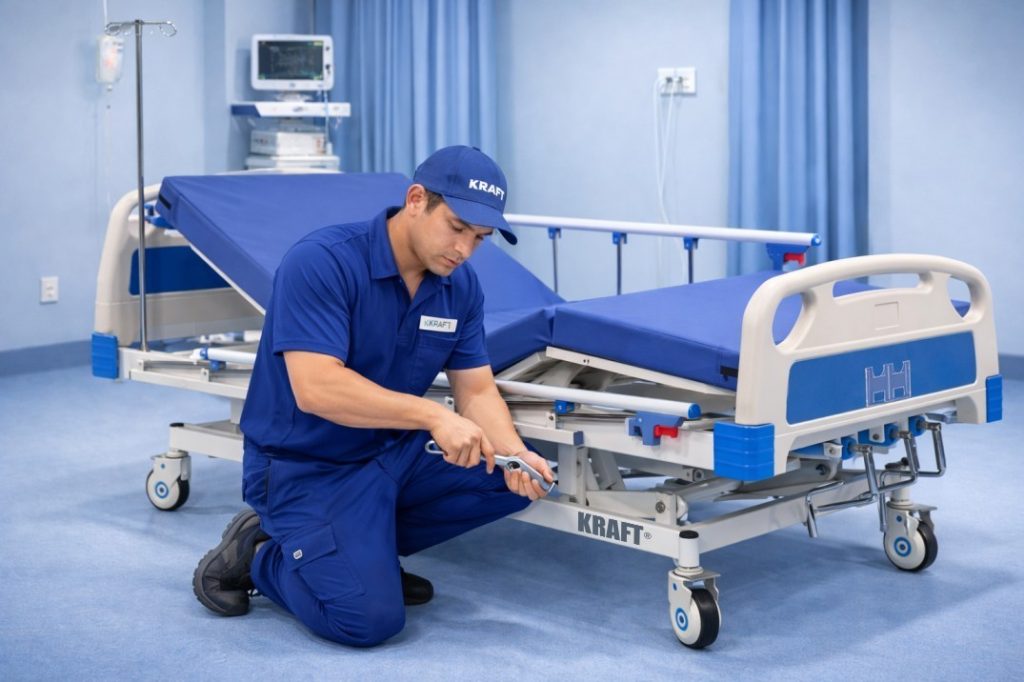
Why Is Balancing Cost and Quality Important When Buying Hospital Beds?
Hospital beds are essential medical equipment used daily in hospitals, rehabilitation centers, nursing homes, and home care environments. Buyers often focus heavily on reducing procurement expenses, especially when purchasing large quantities. However, selecting the cheapest option without considering quality can create significant long-term problems.
Low-quality hospital beds may experience:
- Frequent breakdowns
- Reduced patient comfort
- Higher maintenance costs
- Shorter product lifespan
- Increased safety risks
- Operational disruptions
At the same time, purchasing the most expensive hospital beds is not always necessary. Some facilities may pay for advanced functions they rarely use, increasing unnecessary procurement costs.
Balancing cost and quality helps healthcare providers:
- Improve operational efficiency
- Reduce long-term maintenance expenses
- Enhance patient comfort
- Increase caregiver convenience
- Extend equipment lifespan
- Optimize procurement budgets
A smart purchasing decision focuses on overall value rather than simply choosing the cheapest or most expensive product available.
What Factors Influence Hospital Bed Pricing?
Hospital bed prices vary depending on several important factors. Understanding these factors helps buyers compare products more accurately.
Bed Type
Different hospital bed categories have different price levels, including:
- Manual hospital beds
- Semi-electric hospital beds
- Fully electric hospital beds
- ICU beds
- Bariatric beds
- Pediatric beds
- Home care beds
Manual hospital beds are usually more affordable, while electric ICU beds with advanced positioning systems and monitoring features cost significantly more.
Material Quality
The materials used directly affect durability and product lifespan.
High-quality materials include:
- Heavy-duty steel frames
- ABS side rails
- Durable casters
- Anti-corrosion coatings
- Reliable motor systems
Lower-quality materials may reduce initial costs but can lead to faster wear and more frequent repairs.
Functional Features
Additional features increase pricing, such as:
- Height adjustment
- Backrest adjustment
- Trendelenburg positioning
- Central locking systems
- Battery backup
- Nurse control panels
- Bed exit alarms
Healthcare facilities should focus on functions that match actual patient care requirements.
Manufacturing Standards
Hospital beds produced under strict quality control systems and international certifications generally cost more because they meet higher safety and durability standards.
How Can Buyers Evaluate Hospital Bed Quality?
Evaluating hospital bed quality involves more than checking product appearance. Buyers should assess structural strength, operational reliability, and safety compliance.
Check Safety Certifications
Reliable manufacturers typically provide certifications such as:
- ISO certification
- CE certification
- FDA registration for certain markets
These certifications indicate that the products meet recognized international safety and quality standards.
Examine the Bed Frame
The frame is one of the most important structural components.
Buyers should evaluate:
- Steel thickness
- Welding quality
- Frame stability
- Weight capacity
- Surface coating durability
Strong frames improve long-term reliability and reduce maintenance needs.
Inspect Side Rails and Casters
Side rails and wheels are frequently used and highly important for patient safety.
Good-quality side rails should:
- Lock securely
- Operate smoothly
- Resist cracking
Durable casters should:
- Move quietly
- Support heavy loads
- Lock firmly
- Resist wear over time
Evaluate Motor Systems
For electric hospital beds, motor quality is critical.
Reliable motors provide:
- Smooth operation
- Lower noise
- Longer lifespan
- Better patient comfort
Cheap motor systems may fail more often and increase repair costs.
Why Is Total Ownership Cost More Important Than Initial Price?
Many buyers focus only on the purchase price without considering long-term operational costs. However, the initial price is only one part of the total investment.
Maintenance Expenses
Low-cost hospital beds often require:
- Frequent repairs
- Replacement parts
- Motor servicing
- Wheel replacement
These maintenance expenses can quickly exceed the original savings.
Product Lifespan
Higher-quality hospital beds generally last longer.
For example:
- Low-quality beds may require replacement after a few years
- Durable beds can provide reliable performance for much longer periods
Longer lifespan reduces replacement frequency and improves cost efficiency.
Operational Downtime
Hospital bed failures can interrupt patient care and increase staff workload.
Reliable equipment minimizes:
- Downtime
- Emergency maintenance
- Care disruptions
This is especially important in hospitals and intensive care environments where equipment reliability directly affects patient safety.
Labor Efficiency
Electric hospital beds can reduce caregiver strain by simplifying patient positioning and mobility assistance.
Improved efficiency may reduce labor-related operational costs over time.
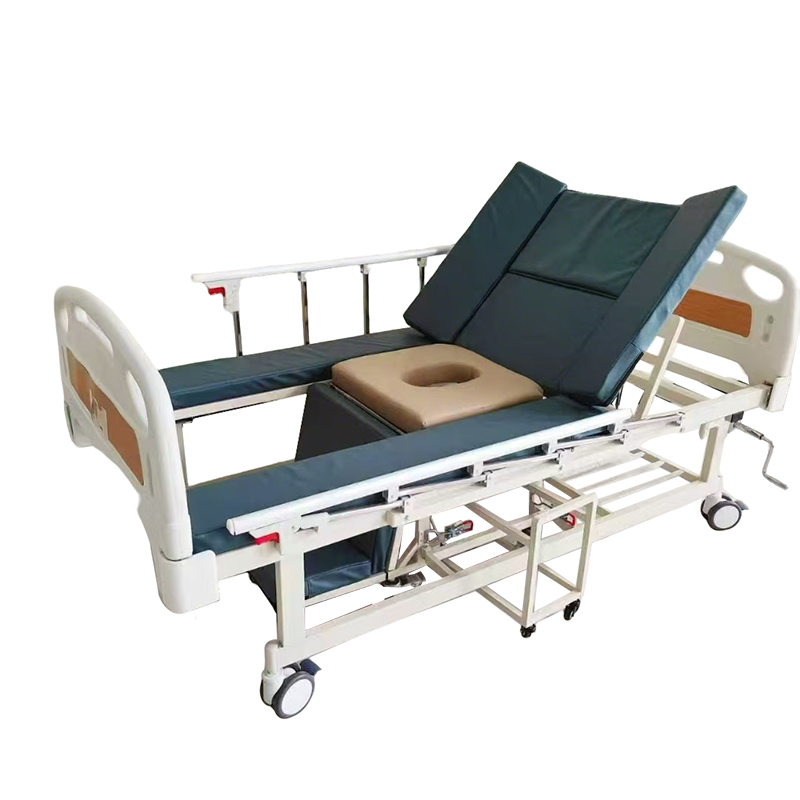
How Can Buyers Avoid Paying for Unnecessary Features?
Not every healthcare facility requires high-end ICU functionality. Choosing features that match actual operational needs is essential.
Understand Patient Requirements
Different healthcare environments require different bed specifications.
Hospitals
Hospitals often prioritize:
- Electric adjustment
- Multi-position functions
- Mobility
- Safety systems
Nursing Homes
Nursing homes may focus more on:
- Comfort
- Durability
- Easy operation
- Fall prevention
Home Care
Home care beds usually require:
- Quiet operation
- Simple controls
- Compact design
- Comfortable appearance
Avoid Feature Overload
Some buyers purchase advanced beds with functions that are rarely used.
Excessive features can increase:
- Purchase costs
- Maintenance complexity
- Training requirements
Focusing on essential functionality improves budget efficiency while maintaining practical performance.
How Does Supplier Reliability Affect Purchasing Decisions?
A reliable supplier is just as important as the product itself.
Stable Production Capacity
Healthcare buyers often require:
- Large-volume orders
- Fast delivery
- Consistent quality
Manufacturers with stable production systems can better support long-term procurement needs.
Spare Parts Availability
Reliable suppliers maintain spare parts inventory and technical support services.
This helps reduce:
- Repair delays
- Equipment downtime
- Maintenance difficulties
Export Experience
Experienced exporters understand:
- International quality standards
- Shipping procedures
- Packaging requirements
- Market-specific regulations
Working with experienced manufacturers helps reduce procurement risks and communication problems.
After-Sales Support
Good after-sales service is essential for long-term cooperation.
Buyers should evaluate:
- Warranty terms
- Technical assistance
- Replacement policies
- Response speed
Reliable support improves overall purchasing value.
Should Buyers Choose Manual or Electric Hospital Beds?
The best choice depends on budget, patient needs, and care intensity.
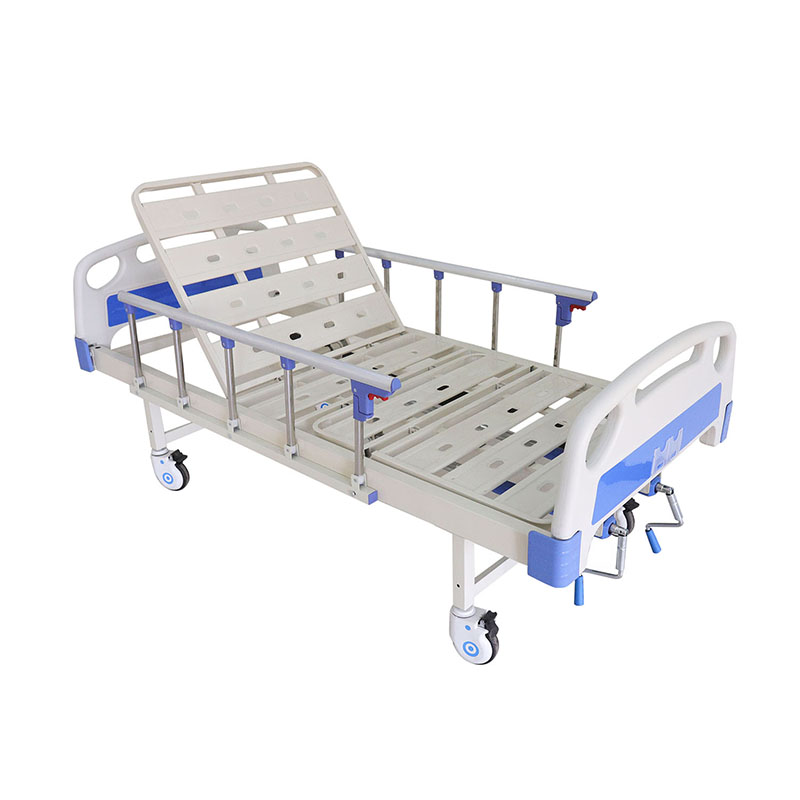
Advantages of Manual Hospital Beds
Manual hospital beds offer:
- Lower purchase costs
- Simple maintenance
- Mechanical reliability
- Easy operation
They are often suitable for:
- Budget-sensitive facilities
- Basic patient care
- Short-term use
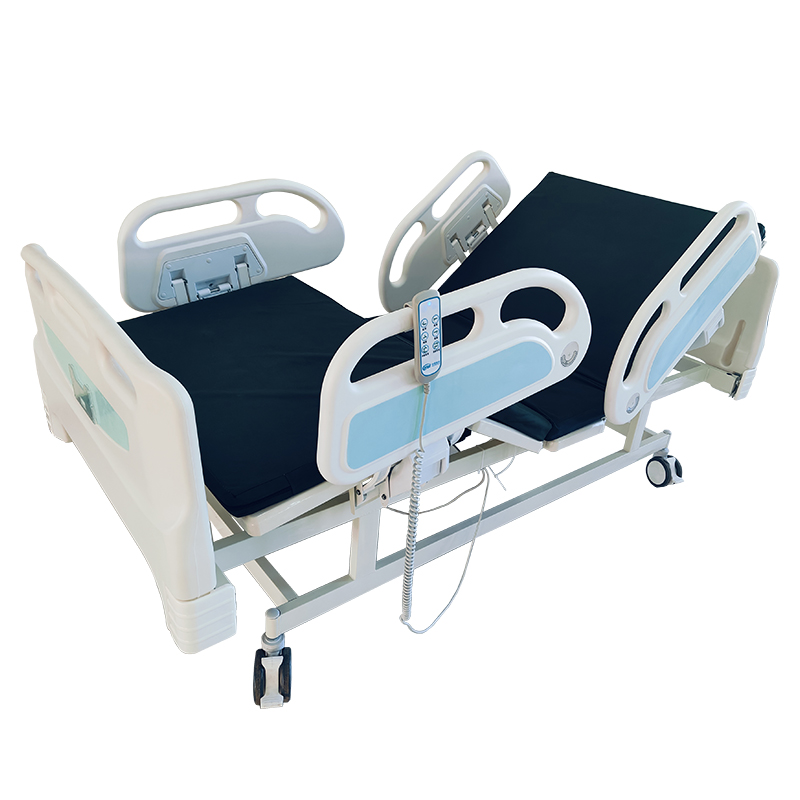
Advantages of Electric Hospital Beds
Electric hospital beds provide:
- Easier patient positioning
- Reduced caregiver workload
- Better patient comfort
- Improved operational efficiency
They are commonly preferred for:
- Hospitals
- Rehabilitation centers
- Long-term care facilities
- Home care environments
Although electric beds require higher initial investment, they may reduce long-term labor and maintenance costs.
What Purchasing Strategies Help Buyers Improve Value?
Smart purchasing strategies can help buyers achieve better cost-performance balance.
Compare Multiple Suppliers
Buyers should compare:
- Product quality
- Certifications
- Delivery time
- Warranty terms
- Pricing
- After-sales support
Choosing based only on price increases procurement risks.
Request Product Samples
Testing samples helps buyers evaluate:
- Structural durability
- Ease of operation
- Material quality
- User comfort
This reduces the risk of large-scale purchasing mistakes.
Consolidate Orders
Bulk purchasing often provides:
- Better pricing
- Lower shipping costs
- More stable production schedules
Large-volume cooperation may also improve long-term supplier relationships.
Verify Factory Capabilities
Buyers should evaluate:
- Factory size
- Production capacity
- Quality control systems
- Export history
Reliable manufacturers usually provide more consistent quality and delivery performance.
What Common Mistakes Should Buyers Avoid?
Choosing Only Based on Price
Extremely low prices often indicate compromises in:
- Materials
- Safety
- Durability
- Components
Short-term savings can create higher long-term expenses.
Ignoring Maintenance Requirements
Some hospital beds may appear affordable initially but require costly repairs later.
Overlooking Patient Comfort
Comfort directly affects patient recovery and satisfaction.
Important comfort factors include:
- Mattress compatibility
- Positioning smoothness
- Bed stability
- Noise reduction
Selecting Unverified Suppliers
Unverified suppliers may lack:
- Proper certifications
- Stable quality control
- Reliable after-sales service
Careful supplier evaluation reduces purchasing risks.
What Is the Best Way to Balance Cost and Quality?
The best purchasing strategy is focusing on long-term value instead of short-term savings.
Buyers should evaluate:
- Product durability
- Safety compliance
- Maintenance costs
- Functional suitability
- Supplier reliability
- Total ownership cost
A well-designed, durable hospital bed with stable performance often provides significantly better long-term value than the cheapest alternative.
Healthcare facilities should prioritize practical functionality, operational efficiency, and long-term reliability to achieve the ideal balance between affordability and quality.
Conclusion
Balancing cost and quality when purchasing hospital beds is essential for improving healthcare efficiency, patient comfort, and long-term operational savings. Focusing only on low prices can result in frequent maintenance, shorter product lifespan, and increased safety risks, while unnecessary premium features may waste procurement budgets.
By carefully evaluating durability, functionality, safety certifications, maintenance requirements, and supplier reliability, buyers can make smarter purchasing decisions that deliver better long-term value.
If you are sourcing hospital beds for hospitals, nursing homes, rehabilitation centers, or home care projects, choosing a trusted manufacturer with stable quality and reliable support can help maximize both performance and budget efficiency. Feel free to share your experiences or questions in the comments and continue the discussion with other healthcare buyers and professionals.