
Choosing between foldable and fixed stretchers is a common challenge for medical buyers and distributors. A wrong decision can lead to inefficient patient transport, safety risks, and higher long-term costs. This article clearly compares both types to help you select the most suitable stretcher based on application, performance, and procurement priorities.
Foldable stretchers are ideal for portability, emergency response, and space-saving needs, while fixed stretchers are better for hospitals and long-term use due to their stability, durability, and advanced features. The best choice depends on your usage scenario: emergency and mobile settings favor foldable designs, whereas clinical environments require fixed stretchers for efficiency and safety.
Let’s break down the differences, applications, and buying factors in detail.
People Also Ask
What is a foldable stretcher and how does it work?
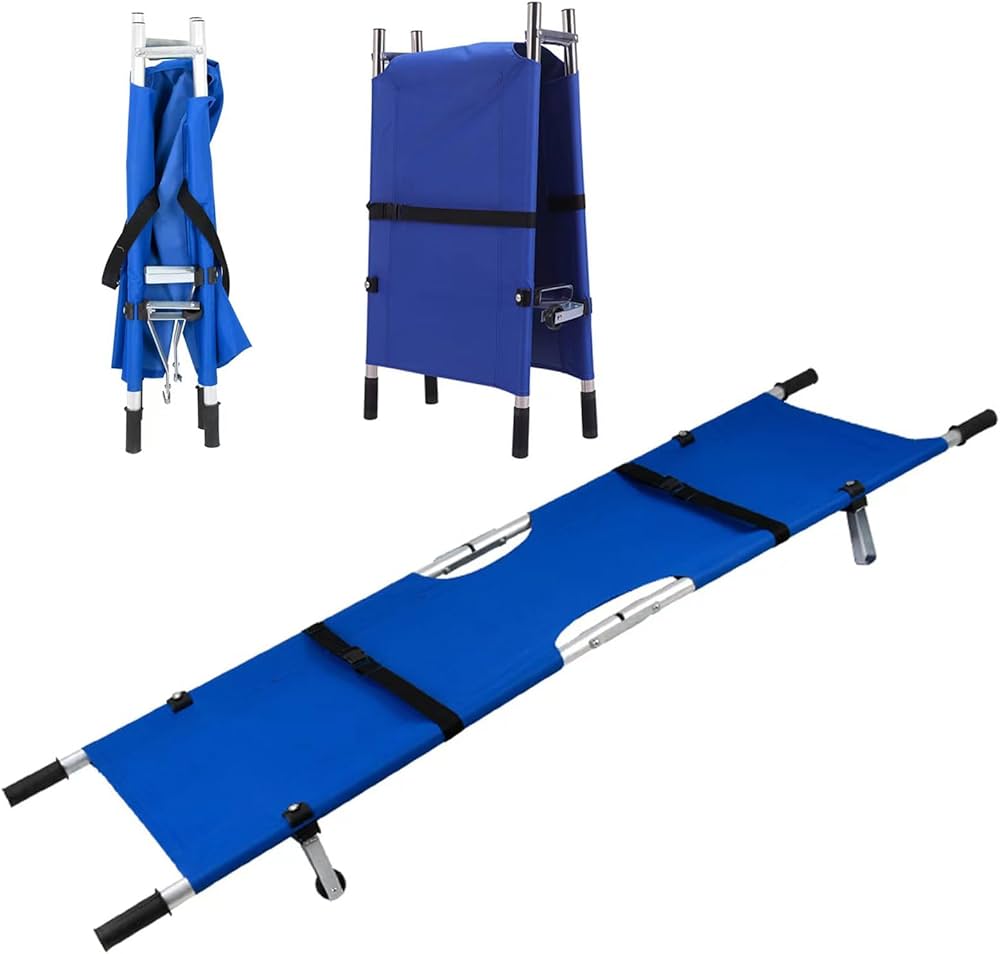
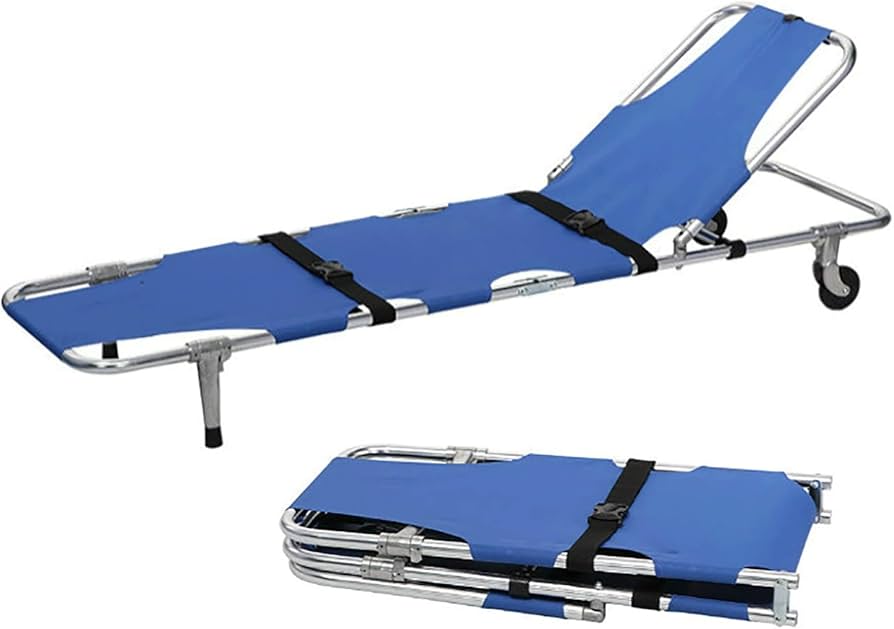
A foldable stretcher is a portable patient transport device designed with a collapsible frame, allowing it to be folded into a compact size for easy storage and transportation. Typically constructed from lightweight aluminum alloy and high-strength fabric, it balances durability with mobility.
The working principle is simple: the stretcher unfolds into a rigid structure when in use and folds back through a hinge or locking mechanism when not needed. This makes it extremely efficient in time-sensitive environments where rapid deployment is critical.
Foldable stretchers are widely used in ambulances, disaster relief operations, military rescue missions, and remote medical services. Their portability allows emergency responders to carry them across difficult terrains where wheeled stretchers cannot operate.
From a B2B perspective, foldable stretchers are high-demand products for government tenders, NGOs, and emergency service suppliers due to their versatility and cost-effectiveness.
What is a fixed stretcher and why is it used in hospitals?
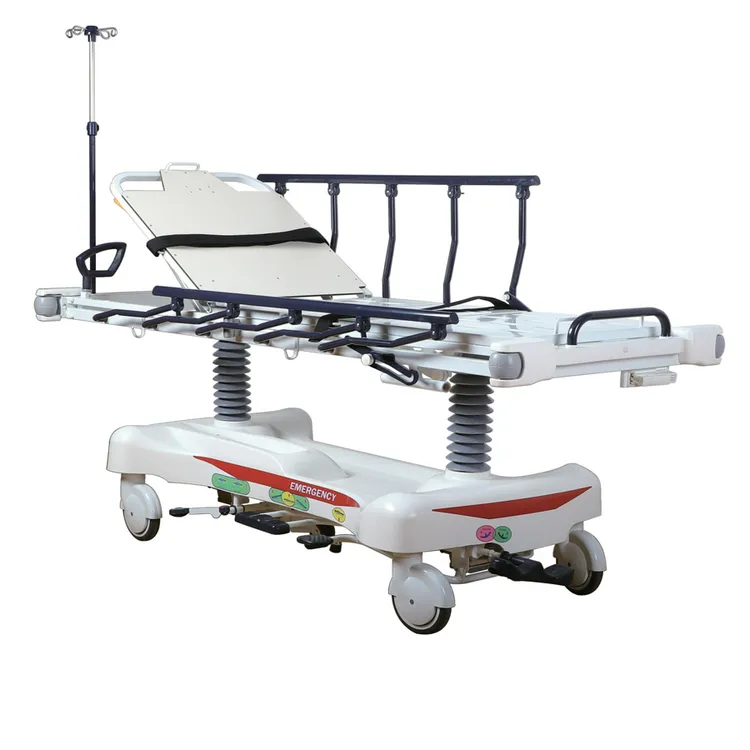
A fixed stretcher, often referred to as a hospital stretcher trolley, is a non-foldable, rigid patient transport system designed for continuous use in healthcare facilities. Unlike foldable models, fixed stretchers are engineered for strength, stability, and functionality.
These stretchers usually include features such as adjustable backrests, hydraulic or electric height adjustment, side rails for patient safety, and high-quality caster wheels for smooth movement within hospital corridors.
Hospitals rely on fixed stretchers because they support frequent patient transfers between departments such as emergency rooms, operating theaters, and wards. Their robust construction ensures long-term durability even under heavy daily use.
For distributors targeting hospitals and clinics, fixed stretchers represent a premium product category with higher margins and long-term demand.
What are the main differences between foldable and fixed stretchers?
Understanding the differences between foldable and fixed stretchers is essential for making the right purchasing decision. These differences can be evaluated across several key factors:
Portability
Foldable stretchers are lightweight and easy to carry, making them ideal for outdoor and emergency use. Fixed stretchers are heavier and designed for indoor transport.
Durability
Fixed stretchers are built with stronger frames and are suitable for long-term, high-frequency use. Foldable stretchers prioritize convenience and may have lower load capacity.
Functionality
Fixed stretchers often include advanced features such as adjustable height, reclining backrests, and safety side rails. Foldable stretchers typically offer basic functionality.
Storage Efficiency
Foldable stretchers can be compactly stored, saving space in vehicles and storage rooms. Fixed stretchers require dedicated floor space.
Cost Consideration
Foldable stretchers are generally more affordable upfront, while fixed stretchers involve higher initial investment but offer better long-term value.
For B2B buyers, balancing these factors is key to aligning products with target market needs.
Which stretcher is better for emergency and rescue operations?
Foldable stretchers are clearly the better choice for emergency and rescue operations.
In high-pressure situations such as natural disasters, accidents, or battlefield evacuations, responders need equipment that can be deployed quickly and transported easily. Foldable stretchers meet these requirements by offering lightweight construction and rapid setup.
They can be carried by two or more rescuers across uneven terrain, through narrow passages, or into areas where wheeled stretchers cannot function effectively.
Additionally, their compact storage makes them ideal for ambulances and emergency vehicles where space is limited.
For suppliers serving emergency services, foldable stretchers are an essential product category with consistent demand.
Which stretcher is more suitable for hospitals and long-term care?
Fixed stretchers are more suitable for hospitals, clinics, and long-term care facilities due to their durability and advanced functionality.
Healthcare environments require equipment that can handle continuous patient transport while maintaining safety and comfort. Fixed stretchers provide stable support, smooth mobility with caster systems, and enhanced safety through side rails and locking mechanisms.
Features like adjustable height and backrest improve caregiver ergonomics and patient positioning, which is especially important in intensive care units and surgical departments.
For B2B buyers supplying institutional clients, fixed stretchers offer higher reliability and better return on investment over time.
How should B2B buyers choose between foldable and fixed stretchers?
Choosing the right stretcher depends on understanding your target market, application scenarios, and procurement strategy.
Choose foldable stretchers if your customers:
- Require portable solutions for emergency response or outdoor rescue
- Operate in environments with limited storage space
- Need cost-effective products for bulk purchasing
Choose fixed stretchers if your customers:
- Are hospitals, clinics, or long-term care facilities
- Require durable equipment for daily, high-frequency use
- Value advanced features and patient comfort
In addition to product type, buyers should evaluate suppliers based on manufacturing capabilities, material quality, certifications, and customization options.
As a professional manufacturer, Jcare provides both foldable and fixed stretcher solutions with factory-direct pricing, reliable supply, and OEM/ODM services—helping global distributors stay competitive in diverse markets.
Conclusion
Foldable and fixed stretchers each serve distinct but equally important roles in medical transportation. Foldable stretchers excel in portability, rapid deployment, and space efficiency, making them ideal for emergency and field use. In contrast, fixed stretchers offer superior stability, durability, and advanced features required for hospitals and long-term care facilities.
For B2B buyers, the key is not determining which is universally better, but which is better for your specific market and application. A well-informed choice ensures operational efficiency, patient safety, and long-term cost savings.
If you are sourcing stretchers for your business, feel free to share your requirements or ask questions. Your insights and discussions are always welcome—let’s explore the best solution together.