
Hospital beds are designed to provide comfort, safety, and support for patients who spend extended time in bed. One of the most important features of modern hospital beds is the ability to adjust the backrest and leg rest sections. These functions help patients change positions easily, improve circulation, and assist caregivers during daily care.
Backrest and leg rest adjustment functions allow hospital beds to raise the upper body or legs of a patient. These adjustments improve comfort, support medical treatment, assist feeding and breathing, and help prevent complications caused by long-term bed rest.
Understanding how these functions work helps healthcare providers and caregivers use hospital beds more effectively.
What Is Backrest Adjustment?
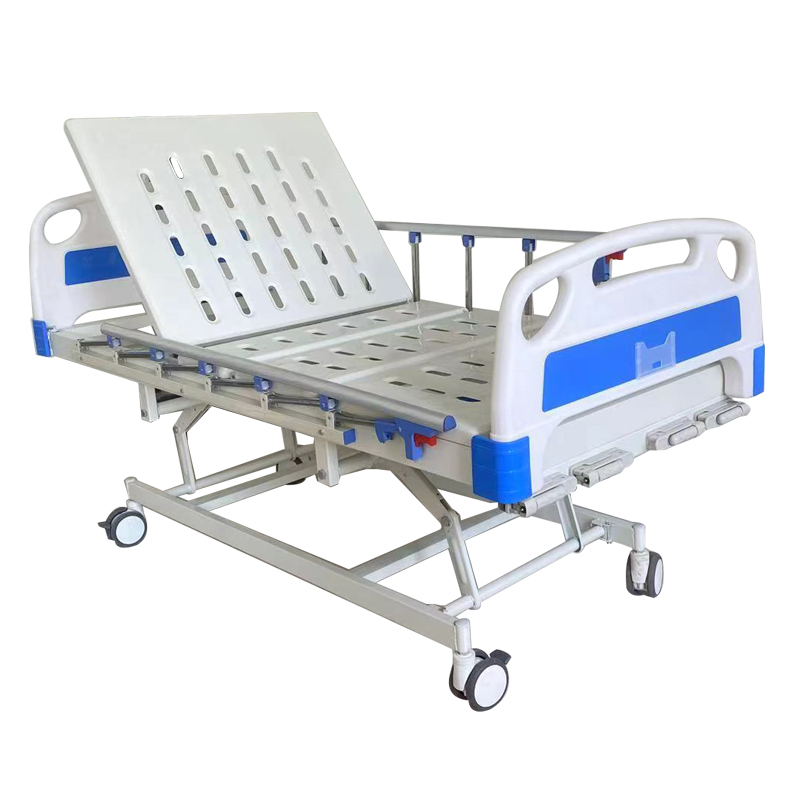
Backrest adjustment allows the upper section of the hospital bed to be raised, supporting the patient’s back and head.
This function enables patients to move from a flat position to a seated or semi-seated position.
Typical backrest adjustment angles range from 0° to 70° or 75°, depending on the bed model.
Common uses include:
- Eating meals
- Reading or watching television
- Improving breathing for respiratory patients
- Communicating with caregivers
Raising the backrest also helps reduce pressure on the lungs and chest.
What Is Leg Rest Adjustment?
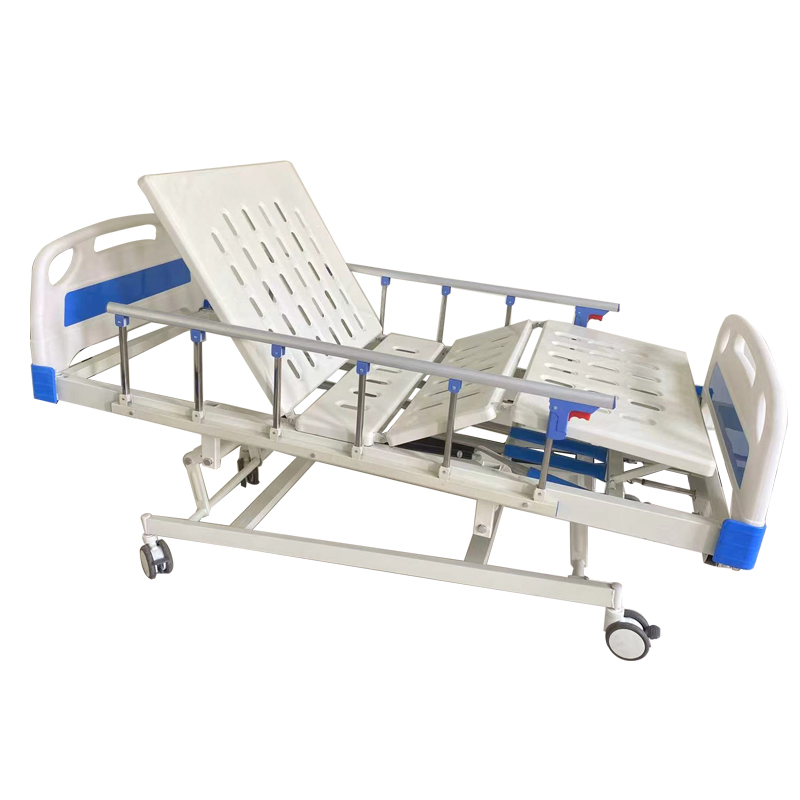
Leg rest adjustment allows the lower section of the bed to elevate the patient’s legs.
This function helps support the knees and lower limbs while improving blood circulation.
Typical leg rest adjustment angles range from 0° to 30° or 40°.
Leg elevation is beneficial for:
- Reducing swelling in the legs
- Improving circulation
- Supporting patients with cardiovascular conditions
- Providing comfort during long periods of rest
Elevating the legs also helps reduce pressure on the lower back.
Benefits of Combined Backrest and Leg Rest Adjustment
When both sections are adjusted together, hospital beds can create more comfortable and medically beneficial positions.
Common combined positions include:
Fowler’s Position
The backrest is raised while the legs remain slightly elevated. This position is often used for eating, breathing support, and general comfort.
Semi-Fowler’s Position
A moderate backrest elevation that supports patients who require respiratory assistance.
Comfort Sitting Position
Both the backrest and leg rest are elevated to simulate a seated posture while keeping the patient safely in bed.
These positions improve patient comfort and reduce strain during daily activities.
Manual vs Electric Adjustment Systems
Hospital beds may use manual or electric mechanisms to adjust the backrest and leg rest.
Manual Hospital Beds
Manual beds use crank handles to control the bed sections. They are reliable and cost-effective for basic care environments.
Electric Hospital Beds
Electric beds use motors and remote controls, allowing patients or caregivers to adjust positions with minimal effort.
Electric adjustment provides smoother movement and greater convenience.
Importance for Patient Care
Backrest and leg rest adjustments are not only about comfort but also about medical support.
These functions help:
- Reduce the risk of pressure ulcers
- Improve blood circulation
- Support respiratory function
- Assist feeding and daily activities
- Make caregiving easier
Proper use of these adjustments significantly improves the quality of patient care.
Conclusion
Backrest and leg rest adjustment functions are essential features of modern hospital beds. By allowing patients to change positions easily, these adjustments improve comfort, support medical treatment, and reduce the risks associated with long-term bed rest. Whether in hospitals, nursing homes, or home care environments, properly using these functions helps enhance both patient well-being and caregiver efficiency.