
When purchasing medical stretchers, buyers must evaluate safety, durability, usability, and clinical requirements. Choosing the right stretcher improves patient transport efficiency and protects both patients and healthcare staff.
When purchasing a medical stretcher, key factors include weight capacity, patient safety features, maneuverability, adjustability, durability, and compatibility with hospital equipment. These factors ensure safe patient transport and long-term reliability in medical environments.
Understanding the following considerations can help hospitals, distributors, and medical equipment buyers make better procurement decisions.
Intended Use and Application
The first step is determining how the stretcher will be used.
Different departments require different stretcher types, such as:
- Patient transport stretchers
- Emergency room stretchers
- Surgical or procedure stretchers
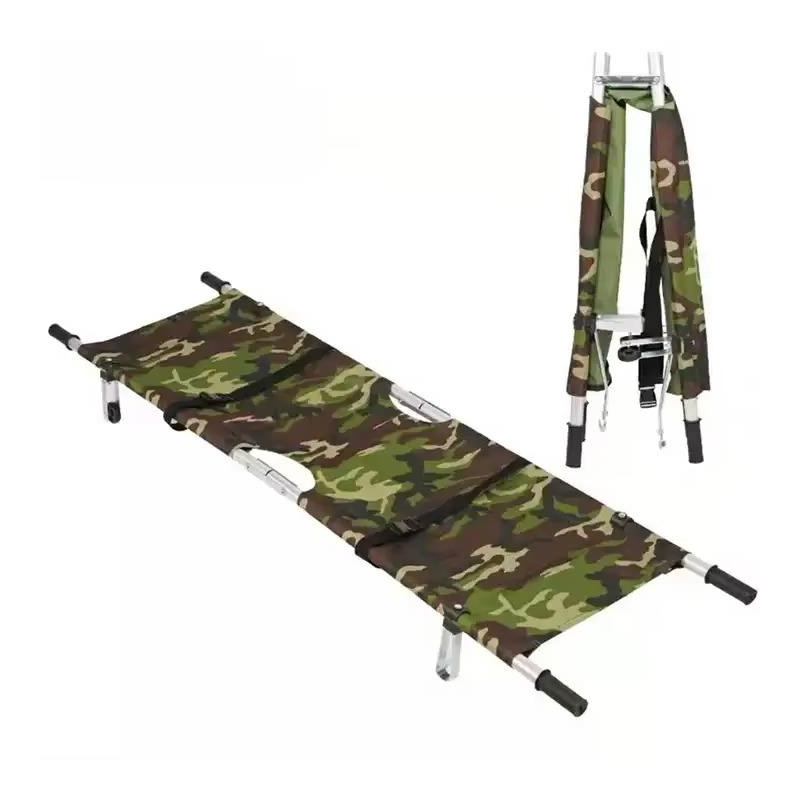
- Ambulance stretchers
Selecting a stretcher designed for the specific clinical environment ensures better efficiency and patient care.
Weight Capacity
Weight capacity is one of the most critical safety factors.
Most modern medical stretchers support approximately 500–750 pounds, while bariatric stretchers can support even higher loads.
Choosing a stretcher with sufficient load capacity:
- Ensures patient safety
- Prevents equipment failure
- Extends product lifespan
Hospitals should select a model that exceeds their expected patient weight range.
Patient Safety and Comfort
Patient safety features are essential during transport.
Important safety components include:
- Side safety rails
- Locking wheel systems
- Secure patient straps
- Comfortable mattress or padding
Adequate cushioning and support help prevent pressure injuries and improve patient comfort during transport.
Maneuverability and Wheel System
A stretcher must move smoothly through corridors, elevators, and tight spaces.
Key mobility features include:
- Large medical-grade casters
- Central locking brake system
- Steering or fifth-wheel system
- Smooth rolling wheels
Good maneuverability reduces caregiver effort and improves workflow efficiency.
Adjustability and Ergonomic Design
Modern medical stretchers often include adjustable features such as:
- Adjustable height
- Adjustable backrest
- Trendelenburg or reverse Trendelenburg positions
Height adjustment allows caregivers to work comfortably and helps reduce physical strain during patient transfer.
Frame Material and Durability
Medical stretchers are used frequently in demanding environments, so durability is important.
Common frame materials include:
- Stainless steel
- Aluminum alloy
- Reinforced steel
High-quality materials ensure long-term durability and resistance to corrosion while remaining easy to clean.
Accessories and Compatibility
Additional accessories can significantly improve functionality.
Common stretcher accessories include:
- IV pole holders
- Oxygen cylinder brackets
- Storage trays
- Foldable push handles
Compatibility with existing hospital equipment and accessories improves operational efficiency.
Ease of Cleaning and Maintenance
Medical equipment must meet strict hygiene standards.
Look for stretchers with:
- Smooth surfaces
- Non-porous mattress covers
- Easy-to-disassemble components
These features simplify disinfection and reduce infection risks in clinical environments.
Budget and Supplier Reliability
While price is important, hospitals should prioritize quality and long-term value.
Consider:
- Product certifications and compliance standards
- Warranty and after-sales support
- Manufacturer reputation
- Availability of spare parts
Reliable suppliers help ensure consistent product quality and service support.
Conclusion
Purchasing a medical stretcher requires careful evaluation of safety, durability, mobility, and clinical functionality. Key considerations include weight capacity, patient comfort, maneuverability, adjustability, and compatibility with hospital equipment. By assessing these factors, healthcare facilities and distributors can select stretchers that improve patient transport safety, enhance caregiver efficiency, and deliver long-term reliability.