
Hospital beds are used continuously in hospitals, nursing homes, and home care environments, yet maintenance is often overlooked. Poor maintenance can lead to equipment failure, hygiene risks, and safety hazards for patients and caregivers. Regular inspection and preventive care are essential to ensure reliable performance. This article explains practical maintenance methods that help extend hospital bed lifespan and maintain a safe healthcare environment.
Proper hospital bed maintenance includes regular cleaning and disinfection, inspection of mechanical parts, maintenance of electrical systems, checking casters and brakes, and following manufacturer service guidelines. These practices help extend equipment lifespan, improve patient safety, reduce repair costs, and ensure stable operation in healthcare facilities.
Proper maintenance ensures hospital beds remain safe, hygienic, and reliable in daily use.
People Also Ask
Why is hospital bed maintenance important?
Hospital beds are essential medical equipment used for patient care, recovery, and mobility support. Because they are frequently adjusted and moved, their components experience continuous wear.
Without proper maintenance, mechanical issues such as loose side rails, unstable frames, or malfunctioning adjustment systems may occur. These problems increase the risk of patient falls and may create challenges for caregivers.
Routine maintenance improves patient safety, reduces equipment failure, and extends the lifespan of hospital beds. It also helps hospitals comply with safety standards and equipment management regulations
How often should hospital beds be cleaned and disinfected?
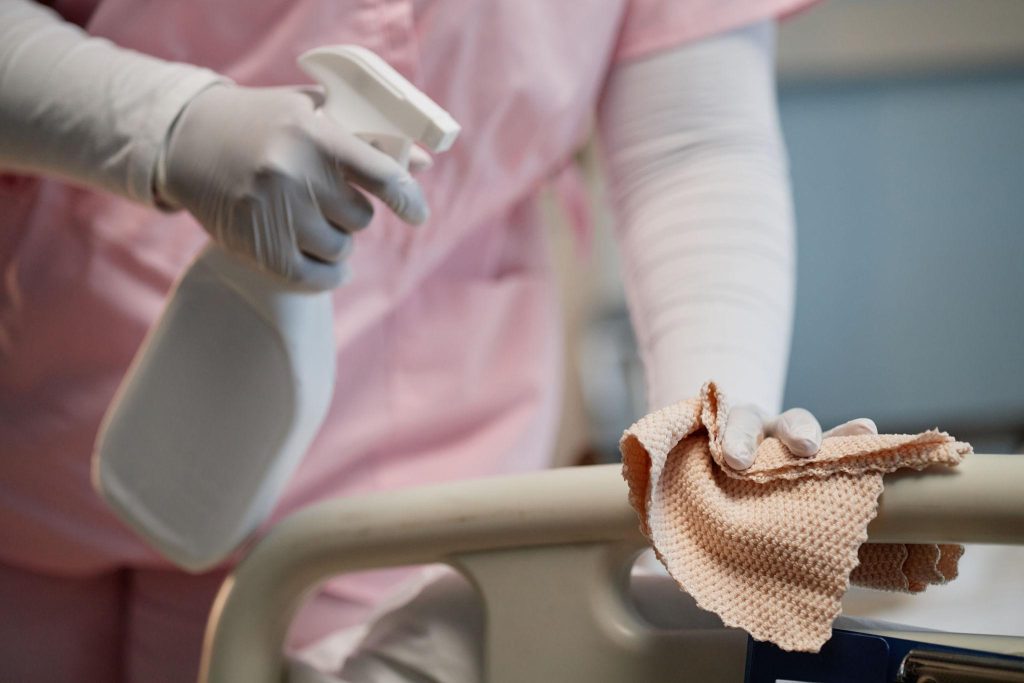
Cleaning and disinfection are critical because hospital beds come into contact with multiple patients and caregivers. High-touch areas such as bed panels, side rails, and control panels should be cleaned regularly.
Medical-grade, non-corrosive disinfectants are recommended to prevent damage to bed materials. Excessive moisture should be avoided near motors or electrical components, and all surfaces should be dried after cleaning.
Regular cleaning helps prevent bacterial growth and supports infection control within healthcare environments.
What mechanical components should be inspected?
Mechanical inspection helps ensure the hospital bed remains stable and functional. The bed frame should be checked for structural stability, including weld joints and support sections.
Fasteners such as screws and bolts should be tightened if they become loose. Side rail locking systems should also be tested to ensure they function properly.
Manual adjustment systems, including crank handles, hinges, and positioning mechanisms, should move smoothly without resistance. Replacing worn parts promptly prevents safety risks.
How should electric hospital beds be maintained?
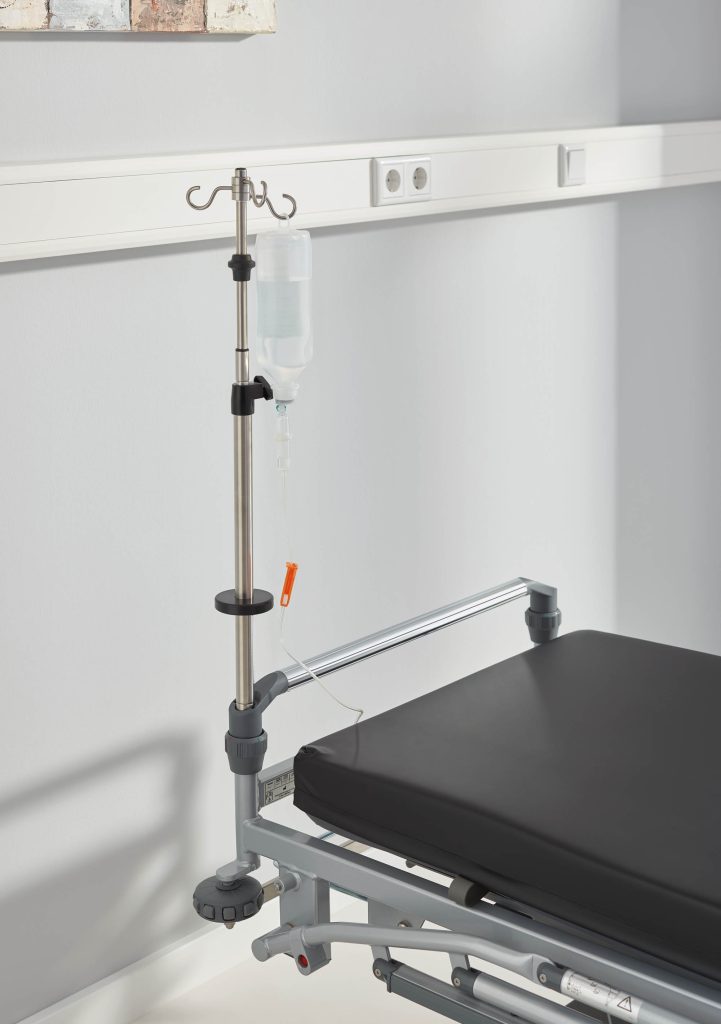
Electric hospital beds rely on motors, wiring systems, and remote controllers to adjust bed positions. These components should be inspected regularly to ensure reliable performance.
Power cables should remain intact and properly connected. Adjustment functions such as height elevation, backrest movement, and legrest positioning should be tested periodically.
Before performing maintenance, the power supply should be disconnected to prevent electrical hazards. Beds should also not exceed their maximum weight capacity to protect motor systems.
Why are casters and brakes important?
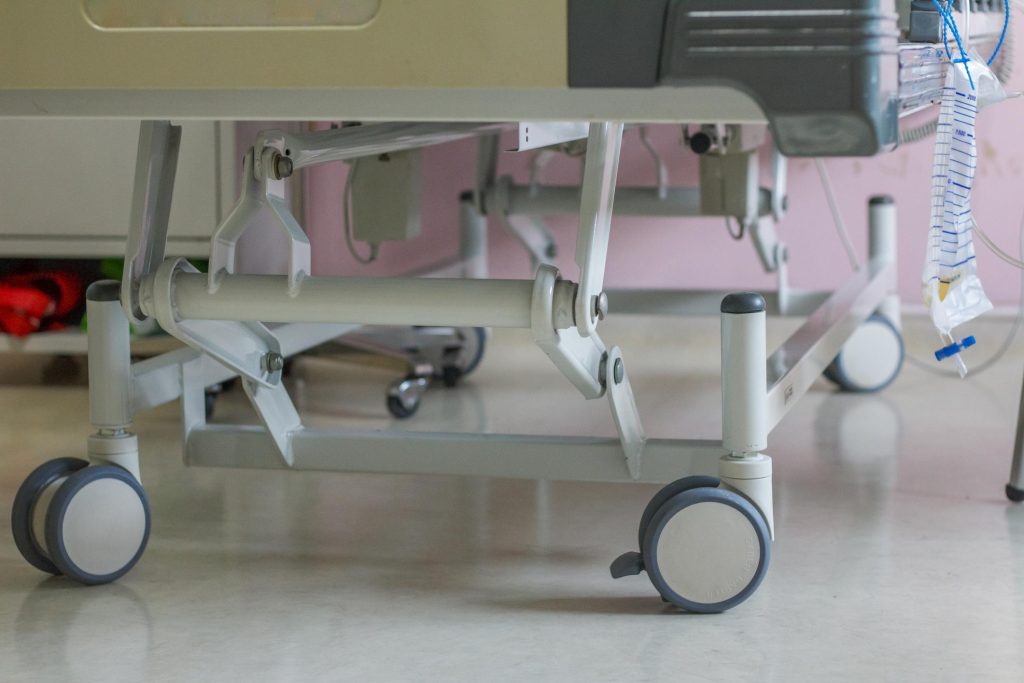
Caster wheels allow hospital beds to move smoothly during patient transport. However, they must also provide stability when the bed is stationary.
Routine inspection should confirm that wheels rotate smoothly and that the braking system locks securely. Dust, hair, or debris should be removed from wheels to maintain proper movement.
A reliable braking system prevents accidental bed movement during patient transfer and medical procedures.
How should mattresses and accessories be maintained?
Mattresses and accessories also require regular inspection. Mattresses should be protected with waterproof covers to prevent liquid penetration and contamination.
Accessories such as IV poles, overbed tables, and bedside equipment should remain stable and securely installed.
Maintaining these components improves patient comfort and ensures the entire hospital bed system functions safely.
Conclusion
Regular hospital bed maintenance is essential for ensuring patient safety and extending equipment lifespan. Cleaning, mechanical inspection, electrical system checks, and caster maintenance help prevent equipment failure and improve operational efficiency.
Healthcare facilities that implement preventive maintenance programs can reduce repair costs and provide a safer environment for patients and caregivers.