
In hospitals, nursing homes, rehabilitation centers, and home care settings, hospital beds are essential for patient care. Selecting the right type of bed is critical for both patient comfort and caregiver efficiency. The two main types of hospital beds are manual medical beds and electric medical beds. Many buyers, distributors, and healthcare institutions often face questions such as: Which bed is more suitable? How do prices differ? What are the long-term costs? This guide will provide a clear comparison to help you make an informed purchasing decision.
What Is a Manual Medical Bed
A manual medical bed is adjusted through hand cranks, allowing caregivers to change the position of the backrest, legrest, and sometimes the overall bed height. Common types include 2-crank and 3-crank manual hospital beds.
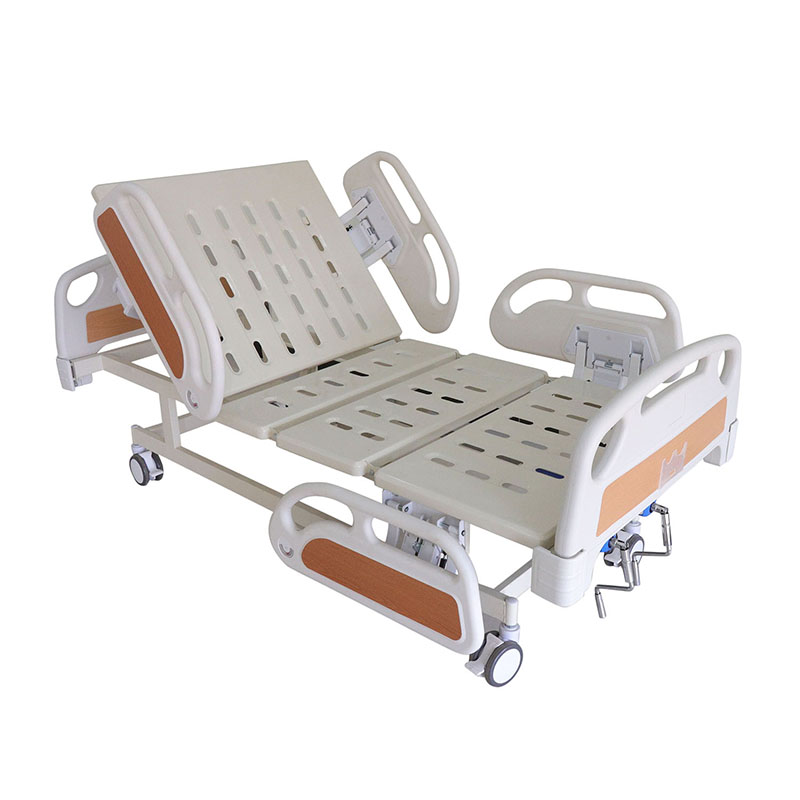
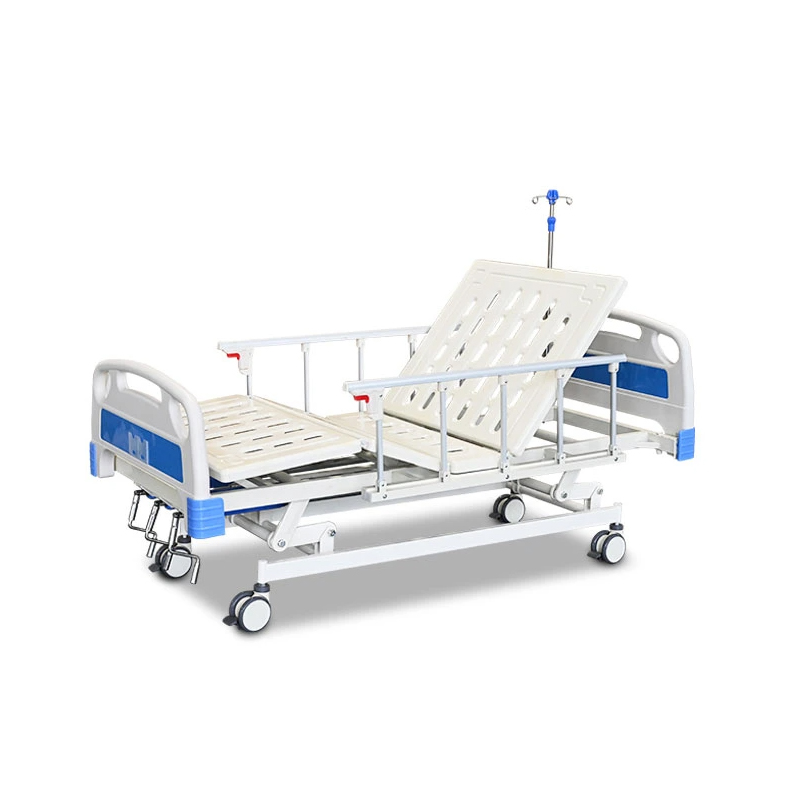
Key Features of Manual Medical Beds
Manual beds are mechanically operated and do not require electricity. Their design is simple, stable, and durable, which ensures low maintenance and a long service life. Other benefits include:
- Low initial purchase cost, ideal for large-volume procurement.
- Reliability and minimal failure risk.
- Simple structure, making them suitable for basic care needs.
Common Applications
Electric hospital beds are preferred in:
- Community hospitals and small clinics.
- Nursing homes and elderly care facilities.
- Public medical projects with limited budgets.
- Areas where electricity may be unreliable.
For more details on models, see our manual medical beds product page.
What Is an Electric Medical Bed
Electric hospital beds are equipped with motors and control systems that allow one-touch adjustment of bed positions. Common configurations include 2-function, 3-function, and multi-function electric beds. Some advanced models also provide overall height adjustment, lateral turning, and standing support functions.
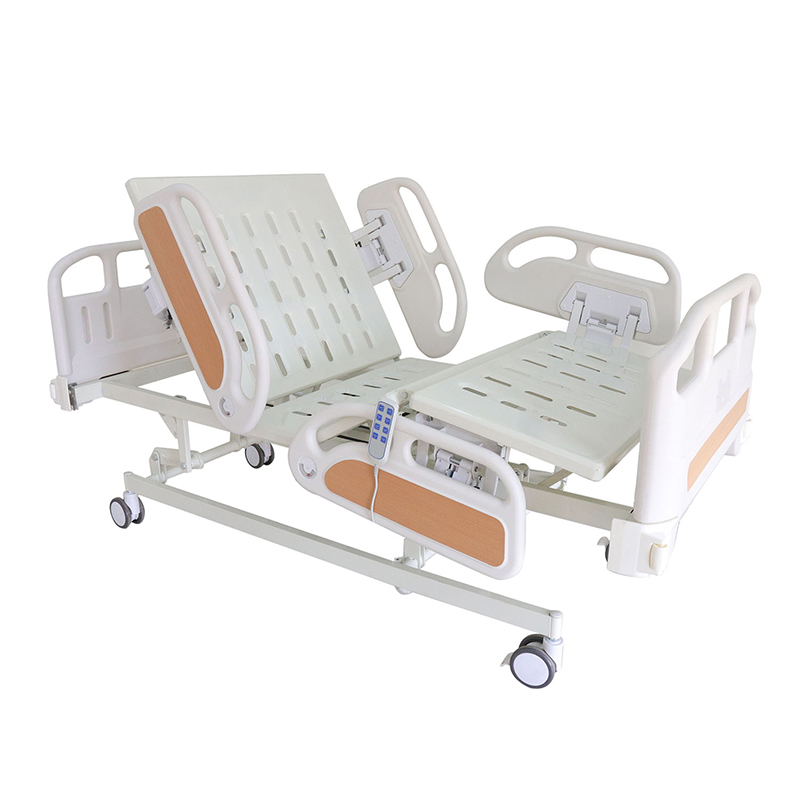
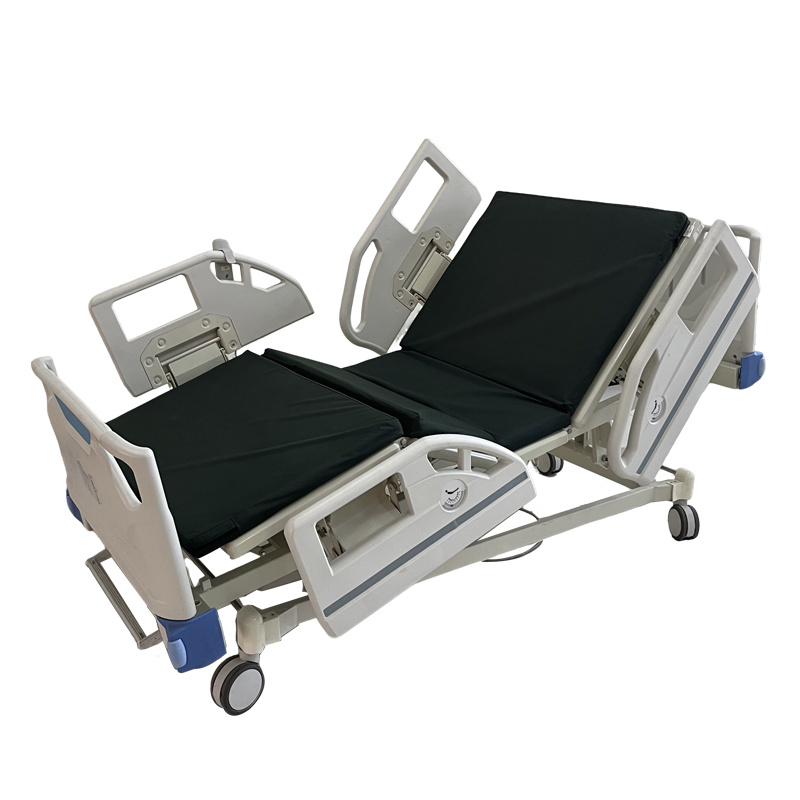
Key Features of Electric Medical Beds
- Motor-driven operation, reducing physical labor for caregivers.
- Enhanced patient comfort and care efficiency.
- Multiple adjustable functions for backrest, legrest, and overall height.
- Ability to integrate accessories such as IV poles, overbed tables, and bedpans.
Common Applications
Electric hospital beds are preferred in:
- General and private hospitals.
- Rehabilitation centers and long-term care facilities.
- Patients with limited mobility or chronic illness.
- Facilities requiring high nursing efficiency and patient comfort.
Explore our electric medical beds collection for available models and configurations.
Manual vs Electric Medical Beds: Key Differences
Understanding the differences between manual and electric beds helps buyers select the right option for their budget, care environment, and patient needs.
| Feature | Manual Medical Bed | Electric Medical Bed |
|---|---|---|
| Operation | Hand-crank adjustment | Motor-driven, one-touch control |
| Ease of Use | Requires physical effort | Easy and fast adjustment |
| Nursing Labor | Higher | Lower |
| Functionality | Basic | Expandable and multi-functional |
| Maintenance | Low | Higher due to electronics |
| Initial Cost | Lower | Higher |
| Patient Comfort | Standard | Higher comfort and support |
Manual beds are ideal for basic care, short-term use, or budget-sensitive projects. Electric beds provide advanced functionality, comfort, and efficiency for long-term care or high-end facilities.
How to Choose the Right Medical Bed
When selecting a hospital bed, consider these factors:
1. Usage Scenario
- Short-term or basic care: Manual beds are cost-effective.
- Long-term care or rehabilitation: Electric beds improve comfort and efficiency.
2. Budget and Procurement Scale
- Large-volume public projects: Manual beds help control costs.
- Private hospitals or high-end wards: Electric beds are more competitive.
3. Caregiver Availability
- Limited staff: Electric beds reduce labor intensity.
- Sufficient caregivers: Manual beds may suffice for basic operations.
4. Market and Certification Requirements
- Ensure beds meet relevant standards such as CE, ISO, or IEC.
- Electric beds may face stricter electrical safety regulations depending on the country.
For a full range of options, see our hospital beds and home care beds categories.
Cost Considerations: Manual vs Electric
Initial Purchase Cost
Manual beds are generally more affordable upfront, while electric beds involve higher initial investment due to motor systems and electronics.
Maintenance and Spare Parts
Manual beds require minimal maintenance. Electric beds may need periodic checks for motors, controllers, and wiring. Verify if spare parts and warranty are included.
Long-Term Value
Electric beds improve patient comfort and care efficiency, potentially reducing staffing needs and improving patient satisfaction, which can justify higher initial costs over time.
Manufacturer Perspective: Beyond Bed Selection
Choosing the right manufacturer is as important as selecting the bed type. Key considerations include:
- Production qualifications and quality management systems.
- Material selection, welding, and coating processes.
- Stability of motors and control systems for electric beds.
- OEM / ODM customization capabilities for specific markets.
- Export packaging and logistics support for safe international delivery.
Check our OEM & ODM medical bed solutions to learn how we customize beds to your target market.
Conclusion
Both manual and electric hospital beds have unique advantages. There is no one-size-fits-all solution. The right choice depends on the intended application, budget, and care requirements.
A reliable manufacturer ensures high-quality materials, stable performance, and compliance with international standards. Whether you are planning large-scale procurement or sourcing beds for high-end care facilities, understanding the differences between manual and electric beds will help you make the best decision.
For professional recommendations, OEM/ODM customization, and pricing inquiries, contact us today to get expert guidance and tailored medical bed solutions.